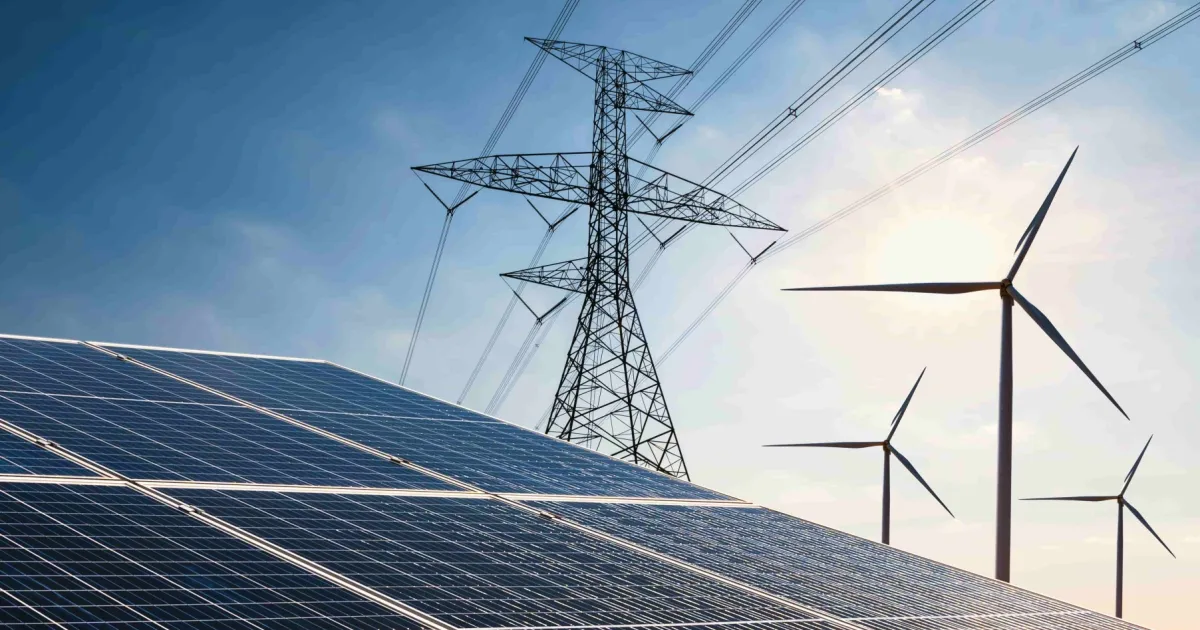
Thailand faces grid challenges as renewable power expands
The 2026 power development plan projects rising electricity demand as investment in digital industries and technology businesses grows.
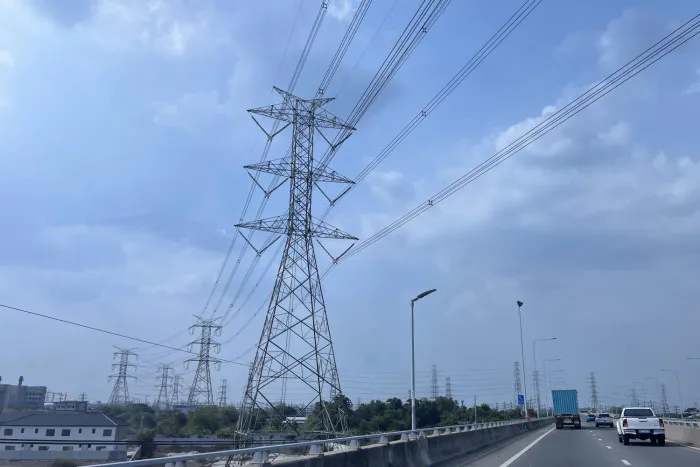
Thailand risks undermining electricity reliability if renewable generation grows without matching upgrades to its power infrastructure, an Electricity Generating Authority of Thailand (Egat) official has warned.
Jakree Sirimaneewattana, Egat’s assistant governor for corporate strategy, said grid operators would face unprecedented technical difficulties as renewable output and electricity demand increase together. Solar and wind generation varies with the weather, unlike the adjustable fossil fuel generation on which Thailand’s network has traditionally depended.
The country’s 2026 power development plan forecasts a sharp increase in demand, driven by investment in digital industries and technology-related businesses. It also backs trials of direct power purchase agreements under which producers can supply clean electricity to businesses. Thailand does not permit peer-to-peer renewable electricity trading.
Analysts highlighted three areas requiring urgent coordination between public authorities, utilities and private businesses: sharing generation data, responding to digital-economy growth and managing electricity flowing both into and out of households.
As more homes install solar systems that can feed electricity into the network, market participants will need to share real-time output data to support forecasting and grid stability. Officials said smart grids and advanced battery storage would be critical to controlling voltage and keeping the system reliable as two-way electricity flows expand.