Infrastructure shortfalls hamper Singapore energy projects, survey finds
Some 67% of Singapore energy-sector leaders reported infrastructure obstacles, the highest share across the five markets surveyed by Jacobs.
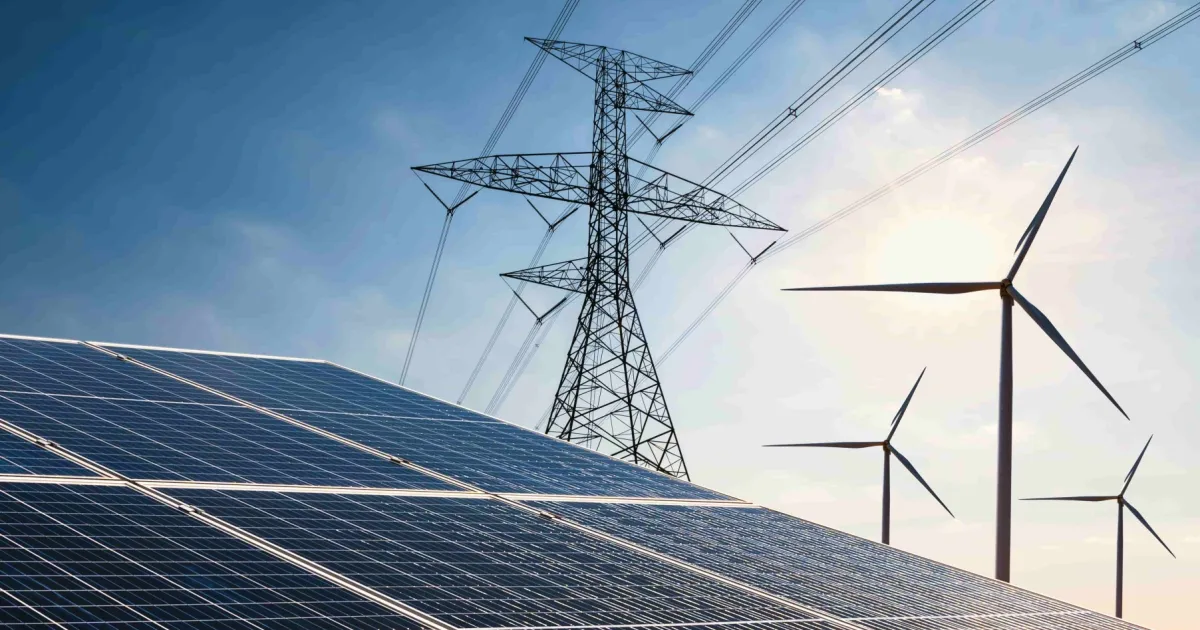
Supporting infrastructure was an obstacle to delivering energy projects for 67% of Singapore energy-sector leaders in a Jacobs survey. Yet 96% were confident that essential assets at their organisations would keep running if a major disruption occurred.
The research covered 600 senior decision-makers from the energy sector in Singapore, Australia, Germany, the UK and the US. Among Singapore respondents, approximately 51% described infrastructure readiness as a major constraint, with another 16% rating it critical. This included water services, transport links and telecommunications.
Other obstacles included uncertainty over policy and regulation, permitting issues, network preparedness and supply-chain capacity. About 68% cited geopolitical disruption as a threat to operations, making it the survey’s most frequently identified risk. Confidence in continued operations was qualified: 35% were very confident, compared with 61% who were somewhat confident.
Singapore generates 95% of its electricity from imported natural gas. Jacobs said solar could cover only 10% of the electricity demand projected for 2050. It warned that relying more heavily on regional electricity imports could expose Singapore to risks concerning cross-border rules, infrastructure ownership, operational arrangements and geopolitics.
For the next one to two years, Jacobs recommended regularly testing whether gas stocks, standby LNG and alternative-fuel reserves could withstand shipping disruption or simultaneous supply outages. It also proposed widening demand-response programmes to reward consumers for cutting electricity use when the system faces strain.