Hai Phong targets higher barge volumes to ease road traffic
Waterways handle about 5.6% of containers passing through the city's seaport area, while infrastructure constraints limit barge operations.
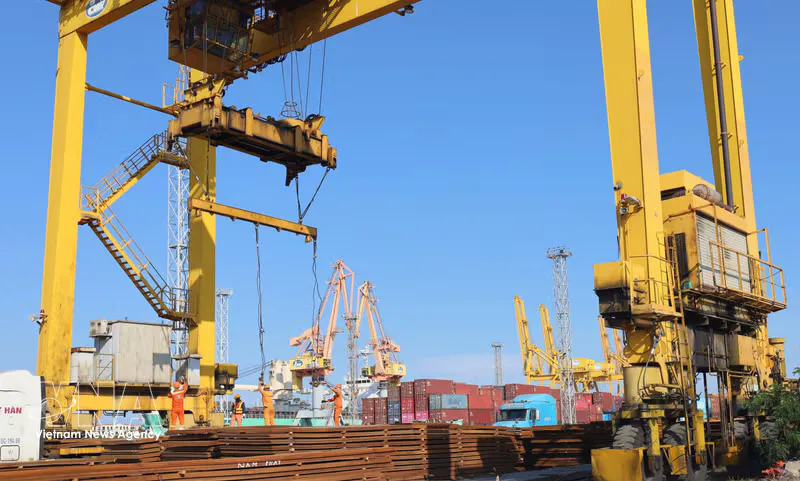
Hai Phong and nearby localities in Vietnam aim to expand barge-carried cargo and container volumes by 8% in 2027, followed by 10% in 2028, 15% in 2029 and 20% in 2030. The targets are intended to reduce pressure on roads.
The Hai Phong Maritime Administration puts waterways' share of container throughput at the city's seaports at only about 5.6%. Trucks carry most containers, adding to traffic congestion and logistics expenses. Waterborne freight faces restrictions from shallow channels, low bridges and inadequate navigation aids.
Do Van Tan, Deputy Director of Tan Cang Waterway Transport JSC under the Saigon Newport Corporation, said disconnected infrastructure investment and insufficient bridge clearance were holding back container barges. He urged authorities to combine infrastructure improvements with regulatory changes and digitalisation.
His proposed priorities include dredging and maintaining important channels, increasing clearance beneath bridges on connections between Hai Phong's ports and industrial parks in the north, and building berths specifically for barges, notably at Lach Huyen.
Tan also sought incentives to encourage container shipments by water and cuts to handling and delivery surcharges at selected ports. He proposed investment support for cleaner vessels running on electricity or biofuels.
A HATECO Hai Phong International Container Terminal representative said more barge transport would allow better use of port capacity and help lower emissions, road congestion and logistics costs.