Philippines ends size restrictions for new power plants
The regulator says the change aims to encourage investment and broaden electricity supply options, while retaining grid connection checks.
Developers in the Philippines can now propose larger power-generating units after the Energy Regulatory Commission (ERC) abolished capacity ceilings. The regulator said the decision aims to encourage investment as the country’s electricity needs increase.
The change, set out in Resolution 34, Series of 2026, removes a per-unit ceiling of 600 megawatts for Luzon. The corresponding limit for both Mindanao and the Visayas was 150 MW.
According to the ERC, developers will have more scope to match projects to demand, technology and grid capabilities. The regulator also wants to strengthen competition, bring down consumer electricity costs and give utilities more choices for their long-term supply procurement.
The ERC expects the decision to lessen shortage risks, with the Visayas experiencing constrained electricity supplies since May. Its chairman and CEO, Francis Saturnino Juan, said the objective extended beyond bigger plants: additional generation should make the electricity system more reliable and efficient.
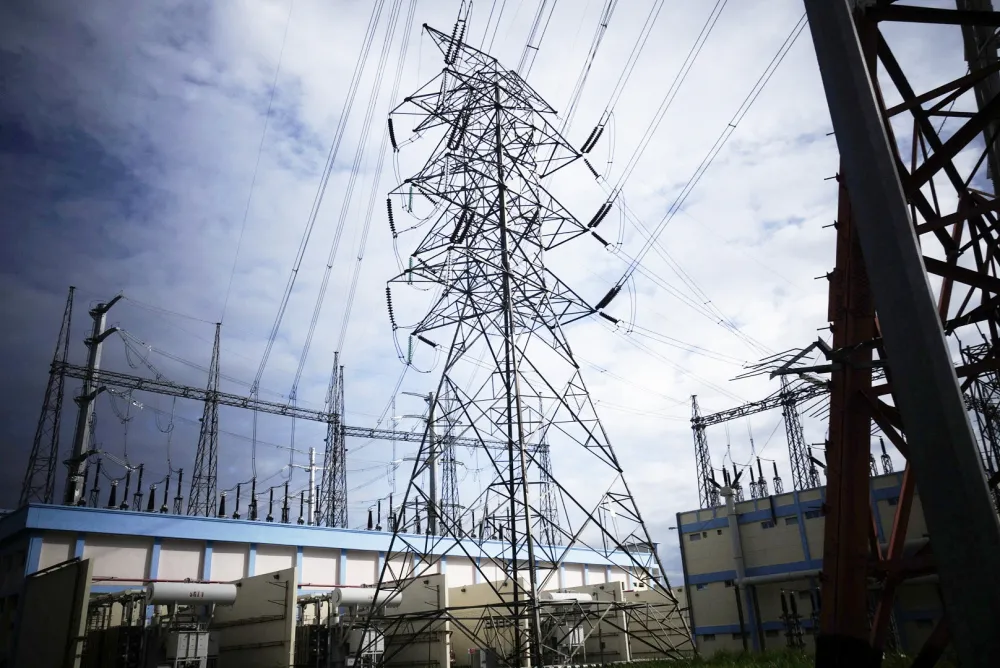
A system impact study remains mandatory for every proposed plant seeking a grid connection, working with the National Grid Corp. of the Philippines (NGCP). The assessment checks whether the network can handle the connection and what improvements are required, potentially involving substations, transformers or transmission lines. Juan said supply and cost benefits for consumers must not come at the expense of grid safety.