Ho Chi Minh City proposes phased downtown emissions curbs from 2028
The proposed low-emission zone would initially cover around 15.6 square kilometres, with wider restrictions and clean-energy requirements introduced in stages.
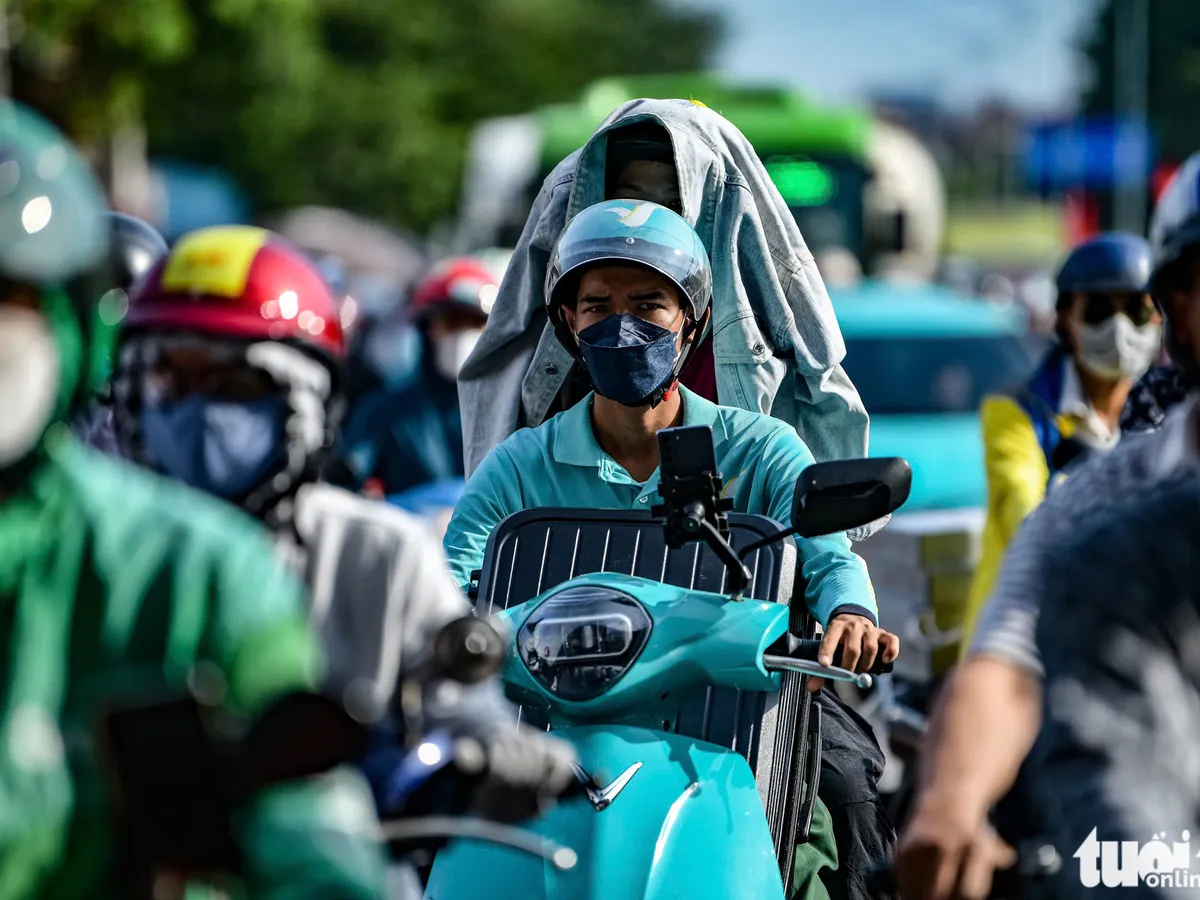
Ho Chi Minh City would begin limiting access for high-emission vehicles in its centre and Thu Thiem New Urban Area on January 1, 2028, under a draft green transport resolution. Public feedback is being sought before the proposal goes before the Ho Chi Minh City People's Council.
The initial low-emission zone would operate through the end of 2029. A proposed extension within Beltway No. 2 in 2030 would depend on infrastructure readiness and public transport coverage. The scheme would tighten restrictions progressively rather than immediately prohibit all petrol-powered vehicles.
For 2028–2029, Level 5 emissions standards would apply to taxis, contracted passenger vehicles seating fewer than nine people and trucks carrying one metric ton or less. Bigger contracted vehicles and passenger buses would require Level 4 compliance. Vietnam's five standards correspond to Euro 1 through Euro 5.
Private cars would require Level 5 compliance from 2032; private and non-commercial motorbikes would need Level 4. Some vehicles falling short of the standards could have access limited to the hours between 10 p.m. and 6 a.m.
In the zone and Binh Khanh, An Thoi Dong and Can Gio communes, petrol motorbikes would be prohibited from January 1, 2035. Vehicles there would have to use clean energy, with exceptions for certain specialised vehicles. Con Dao Special Zone and Thanh An Commune would introduce clean-energy requirements on January 1, 2028.
The commercial transport timetable would require clean-energy intra-city buses from 2027, followed by city-managed interprovincial buses in 2028. Taxis, motorbike ride-hailing and motorbike delivery services would make the transition by 2030.
Municipal funding is proposed through December 31, 2030, to help with vehicle purchases, registration taxes and licence plate fees. Priority beneficiaries would include island communities, disadvantaged households and ride-hailing drivers. Poor households in urban areas could get as much as ₫20 million towards each electric motorbike.