Thailand considers new local-parts rules for EV tax incentives
A possible third phase of EV support would link favourable excise rates to locally sourced parts, while higher import taxes are due from 2027.
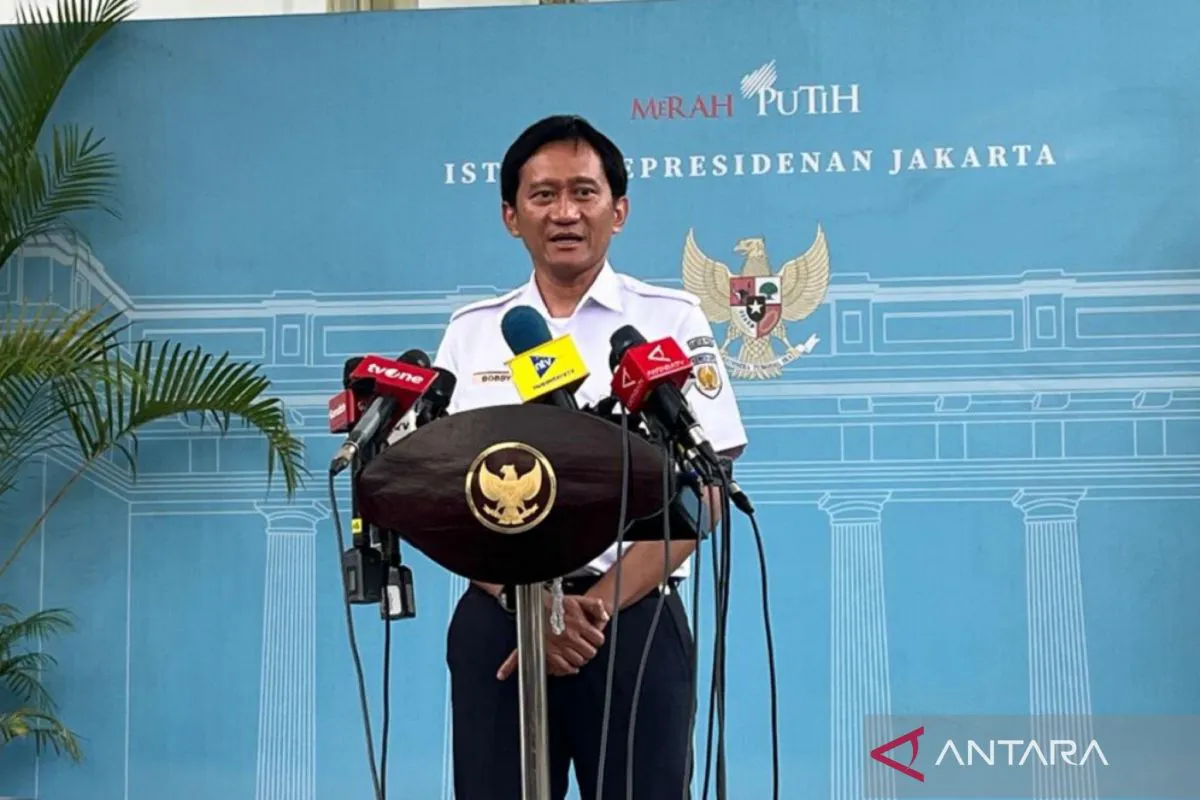
Thailand's Finance Ministry is weighing another round of electric vehicle incentives that would introduce local-parts requirements, finance permanent secretary Lavaron Sangsnit said. The proposed third phase would cover both existing automotive plants and new factories.
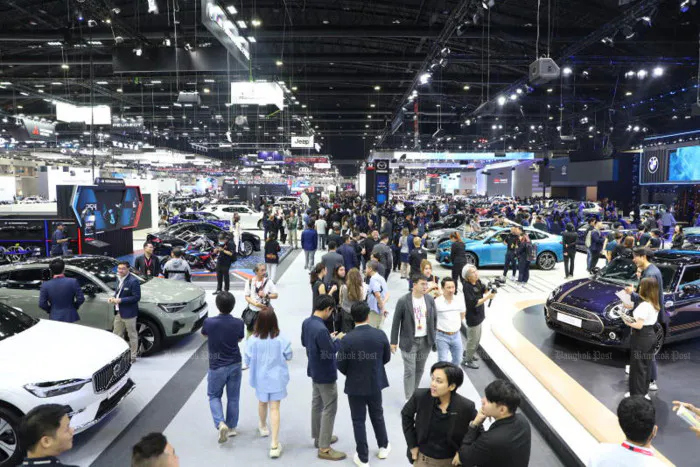
Lavaron said eight Chinese EV manufacturers had invested in Thai production facilities following the EV 3.0 and EV 3.5 programmes, which subsidised vehicle purchases. Discussions were under way for a ninth EV factory, with a 10th expected to follow.
The cabinet has approved raising excise tax on imported EVs to 35 per cent from 2027. Current rates are 10 per cent for battery EVs and 15 per cent for range-extended models.
Lavaron said the effective excise burden on completely built-up imports would reach 49 per cent because the calculation includes import duties and value-added tax. He said the increase was expected to encourage manufacturers to establish production in Thailand.
Under the proposed local-content rules, only auto parts sourced locally would qualify. The Customs Department currently uses World Trade Organization criteria that also count financial costs, including profits and spending on water and electricity.
Factories meeting the required local-content threshold or Made in Thailand criteria could retain the 10 per cent excise rate, Lavaron said. Non-compliant factories or those using no local parts would face 35 per cent, while plants using some local content but falling below the threshold could face rates of 15–20 per cent.
Separately, the ministry is pursuing a vehicle trade-in proposal. An unnamed ministry source said it would receive ฿6 billion under the ฿400 billion emergency loan decree, subject to further screening and cabinet approval.
Lavaron said the ministry was coordinating with Government Savings Bank on loans charging no more than 5 per cent annually and with dismantling facilities able to process up to 50,000 scrapped vehicles a year.