Thailand plans ฿100 billion energy transition spending
The plans include encouraging truck and pickup owners to adopt vehicles compatible with B20 or E20 fuels, alongside workforce training.
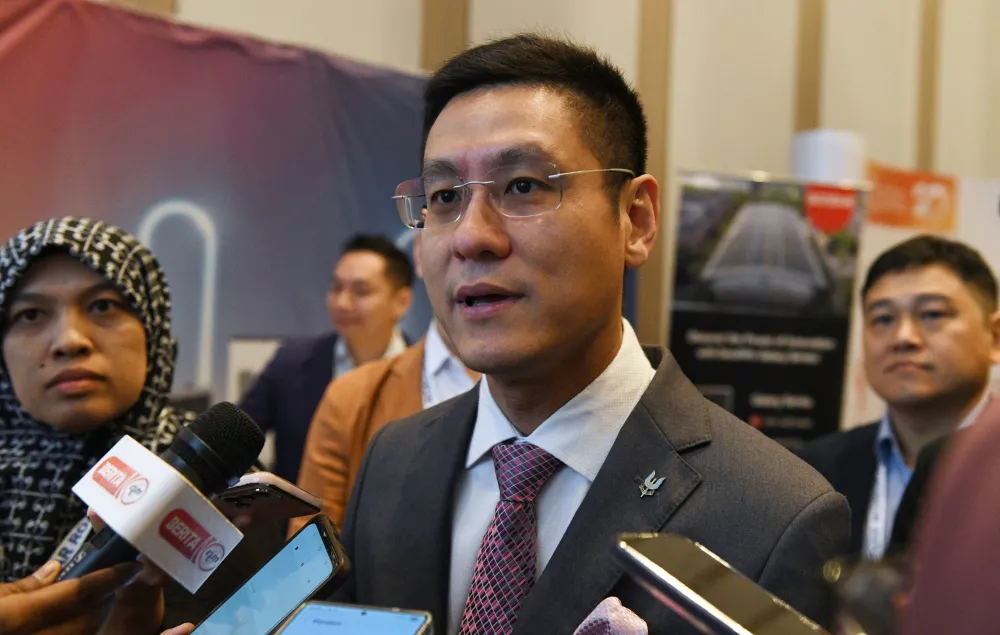
Thailand is preparing to channel ฿100 billion in unused emergency borrowing into its energy transition, with transport among the areas receiving support, according to Finance Minister Ekniti Nitithanprapas. The money remains available under a ฿400 billion emergency loan decree.
At a discussion hosted by online media organisation The Standard, Ekniti said the funding would encourage consumption of fuels produced domestically. He cited biodiesel using palm oil and E20 gasoline made with cassava-derived ethanol.
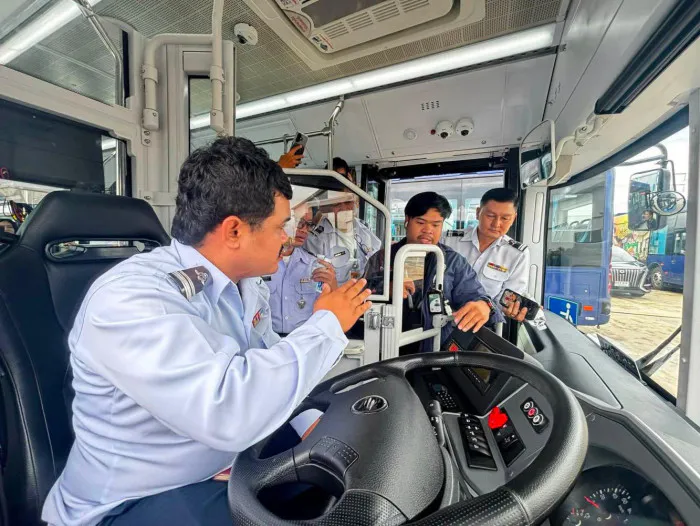
The transport measures would encourage owners of diesel trucks and pickups to adopt vehicles capable of running on B20 or E20. Ekniti said a share of the available money would also go towards developing workers' skills for modern industries.
Explaining the borrowing allocations, he said ฿200 billion had initially gone to a co-payment programme intended to ease living costs. Another ฿200 billion was designated for household rooftop solar support and a smart grid that would enable purchases of electricity from participating homes.
Those two energy initiatives required only ฿100 billion combined, leaving the unused balance, Ekniti said. The rooftop scheme provides each household with ฿50,000 towards installation.
Separately, Ekniti said the government had approved excise tax increases taking effect on Jan 1. Imported battery electric vehicles would face a 35 per cent rate, up from 10 per cent, while the rate for imported range-extended electric vehicles would rise to 35 per cent from 15 per cent. He said the changes would raise revenue and improve fairness for domestic automotive businesses.