Rapid Penang begins electric bus operations with 15 vehicles
Monthly deliveries are expected to expand the fleet to 75 by March 2027, as part of a wider purchase covering Rapid KL.
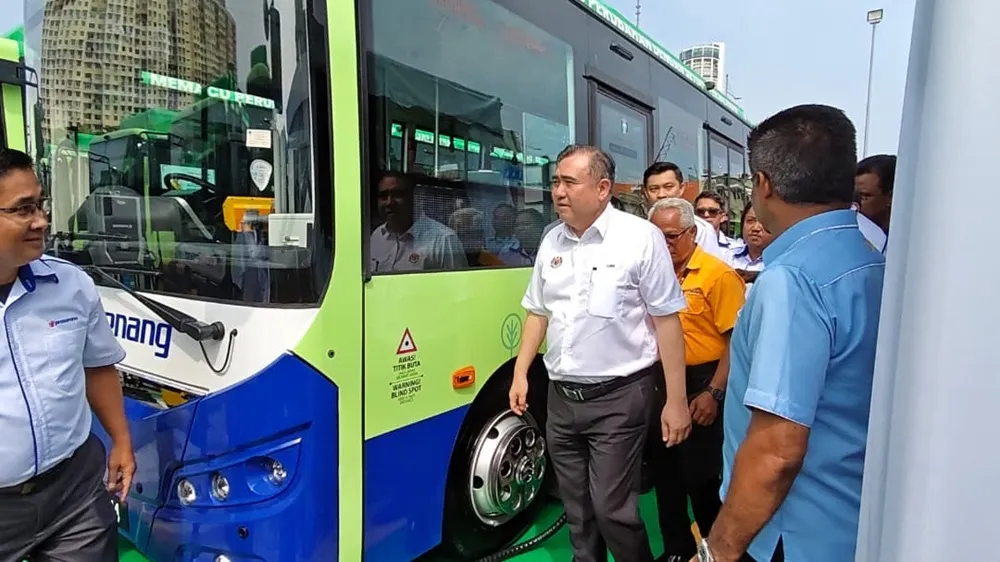
Electric bus services began in Penang on October 17, 2026, with Rapid Penang deploying 15 vehicles. Transport Minister Anthony Loke said further arrivals were scheduled each month, with the operator targeting a fleet of 75 by March 2027.
At the service launch in Weld Quay, George Town, Loke said the starting fleet consisted of 14 vehicles of 8.25 metres and a single 12-metre bus. He said the shorter models could navigate narrow roads and reach densely populated parts of Penang island.
Rapid Bus said its initial procurement phase comprised 250 electric buses, allocating 175 to Rapid KL. Loke put the estimated investment for that entire purchase at RM200 million. Deliveries have been organised into two stages, taking account of depot requirements and charging infrastructure readiness.
The first stage assigns 40 vehicles to Penang and 110 to Rapid KL, with deliveries starting in June and due to finish on December 31. The next stage is expected to run from January to March 2027, providing Penang with another 35 buses and Rapid KL with 65.
Loke said nine depots had been fitted with 150 charging units for the first stage; three of those depots are in Penang. Plans for the second stage cover 100 additional units at six depots, two of them in Penang. By October 13, the two operators had received 52 electric buses.
The gradual introduction would help assess reliability, performance and maintenance needs while keeping services running, Loke said. He placed the deployment within Prasarana Malaysia Berhad’s planned acquisition of 1,600 electric buses during 2026–2031, intended to replace some diesel buses operated by Rapid Penang and Rapid KL.