KLIA security plan includes AI surveillance and scanner upgrades
The Cabinet approved 17 recommendations to tackle drug smuggling, with measures ranging from tighter staff screening to long-term upgrades at entry points.
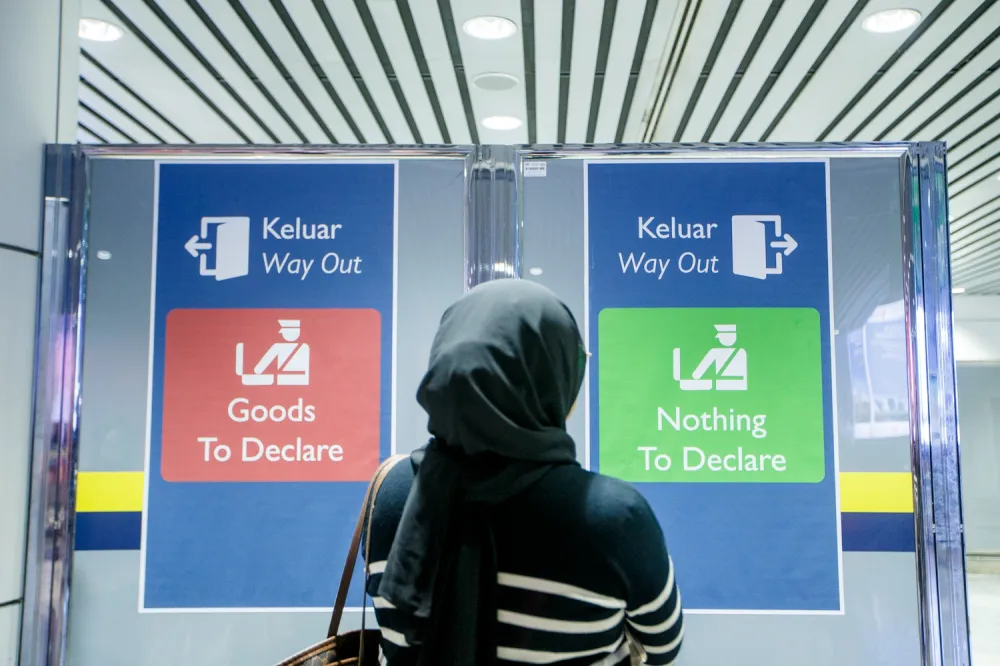
Malaysia’s government has approved a phased plan to strengthen security at Kuala Lumpur International Airport (KLIA), including AI-enabled surveillance and upgrades to baggage and body scanners, according to a parliamentary reply. The plan contains 17 recommendations aimed at curbing drug smuggling.
The Cabinet endorsed the Home Ministry and Transport Ministry’s joint memorandum on August 19. The reply answered Kota Melaka MP Khoo Poay Tiong, who sought details of stronger safeguards after drug seizures at KLIA increased six-fold to RM108.35 million during the first seven months of 2026.
Short-term measures centre on addressing security gaps with existing staff, assets and powers. They include stricter e-Vetting checks for security passes, random drug testing for pilots and flight crew, and a greater police presence. The plan also proposes moving the police K9 Narcotics Unit and Customs Department to special departure zones and high-risk baggage areas.
The medium-term stage, covering six to 24 months, calls for additional capabilities and equipment. Planned purchases include high-powered baggage and body scanners, alongside CCTV systems equipped with AI analytics.
Beyond 24 months, the plan provides for new-generation AI baggage and body scanners at all entry points and changes to terminal and cargo facilities according to risk levels.
Longer-term measures also include establishing the National Immigration Command Centre (NICC) as a national intelligence hub and extending consistent, integrated security standards to the country’s air, land and sea entry points.