Alternative Thai electricity plan calls for rooftop solar expansion
The Resilient PDP proposes up to 60 gigawatts of rooftop solar, battery storage and cancellation of all new gas-fired power plants.
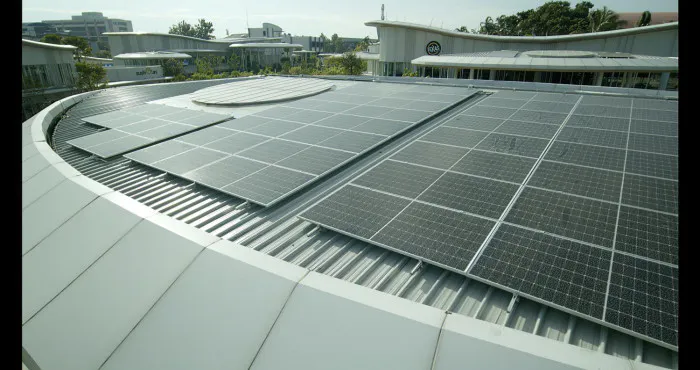
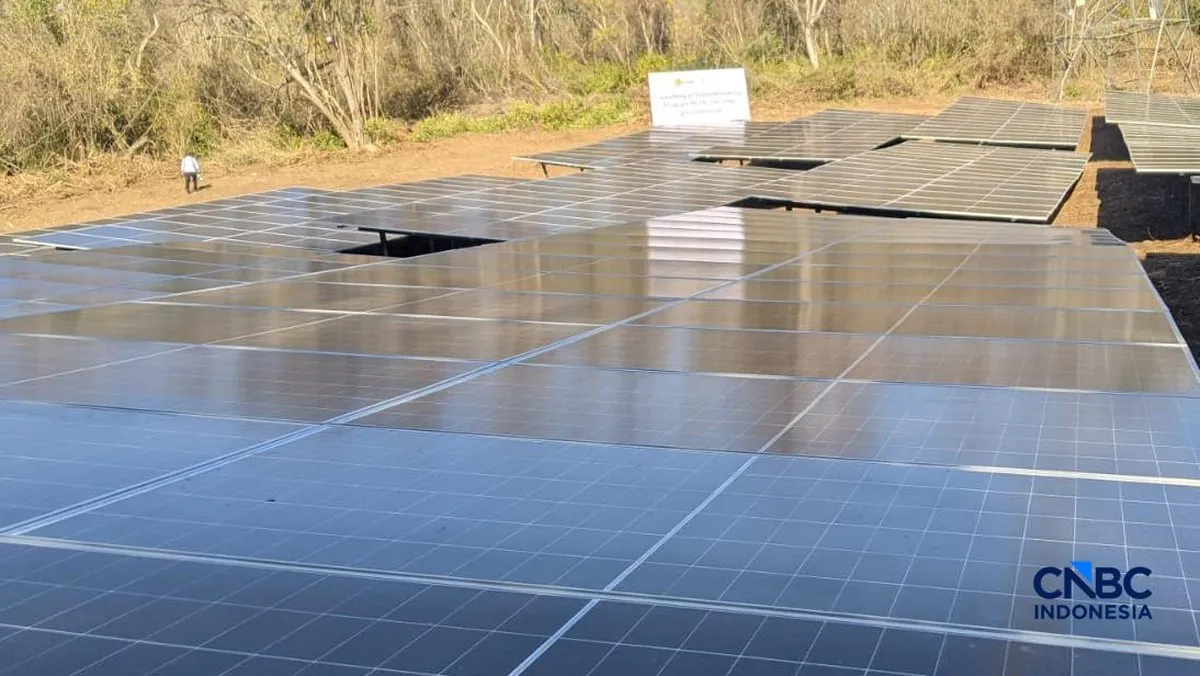
Thailand should expand rooftop solar capacity to as much as 60 gigawatts and abandon plans for new gas-fired generating plants, according to an alternative electricity strategy drawn up by energy and climate specialists.
Named the Resilient PDP, the proposal pairs faster renewable energy development with extensive battery deployment, including six-hour and eight-hour storage systems. Its developers say this would support reliable electricity supplies while limiting reliance on natural gas during the transition to a low-carbon economy.
Chalie Charoenlarpnopparut, a scholar at the Sirindhorn International Institute of Technology, prepared the proposal alongside Thammasat University's SDG Move research centre and non-profit think tank Agora Energiewende.
The government's latest PDP covers 2026-2050 and includes a 24.3GW solar target. Chalie argued that weather conditions and solar power's intermittent output would leave gas-fired generation largely unchanged until 2050, even with the higher renewable energy targets.
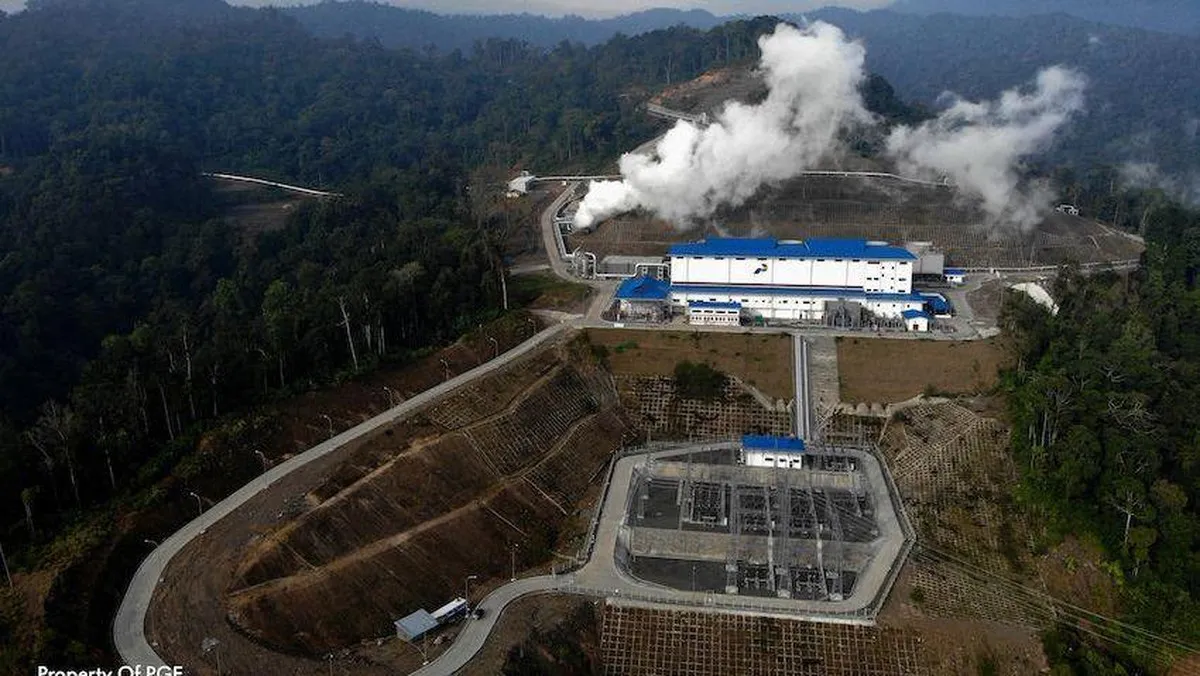
The government plan envisages ending coal-fired generation and adding no coal plants, but proposes 9,100 megawatts of additional combined-cycle gas turbine capacity during 2026-2037. Chalie warned that continued fossil-fuel dependence could endanger Thailand's near-term climate commitments.
He said expanding solar would reduce dependence on imported liquefied natural gas, whose prices are exposed to geopolitical conflicts and global market swings. The alternative strategy, he added, was designed to support Thailand's climate commitments and its ambition to reach net-zero emissions by 2050.