Thailand
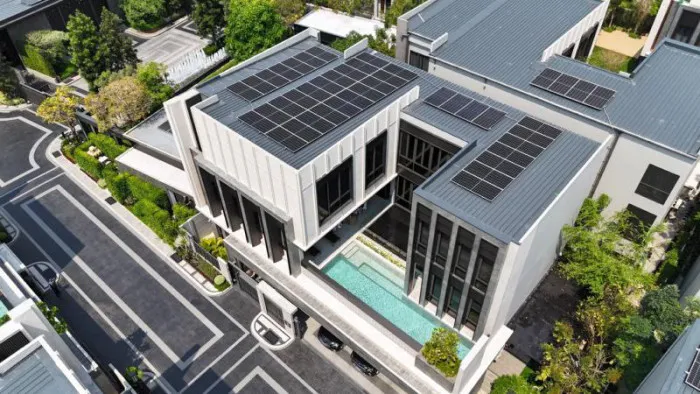
Thailand approves ฿50 billion household solar programme
The cabinet also backed more than ฿20 billion for smart grids to let households sell excess solar electricity to the government.
Solar, wind, power grids and the move to clean energy.
Page 10 of 17
The cabinet also backed more than ฿20 billion for smart grids to let households sell excess solar electricity to the government.
Agreements with ST Engineering and AtkinsRealis will cover technology exchanges, workforce development and potential nuclear-sector collaboration.
Companies adopting the voluntary standard should base clean-power claims on electricity supplied to Singapore’s grid, rather than grids overseas.
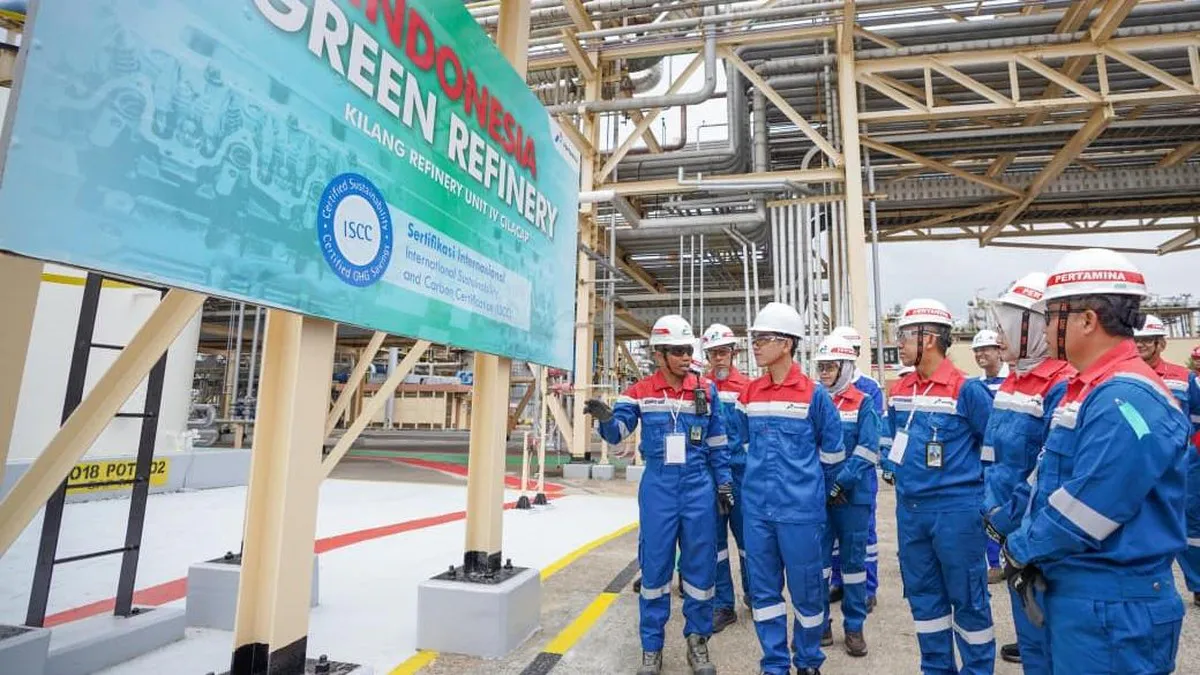
Used cooking oil is processed alongside other feedstocks at Cilacap, with local waste banks helping to supply the material.
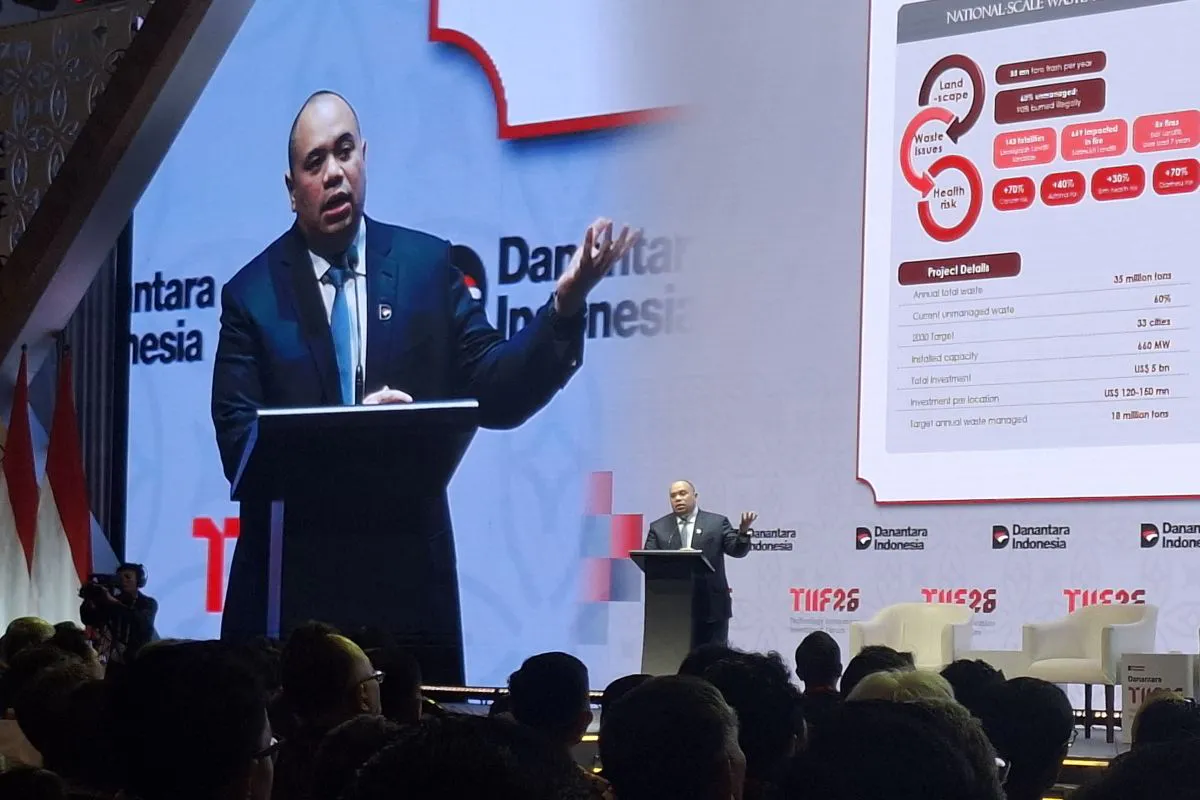
Eight projects are scheduled for groundbreakings in the first quarter of 2027, while three first-phase facilities are already under construction.
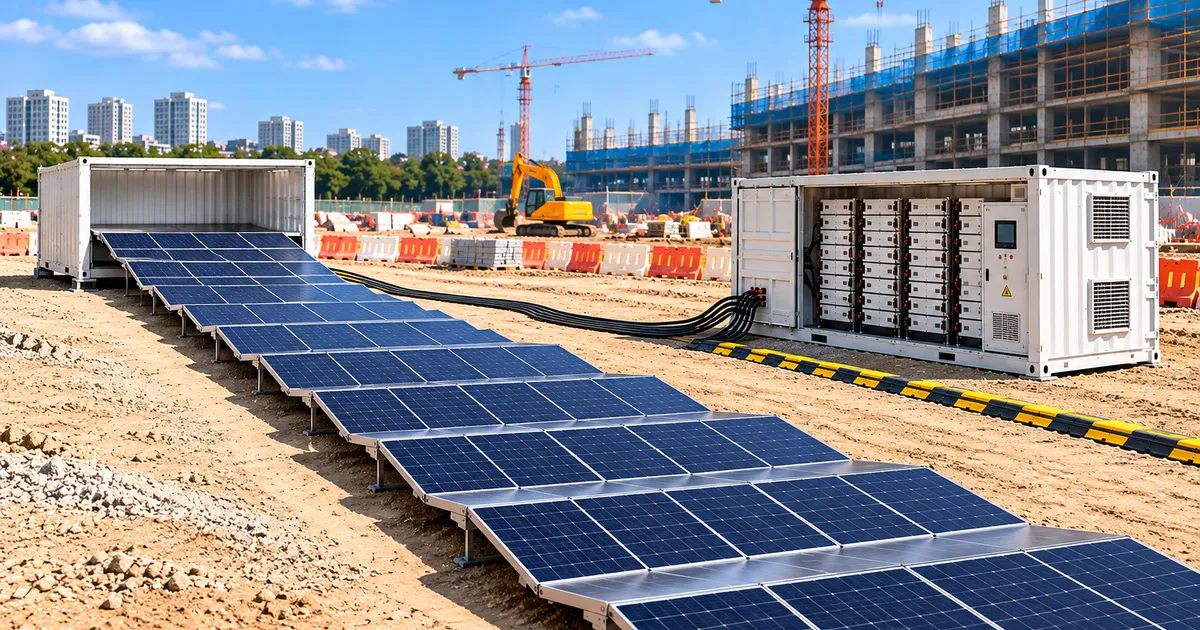
The scheme awaiting cabinet approval would cover rooftop, ground-mounted and floating systems, alongside low-interest loans from three state-owned banks.
The government aims to have at least 500 MW of nuclear generating capacity connected to the electricity grid in 2032–2034.
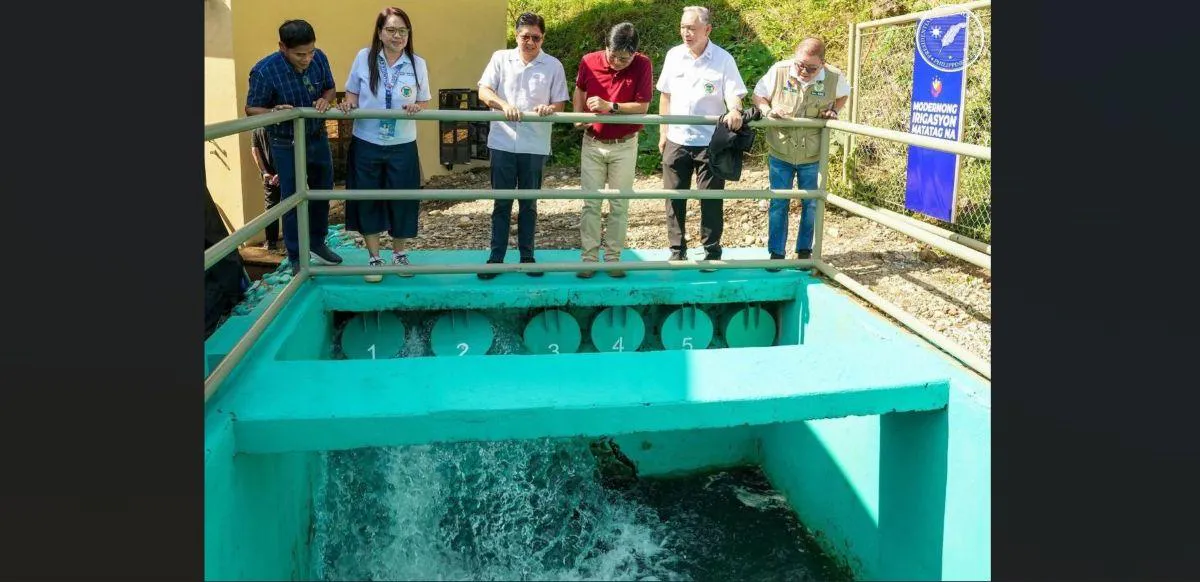
The project cost more than ₱98.6 million and is expected to supply water to 602.63 hectares of ricefields across five barangays.
Vietnam has urged Norway to advance a commitment to invest up to US$250 million through Norfund under the Just Energy Transition Partnership.
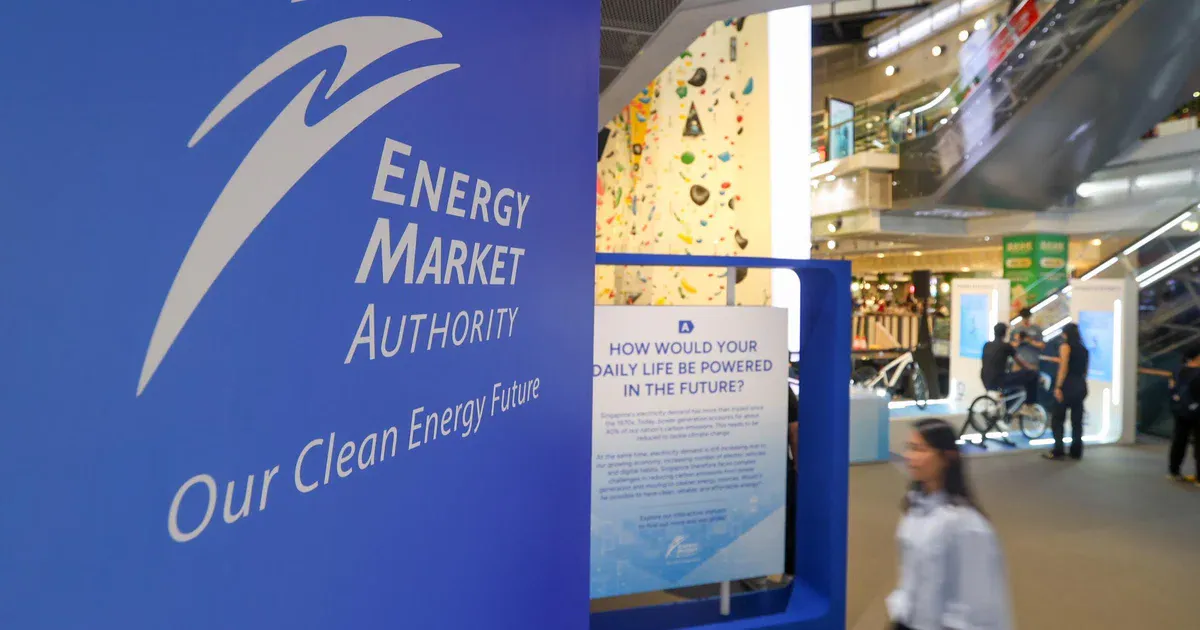
The regulators will collaborate on power and piped gas systems, electricity markets, solar energy and storage.