Singapore
Infrastructure shortfalls hamper Singapore energy projects, survey finds
Some 67% of Singapore energy-sector leaders reported infrastructure obstacles, the highest share across the five markets surveyed by Jacobs.
Solar, wind, power grids and the move to clean energy.
Page 9 of 17
Some 67% of Singapore energy-sector leaders reported infrastructure obstacles, the highest share across the five markets surveyed by Jacobs.
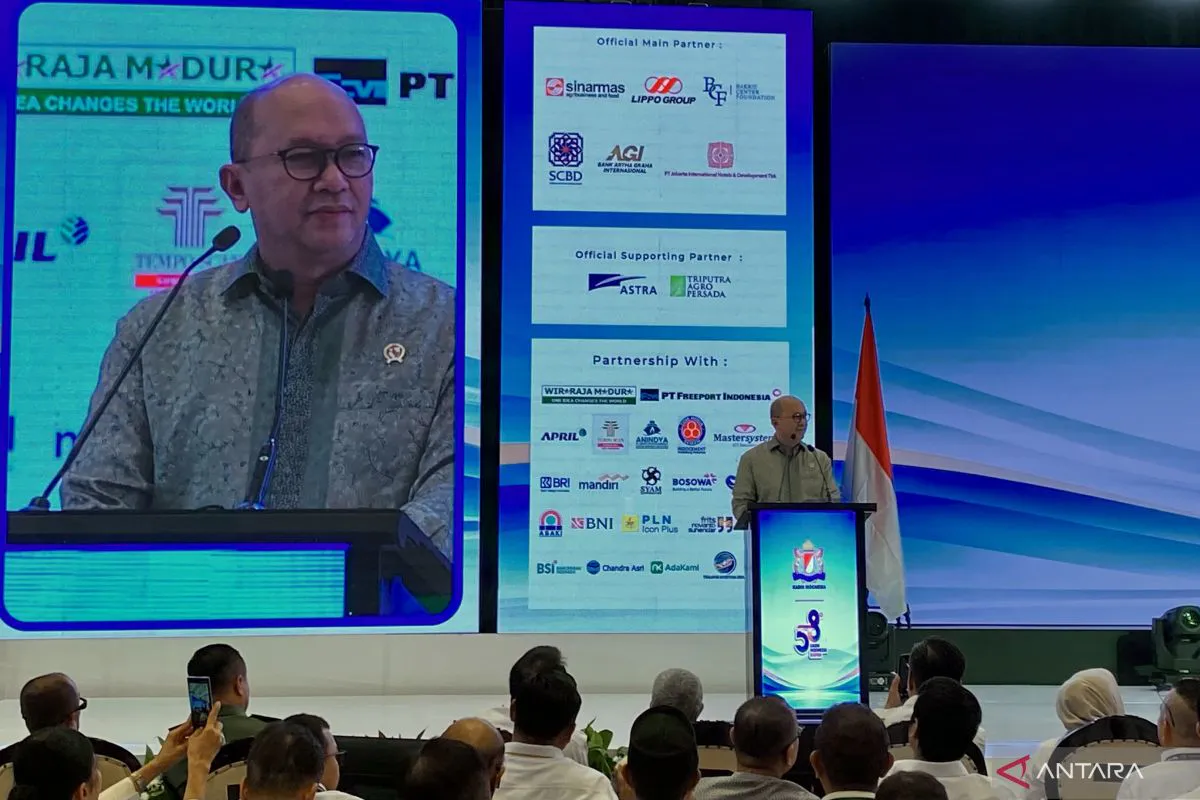
The Indonesian agency says mandatory joint ventures are intended to transfer technology and build domestic business capacity.
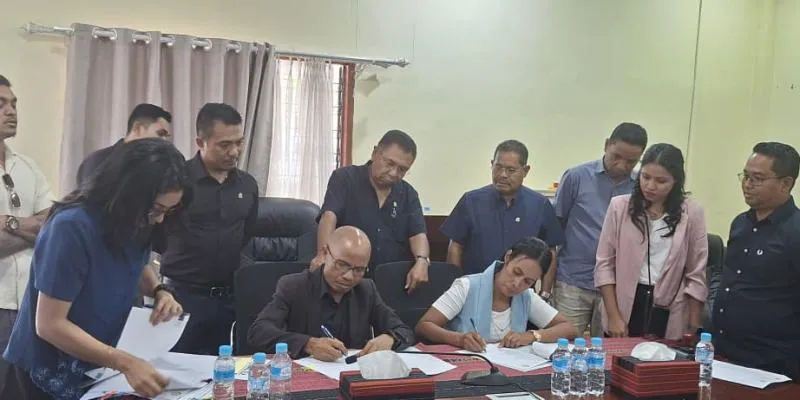
The agreements cover 17 packages in an electrification programme, while other packages remain under evaluation or are being retendered.
The government is auctioning 3,300 megawatts of capacity, but Energy Secretary Sharon Garin said winning bidders may not be named until early 2027.
The government is seeking financing for measures aimed at cutting fires and ending harmful open burning in priority areas by 2035.
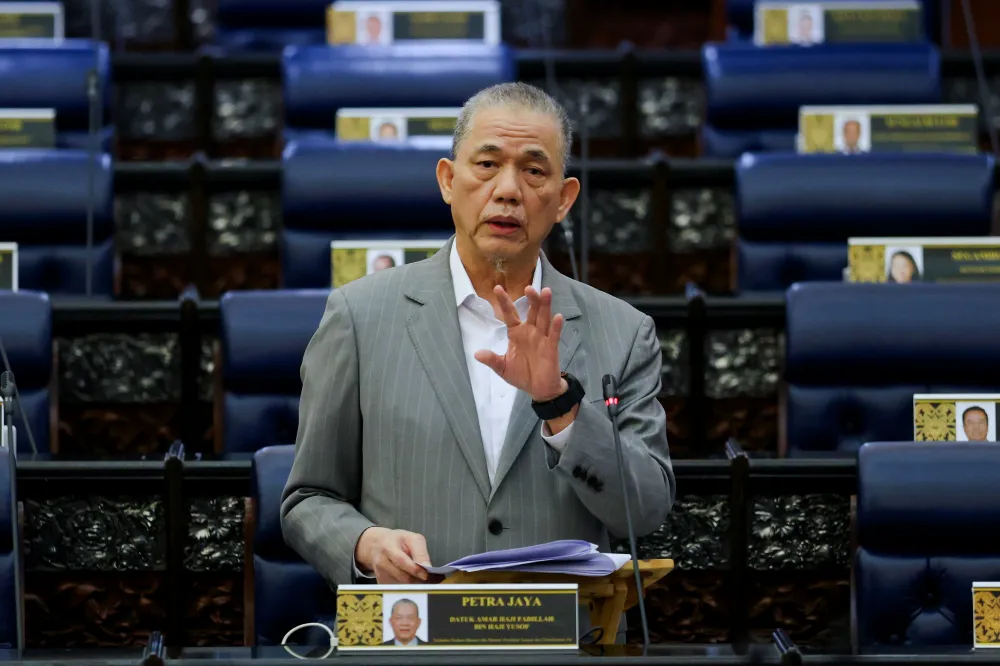
The Energy Commission is preparing guidelines on renewable power and self-generation, while operators are encouraged to produce solar energy for their own use.
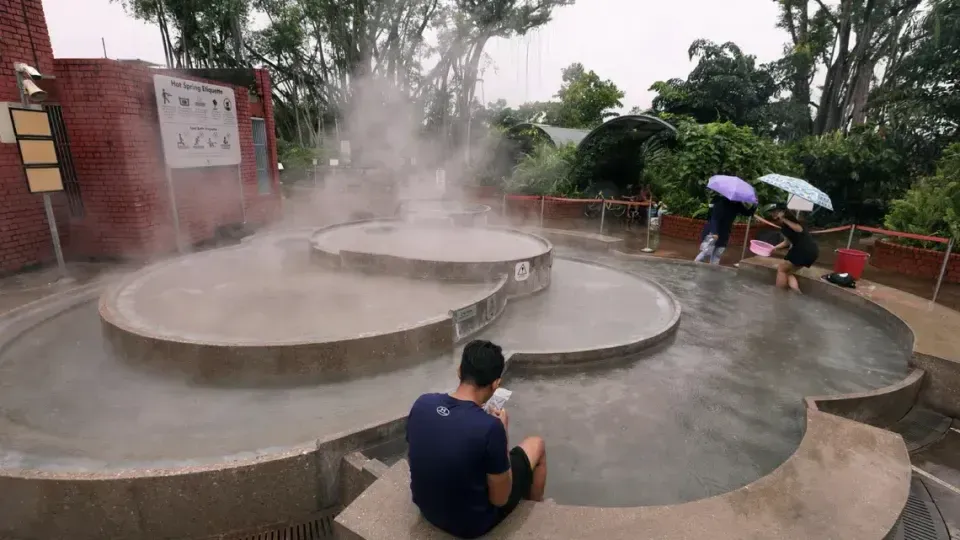
A survey indicated potential exceeding 60 times Singapore’s annual electricity use, but no decision has been made on tapping the resource.
One community group collects around 50–60 kilograms a month, with residents able to exchange used oil for cash or food.
BRIN chief Arif Satria told President Prabowo Subianto that palm oil processing waste could be used to produce biogas for power generation.
National regulations need to be harmonised alongside infrastructure development before a shared power network can operate, PNRE chief John Anis says.