Singapore tightens renewable energy certificate standard, expands solar efforts
Companies adopting the voluntary standard should base clean-power claims on electricity supplied to Singapore’s grid, rather than grids overseas.
Singapore is revising its renewable energy certificate (REC) standard to address greenwashing risks and introducing initiatives to expand solar generation, Minister of State for Trade and Industry Gan Siow Huang announced on Oct 27.
Under the updated Singapore Standard 673 (SS673), companies using RECs to support clean-electricity claims in Singapore should ensure the certificates relate to renewable power delivered to the local grid. That can include domestic generation or imports, but not renewable electricity supplied to other countries. Adoption of Singapore Standards is voluntary.
Speaking at the Asia Clean Energy Summit, Gan said the revision would improve confidence in corporate sustainability reporting. Singapore aims to import 6 gigawatts (GW) of low-carbon electricity by 2035. Gan said credible certificates could encourage companies to pay more for imported power, improving import projects’ commercial viability.
The solar measures follow Singapore’s announcement of a deployment target of 4 gigawatt-peak by 2035. The Energy Market Authority (EMA) has introduced a framework to pool public-sector solar demand, covering government premises and potential installations beyond rooftops, including carparks with solar-panel canopies.
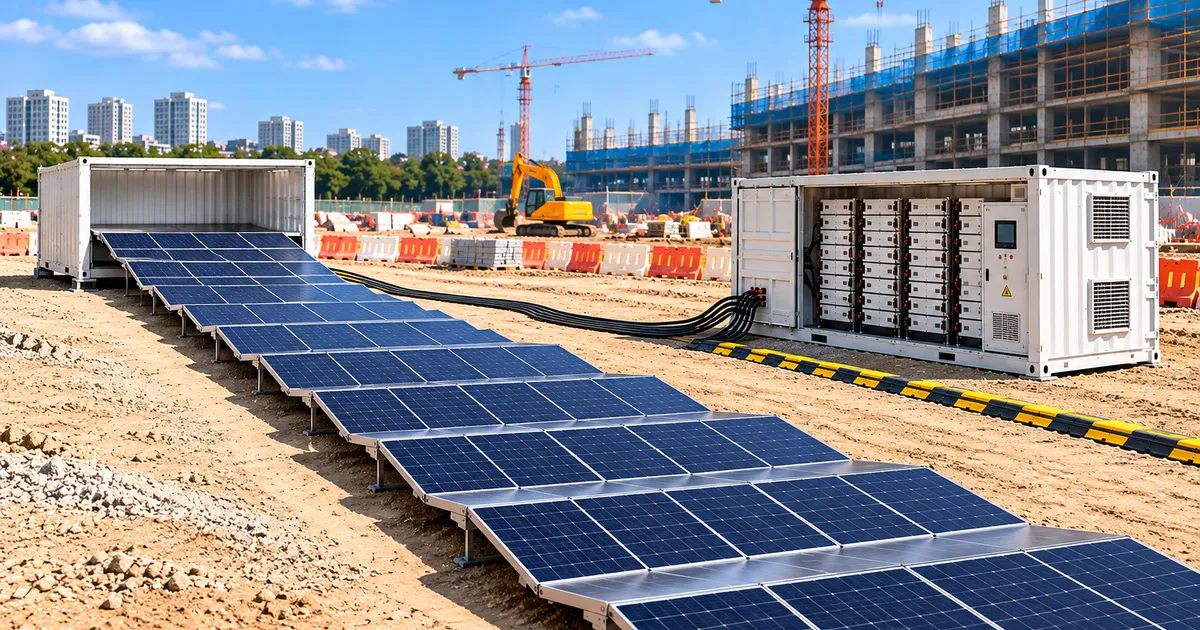
Industrial landlord JTC is launching innovation challenges for building-facade solar installations and off-grid systems combining containerised solar panels with mobile battery storage. The selected facade solution will undergo a 12-month trial covering at least 200 square metres at its YS-ONE industrial building in Yishun.
JTC has also awarded EDP Apac a project at 15 Woodlands Loop to suspend solar panels between existing buildings. Construction and testing will span 15 months from October, followed by 10 years of operation supplying electricity to the national grid once commissioned.
EMA, the Singapore Land Authority and Swiss technology innovation centre CSEM plan to trial solar tiles resembling clay roofing on heritage state buildings. Separately, EMA and the Sustainable Energy Association of Singapore are exploring a homeowner portal covering solar information, installer connections and group purchases.