Indonesia to test dry ice against haze near South Sumatra airports
The experimental approach aims to improve visibility for firefighting aircraft, but its effectiveness in tropical wildfire conditions is unproven.
Indonesia is preparing an airborne dry-ice experiment in South Sumatra to disperse smoke from forest fires, with operations planned near airports. Officials hope clearer skies will let aircraft resume water-bombing and cloud-seeding work.
An initial test is expected, Tri Handoko Seto, deputy for weather modification at Indonesia’s Meteorology, Climatology and Geophysics Agency, told Bloomberg News. Governor Herman Deru said the starting locations would be Palembang, the provincial capital, and a neighbouring district, Antara reported.
Aircraft are to scatter dry-ice pellets to counter temperature inversions, which hold smoke and cooler air near ground level. Budi Harsoyo, the agency’s director of weather-modification operations, said the rapid cooling could theoretically disrupt those conditions, allowing pollutants to disperse.
Harsoyo said teams would work upwind of airports, rather than seek province-wide coverage. The process does not depend on clouds being present and is not designed to trigger rain. He cautioned that its ability to tackle tropical wildfire haze remained unproven.
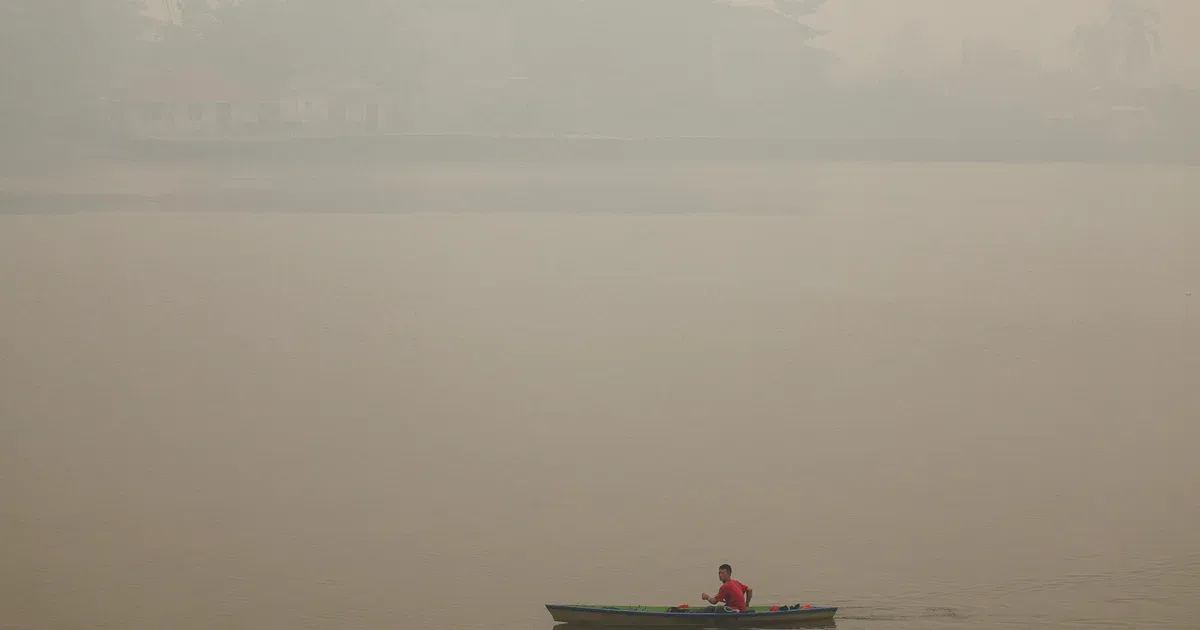
Smoke has persisted despite more than 70 weather-modification operations in South Sumatra, the provincial government said. Extended dry conditions, intensified by a powerful El Nino, have helped land-clearing fires spread out of control across Sumatra and Borneo.
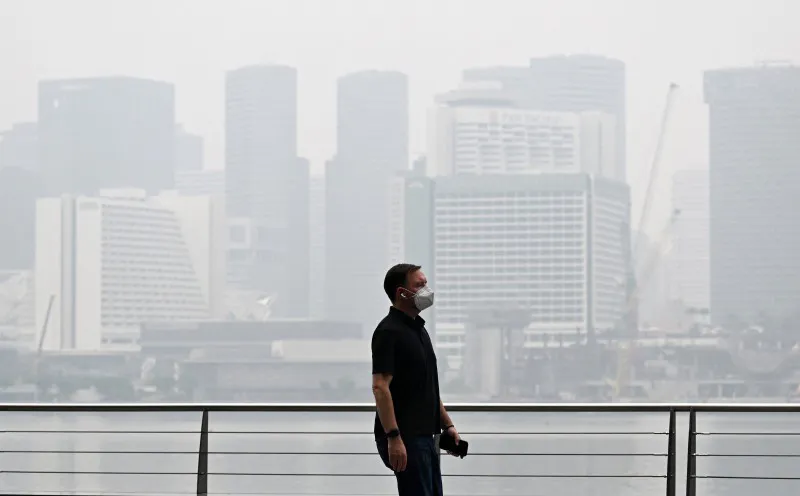
The Transport Ministry reported haze-related disruption to 1,813 domestic flights since Aug 11. In Malaysia, unhealthy air prompted school closures covering three states and parts of four others. Bernama reported that Malaysia had flown 11 conventional cloud-seeding missions since late August, citing Deputy Minister of Natural Resources and Environmental Sustainability Syed Ibrahim Syed Noh.