Indonesia
KAI asked to draw up rail masterplan as Jabodetabek ridership grows
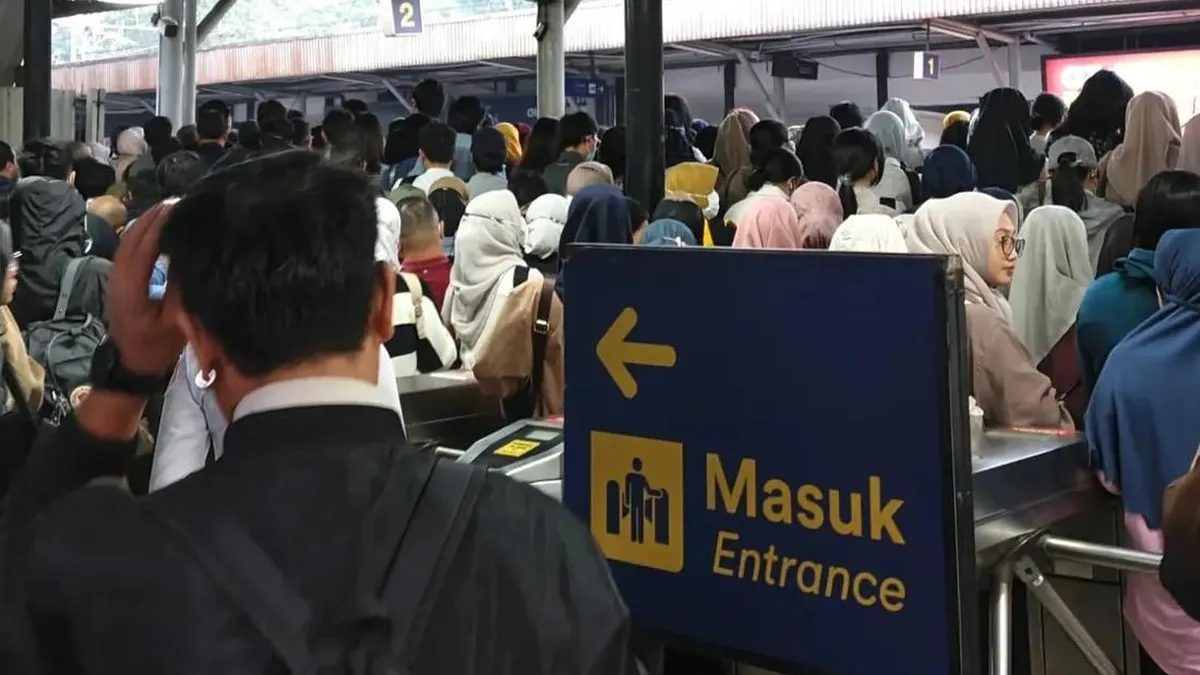
KAI projects 375 million KRL passengers in 2026, above its initial target of 369 million, with annual demand nearing 600 million by 2036.
Electric vehicles, charging, ride-hailing and public transport.
Page 12 of 14
KAI projects 375 million KRL passengers in 2026, above its initial target of 369 million, with annual demand nearing 600 million by 2036.
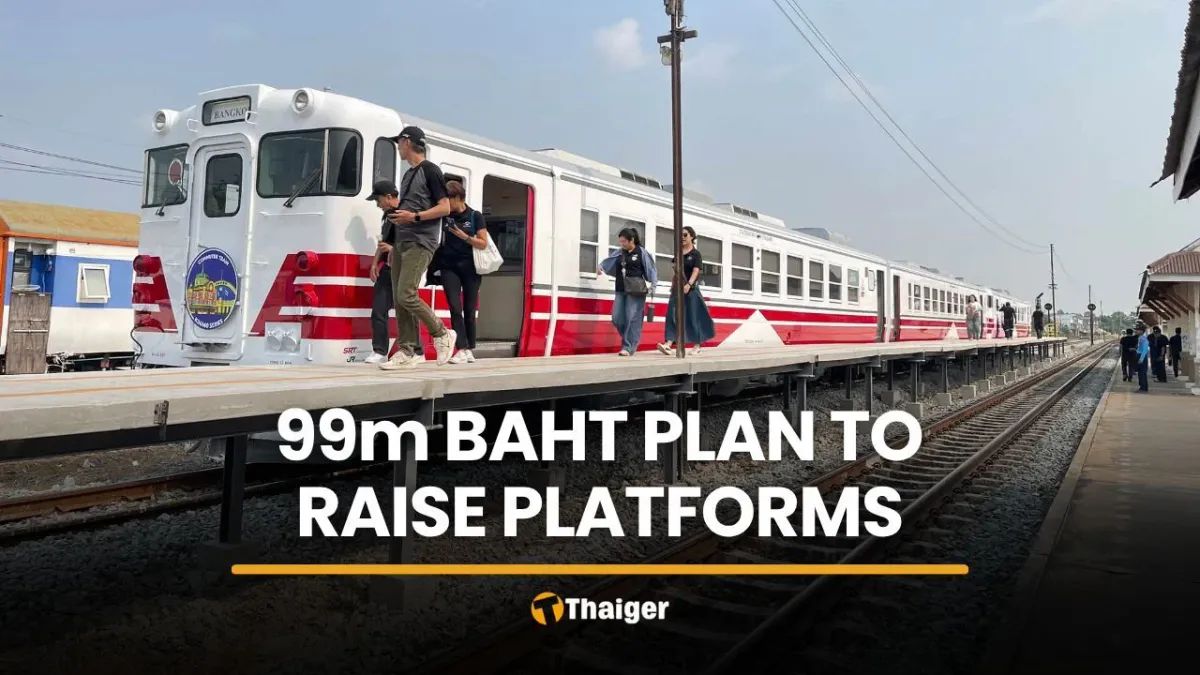
The project has a budget of ฿99,788,000, with bidding planned for November and construction expected to start in 2027.
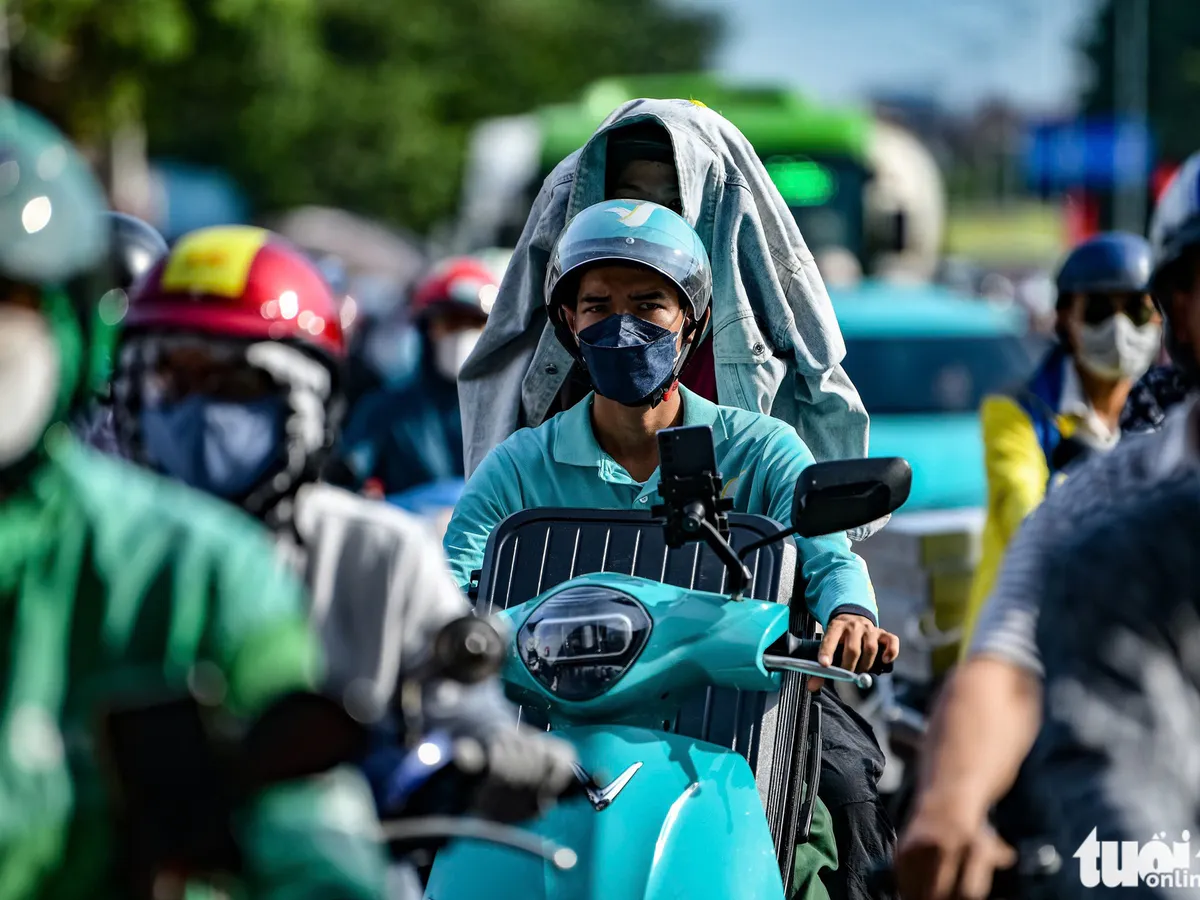
The proposed low-emission zone would initially cover around 15.6 square kilometres, with wider restrictions and clean-energy requirements introduced in stages.
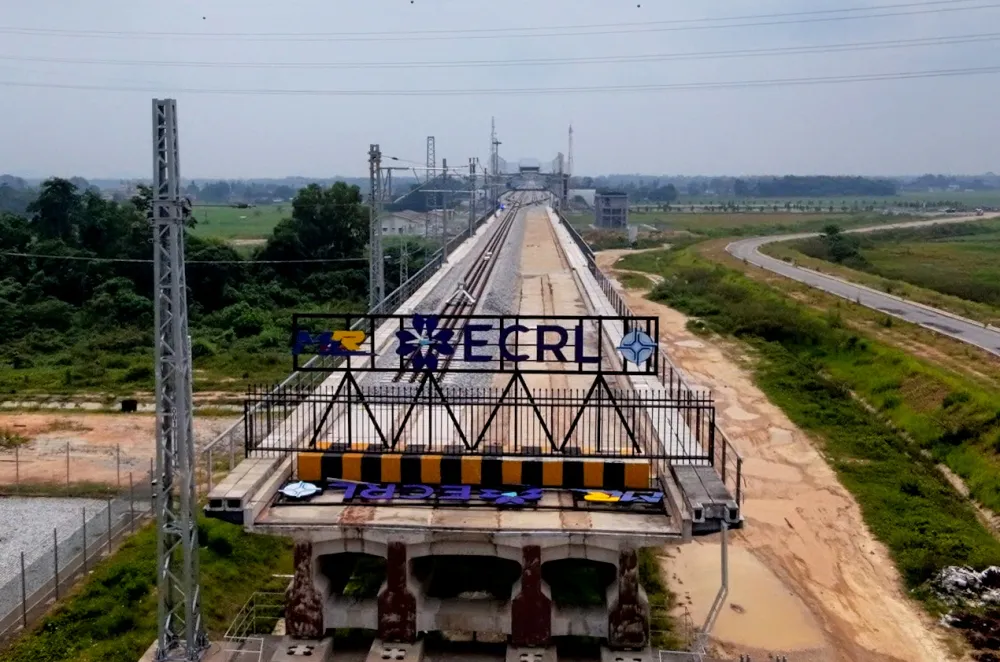
The budget includes RM270 million for urban stage bus services, with connections to 15 East Coast stations before ECRL operations begin.
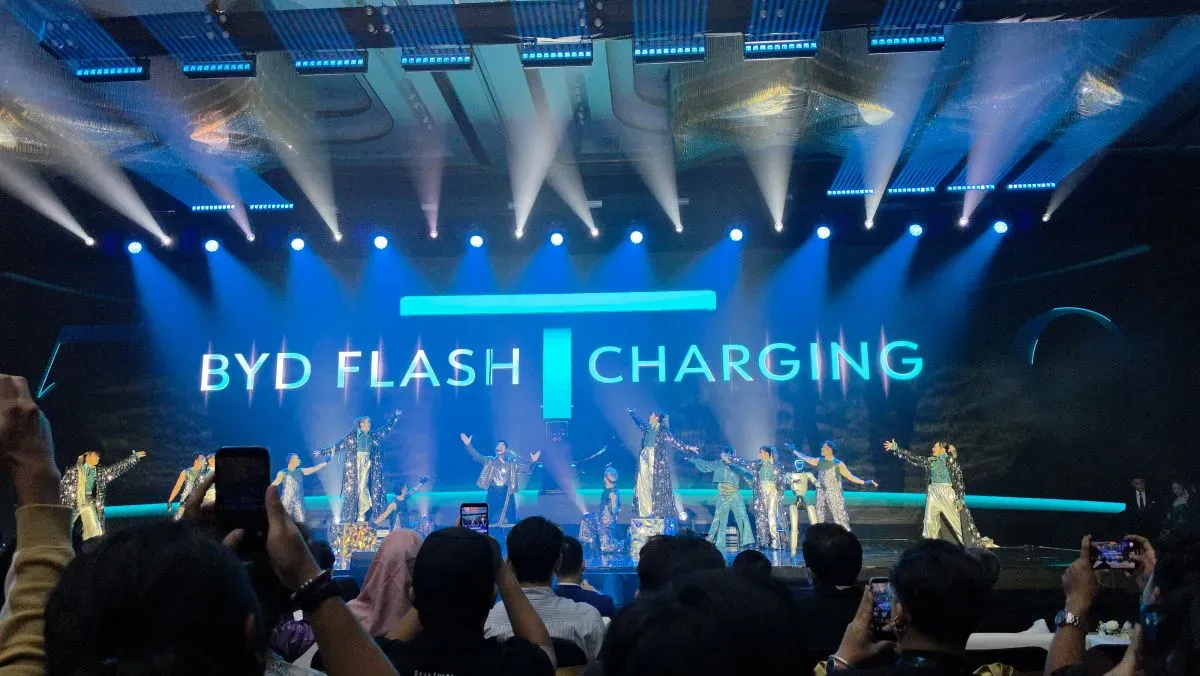
Ten units are already installed at DENZA dealerships, while BYD says an app for its charging service will be launched soon.
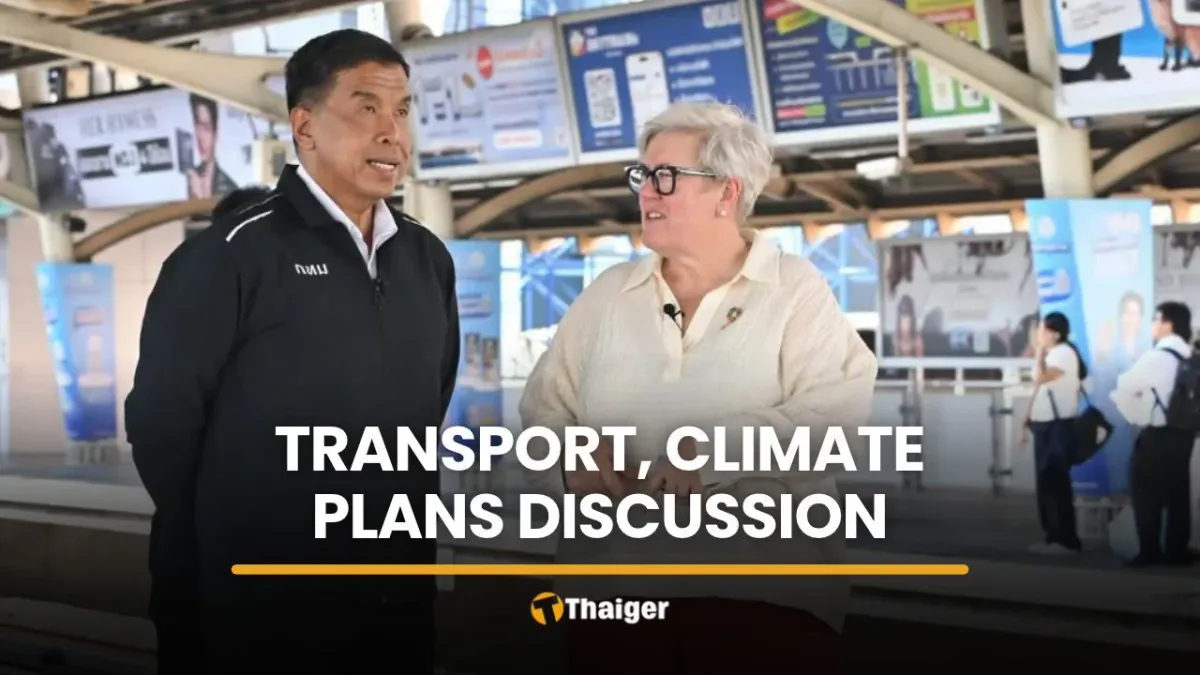
Bangkok is considering congestion charges and low-emission zones, while looking to London for lessons on electric-vehicle workforce training.
The planned system would let passengers transfer between rail lines without another entry charge, with a target launch of Jan 1, 2027.
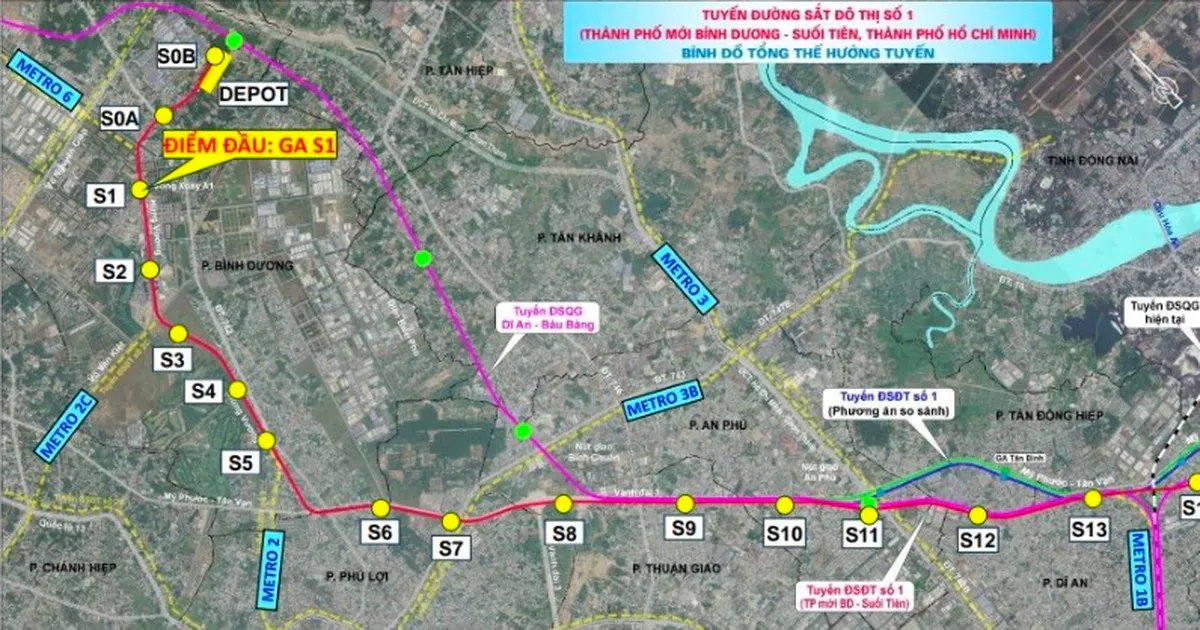
Construction of the routes serving the former Binh Duong Province is scheduled to begin in late 2026 and finish before 2030.
Passengers can travel free for 10 days before the regular ฿257 one-way fare applies.
The government also plans additional bus routes, higher service frequencies and Grab shuttles ahead of the RTS Link opening.