Singapore puts power grid and climate finance on 2027 ASEAN agenda
Minister Grace Fu said Singapore would promote regional energy cooperation and climate resilience, with FAST-P having mobilised about US$1.14 billion.
Regional electricity links, funding for green projects and measures to withstand climate impacts will be Singapore’s priorities for cooperation as ASEAN chair in 2027, according to Grace Fu, Singapore’s Minister for Sustainability and the Environment.
Speaking at the launch of the Southeast Asia Climate Outlook Survey 2026, Fu called for faster adoption of renewable energy. She said dependence on imported energy left Southeast Asia exposed to global market volatility, with fuel price increases affecting production, employment, household bills and supply chains.
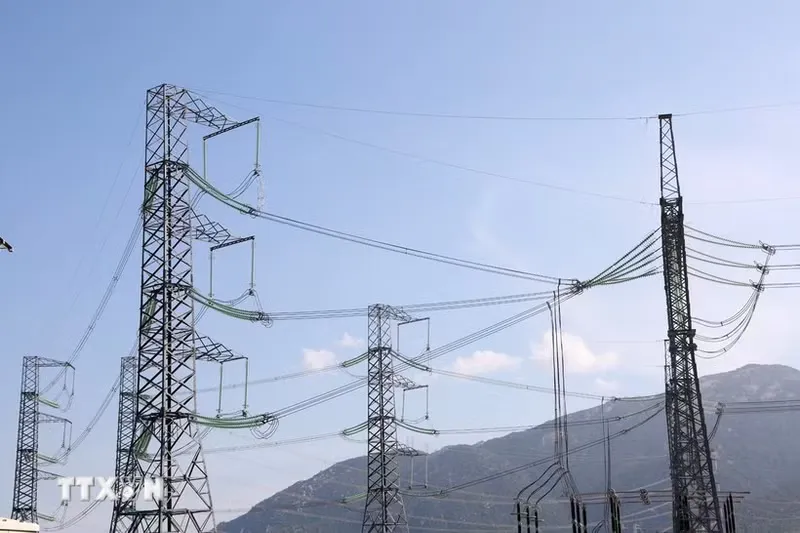
Fu said the ASEAN Power Grid could diversify electricity supplies and improve the use of regional energy resources. She pointed to the Laos-Thailand-Malaysia-Singapore Power Integration Project as evidence that several countries could trade electricity across borders, and urged clearer trading rules alongside workable standards for underwater power cables.
Singapore is developing financing tools, including carbon markets and the blended-finance Financing Asia's Transition Partnership (FAST-P), she said. FAST-P has mobilised about US$1.14 billion for projects covering solar generation, battery storage and grid improvements, helping cleaner sources progressively replace coal-fired electricity.
Fu also called for infrastructure investment and other measures to shield communities, economic activity and long-term development from worsening weather extremes.
The survey drew 3,706 responses across ASEAN’s 11 countries, with Timor-Leste participating for the first time. It was carried out jointly by the ISEAS-Yusof Ishak Institute and the Singapore University of Technology and Design’s Lee Kuan Yew Centre for Innovative Cities.
Unemployment and economic recession concerned 55.3 per cent of respondents; climate change and extreme weather concerned 53.6 per cent. About 44.6 per cent cited increasing energy costs and living expenses. Concern over energy shortages reached 26.1 per cent, against 20.3 per cent in the 2024 survey.