PhilRice creates drought-risk maps to guide rice planting
The colour-coded platform assesses vulnerability to El Niño and outlines options ranging from planting adjustments to alternative livelihoods.
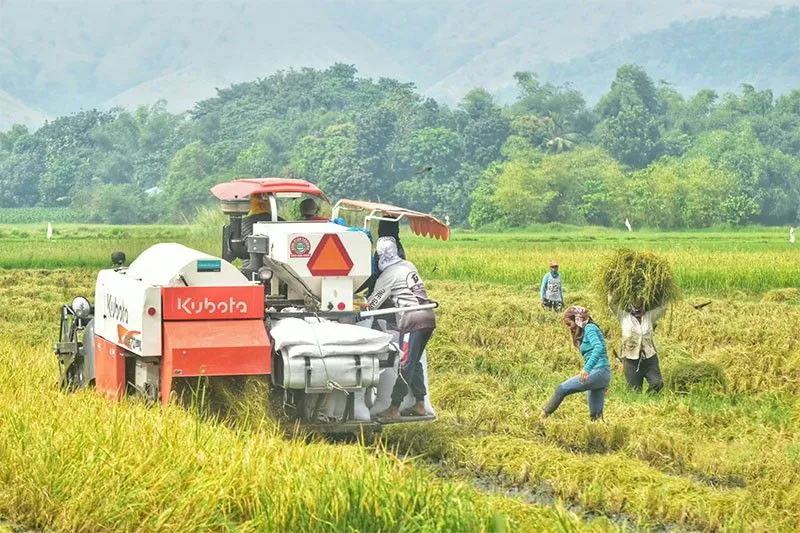
The Philippine Rice Research Institute (PhilRice) has developed a mapping platform to help rice growers assess drought threats during El Niño before deciding whether to plant, change crops or seek other sources of income.
PhilRice said its Vulnerability Risk Assessment maps identify locations potentially affected by El Niño and suggest adjustments to farming. Jesusa Beltran, head of the institute’s Data Analytics Center, said the assessment combines exposure to drought, crop sensitivity and capacity to adapt.
Factors considered include water-balance conditions, water stress affecting crops and their stage of growth. The platform also examines growers’ resources and farming methods, their access to irrigation and the agricultural assistance available.
Under the institute’s guidance, green indicates lower vulnerability: growers are encouraged to plant while conserving water and monitoring weather advisories. Yellow denotes moderate vulnerability, where planting is still advised, alongside consultation with local governments about revised schedules, crop insurance, drought-tolerant varieties that mature early and alternative water supplies.
For orange areas, classified as high risk, PhilRice encourages a temporary switch to crops requiring less water, including corn, mung bean, watermelon and pechay. In red areas suffering severe drought and water shortages, recommendations may include postponing rice planting and considering livestock production or other income-generating activities.
Beltran said local governments can also use the maps to plan agricultural activities and provide timely assistance. Other water-conservation options recommended by PhilRice include direct seeding, irrigation powered by solar energy, harvesting rainwater and integrated farming systems.