MRT Corp and TNB to explore renewable power for RTS Link assets
The collaboration will also examine energy efficiency, electric vehicle charging and the reliability of electrical systems at rail facilities.
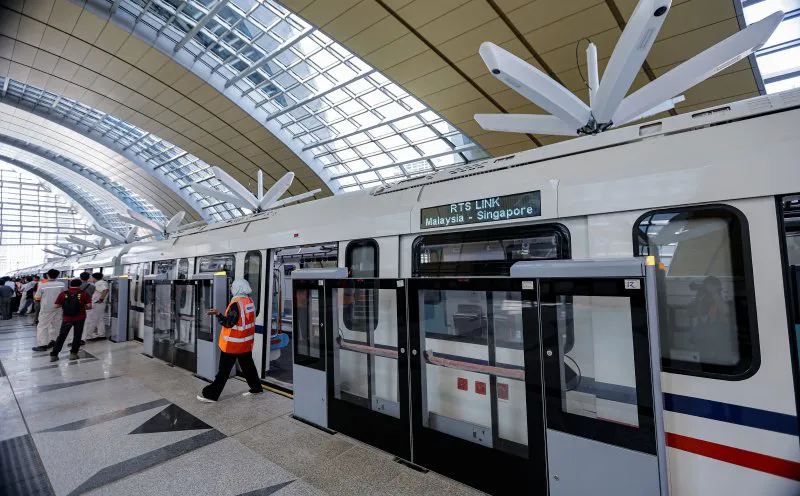
Malaysia Rapid Transit Corporation Sdn Bhd (MRT Corp) and Tenaga Nasional Bhd (TNB) have agreed to study energy solutions for railway infrastructure, with the Johor Bahru-Singapore Rapid Transit System (RTS) Link as their starting point. Bukit Chagar’s Immigration, Customs and Quarantine (ICQ) Complex and Wadi Hana Depot will be the first facilities considered.
The organisations exchanged a memorandum of understanding at Transport Expo Asia 2026 in Kuala Lumpur. The framework covers solar power, potential electric vehicle charging facilities, and maintenance work aimed at making electrical systems more reliable.
They will consider developing renewable energy systems for suitable properties and assets, together with ways to cut electricity use and operating expenses. Charging points could be introduced at selected MRT Corp premises, with the organisations examining how these might complement public transport.
The electrical work will address safety and operational resilience, covering both electrical systems and generator sets serving critical rail facilities. The cooperation extends an existing relationship involving MRT1, MRT2, the Penang Mutiara Line and RTS Link.
MRT Corp chief executive officer Datuk Mohd Zarif Hashim said the company’s responsibilities were expanding from infrastructure delivery to efficient, sustainable asset operation. TNB president and chief executive officer Datuk Seri Ir Ts Shamsul Ahmad said the framework would also enable the organisations to investigate energy opportunities beyond the RTS Link.