Indonesia puts green investment at centre of COP31 plans
Priority sectors include lower-emission rice farming, mangrove conservation and waste-to-energy projects, alongside efforts to strengthen carbon-market financing.

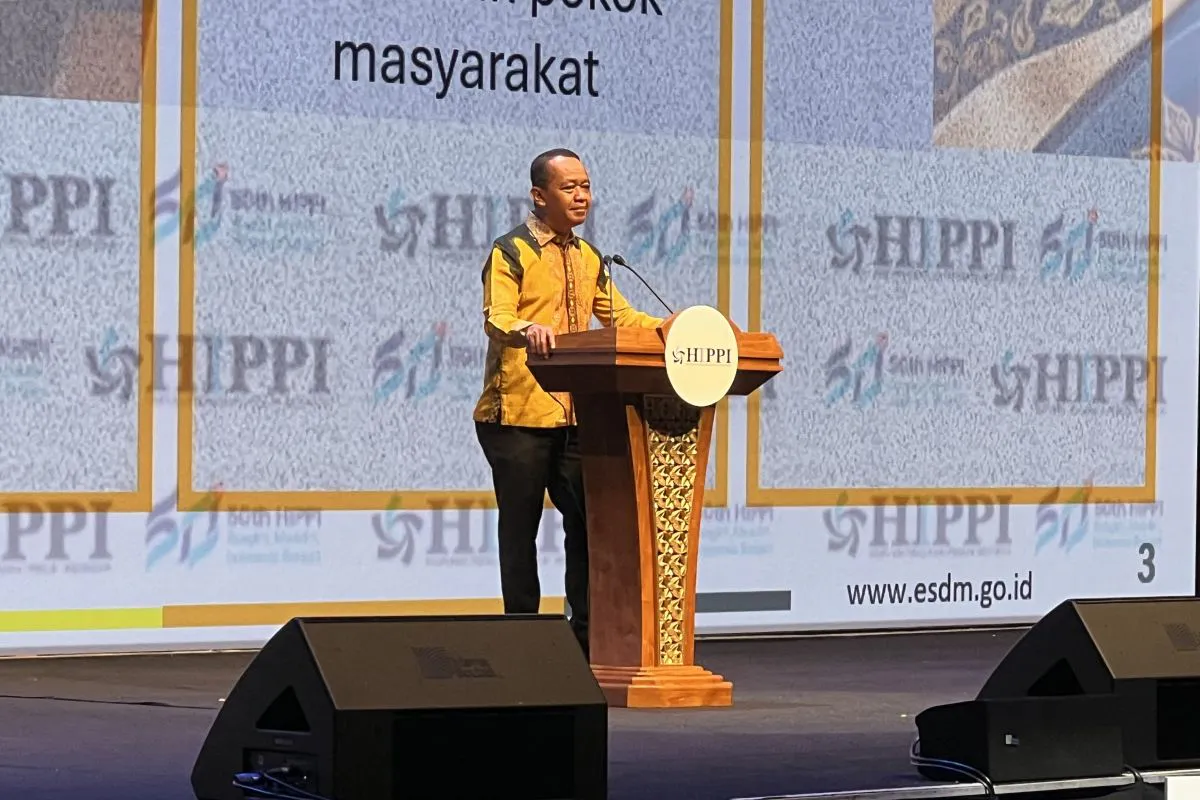
Green investment and overseas climate partnerships are Indonesia’s main goals for COP31, Coordinating Minister for Food Zulkifli Hasan said at a Jakarta preparation meeting on October 12. He said the country wants tangible outcomes that advance food security, protect the environment and support sustainable economic growth.
The conference will take place in Antalya, Türkiye, from November 9 to 20, 2026. Indonesia hopes to conclude cross-border partnerships there, with investment priorities spanning smart agriculture, rice farming with lower emissions, silvofishery systems and coastal mangroves that store blue carbon.
Zulkifli identified a stronger Indonesian carbon market as a way to attract international climate finance. At the Indonesia International Sustainability Forum on October 6, he estimated the market’s annual potential at US$7.7 billion. The government has issued Presidential Regulation No. 110 of 2025 on carbon economic value instruments and controls on national greenhouse gas emissions.
The Financial Services Authority (OJK) reported cumulative Indonesia Carbon Exchange transactions of Rp93.97 billion through September 30, 2026, following its launch in September 2023. The volume traded was 1.98 million tons of carbon dioxide equivalent, and the exchange had 160 registered users.
Four forestry projects have received carbon units from the government, Zulkifli said. Their potential emissions reductions total around 30 million tCO2e, with transactions estimated at Rp5 trillion and projected non-tax state revenue of Rp500 billion.
The government is also developing waste-to-energy facilities with investment management agency Danantara and local governments to reduce methane emissions. Zulkifli urged closer coordination between sectors, saying droughts and land fires linked to climate change threaten agricultural yields.