Indonesia seeks AI and semiconductor role for Bali economic zone
The Tsinghua Southeast Asia Center has started physics and neuroscience research programmes and a semiconductor forum with Tsinghua University.
Indonesia's government wants the Kura-Kura Bali Special Economic Zone (SEZ) to become a centre for semiconductor development and artificial intelligence research as its economic and technological links with China grow. Further initiatives are intended to expand digital research and development, applications of AI and digital economy projects.
Operating within the zone, the Tsinghua Southeast Asia Center has introduced foundational programmes for research into physics and neuroscience. A semiconductor forum has also been launched in collaboration with Tsinghua University in Beijing.
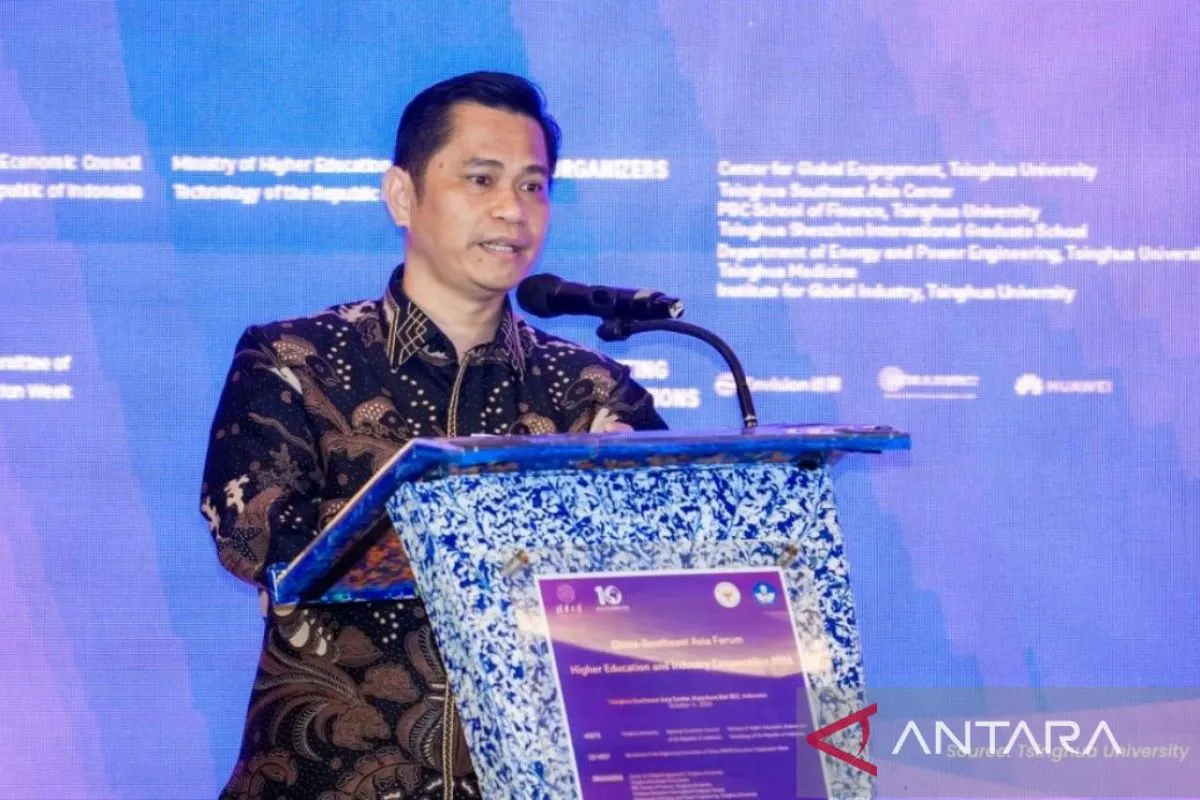
Ali Murtopo Simbolon, acting secretary-general of the National SEZ Council, said the centre could link China to Southeast Asia and the wider world. He called for future cooperation between Indonesia and China to go beyond investment, encompassing joint research, technology transfer, workforce development and the strengthening of national industrial capacity.
Cumulative realised investment at Kura-Kura Bali reached Rp1.8 trillion by the first half of 2026. The zone had created 2,173 jobs and recorded 131,657 visitors. Nationally, Indonesia's 25 SEZs span approximately 23,797.88 hectares, with cumulative investment of US$20.7 billion and more than 283,000 jobs. Chinese enterprises represented 97 of their 481 tenant entities in the second quarter of 2026.
Indonesia and China are also widening industrial partnerships under the Two Countries Twin Parks initiative. The framework combines Indonesian natural resources and market scale with Chinese capital and technology expertise for high-value manufacturing and digital infrastructure.