Indonesia prepares domestic crop supplies for bioethanol mandate
Minister Bahlil Lahadalia said mandatory implementation would start in 2027, with industrial capacity being assessed through 2028 to avoid ethanol imports.
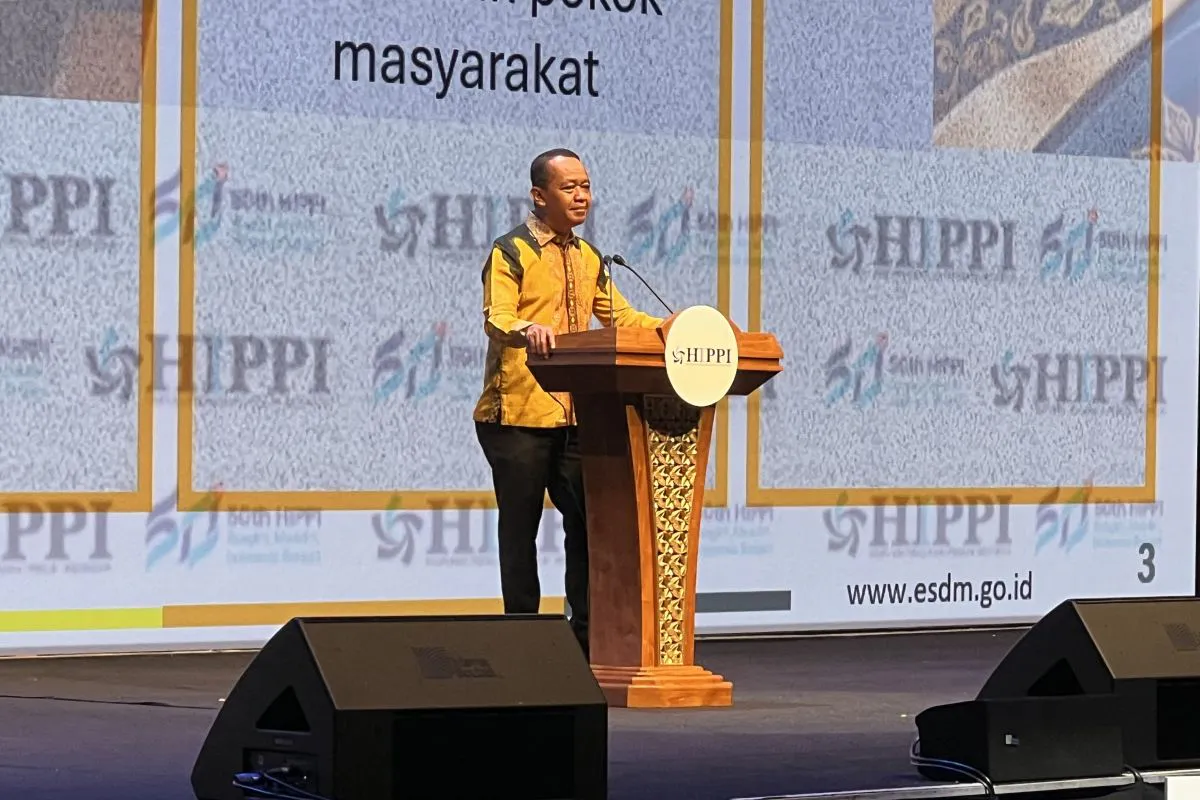
Indonesia plans to begin mandatory bioethanol implementation in 2027, Energy and Mineral Resources Minister Bahlil Lahadalia said in Jakarta. Preparations include identifying crop-producing centres on Java, Sumatra and Papua to provide raw materials for the planned E10 rollout.
Bahlil spoke alongside the national working meeting of the Indonesian Indigenous Entrepreneurs Association (HPPI). He said preparations for a transition towards E50, which combines gasoline with 50 per cent bioethanol, were being finalised. Officials are examining domestic industrial capacity through 2028, with the aim of preventing the mandate from requiring imported ethanol.
Sugarcane, cassava and corn are the intended raw materials for E50 production. Bahlil said the requirement would give cassava farmers dedicated buyers, create opportunities for processing infrastructure and generate new regional centres of economic growth.
Indonesia's daily fuel consumption is approximately 1.6 million barrels, against crude oil lifting of roughly 600,000 barrels daily. Imports supply the shortfall of about 1 million barrels per day. Bahlil cited the country's palm oil-based B50 biodiesel programme as the model for the gasoline sector, saying it had eliminated the need for diesel imports.