Indonesia plans incentives for hybrids and range-extended electric vehicles
Proposed support includes tax relief, exemptions from odd-even traffic restrictions, designated parking and charging facilities.
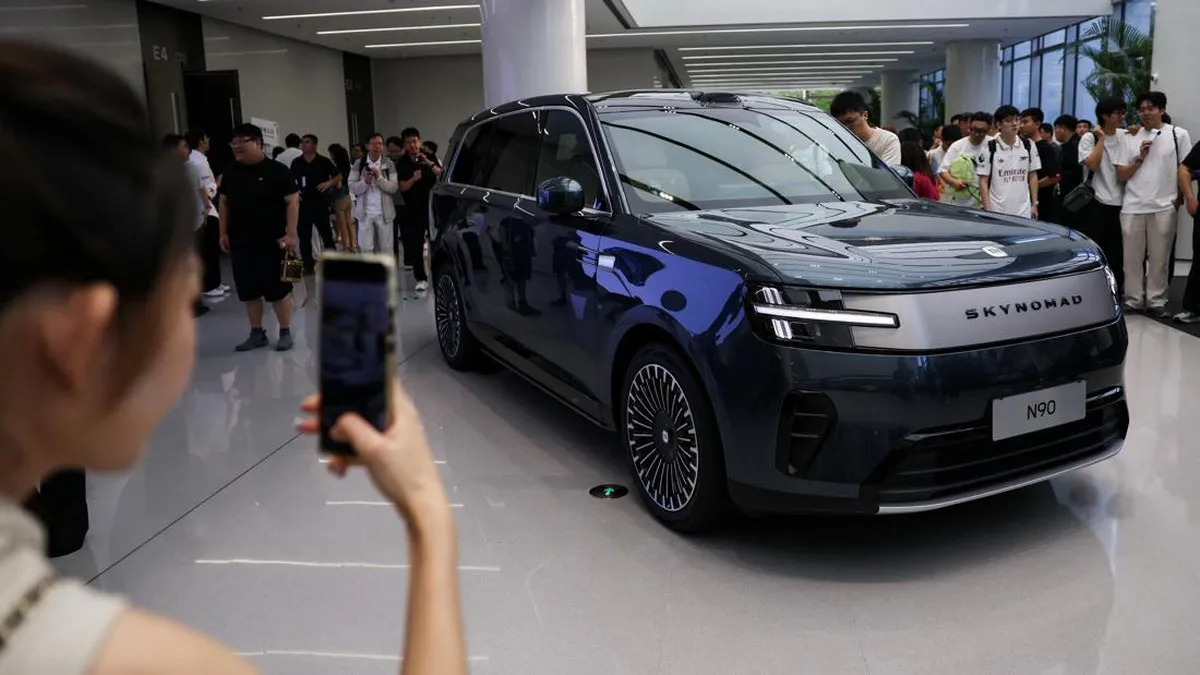
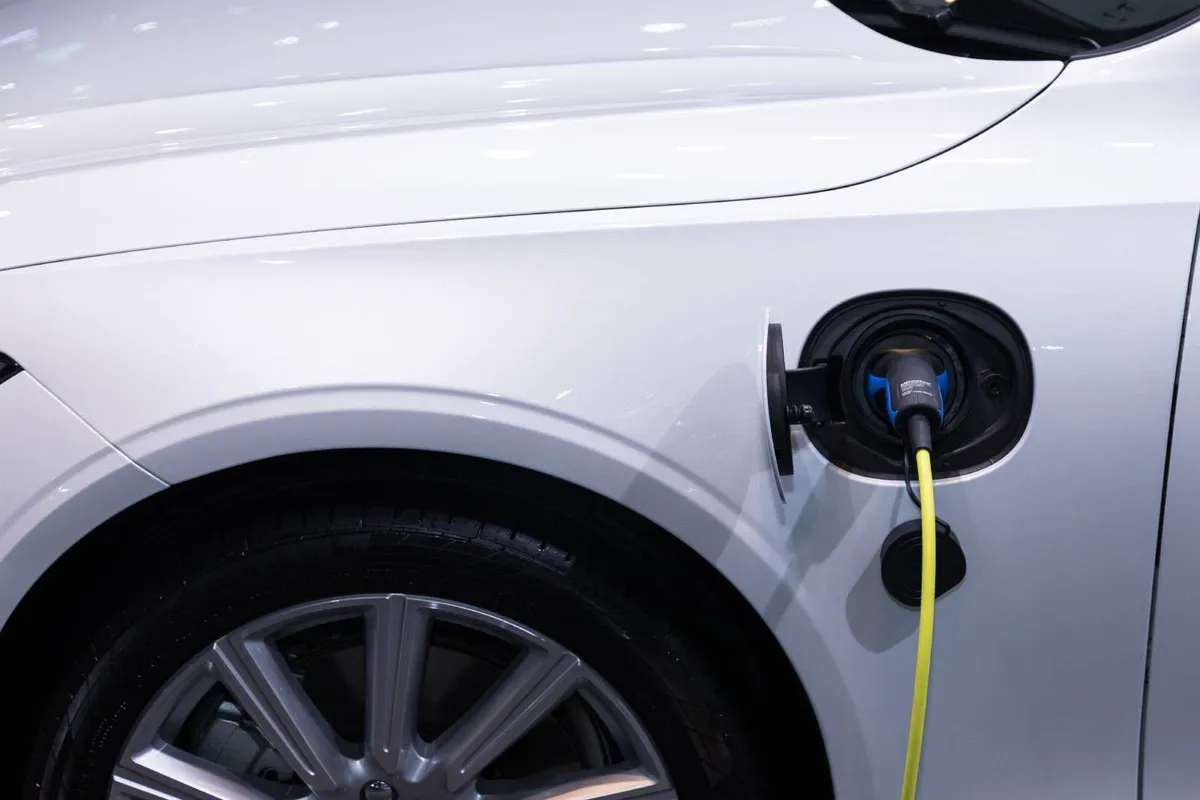
Indonesia's Industry Ministry plans to seek incentives for hybrid, plug-in hybrid and range-extended electric vehicles, Industry Minister M Sarmuji said in Jakarta. He said the support need not match the incentives offered to fully electric cars.
The proposals would combine tax concessions with non-fiscal measures, including exemptions from odd-even traffic rules, special parking and charging facilities. Sarmuji said the ministry would aim to advance the measures in 2026, with early 2027 as an alternative.
Sarmuji claimed that range-extended electric vehicles, known as REEVs, could travel up to 65 kilometres using one litre of fuel and achieve a maximum range of 1,600 kilometres. He said developing REEVs and plug-in hybrids could reduce national fuel consumption, particularly subsidised fuel use, while lowering emissions and supporting energy security.
Both technologies retain batteries and internal combustion engines, meaning manufacturers would not need to completely overhaul existing production components, he said. Electrified-vehicle incentives have so far largely favoured battery-electric cars, according to Sarmuji.
Putu Juli Ardika, chairman of Indonesian automotive industry association Gaikindo, said several manufacturers had expressed interest in developing REEVs in Indonesia. He said a producer in Subang planned to introduce the BYD M6 DM-i, and argued that a strong market backed by government incentives would attract investment.
Putu also attributed much of the 10 per cent year-on-year increase in passenger-car sales to purchases of fuel-efficient models as fuel prices remained high. Sales of conventional internal combustion engine cars had fallen significantly, he said.