Green jobs account for under 1% of ASEAN employment, report finds
About 22.3% of employment is in occupations that could become green with suitable policies and systems, while Singapore had the lowest green-job share among countries surveyed.
Green jobs employ fewer than 1 per cent of ASEAN workers, according to the ASEAN Green Jobs Report, which examined six countries and found Singapore had the smallest share among those surveyed.
Published on Oct 27 at the launch of the ASEAN Labour Statisticians Network in Singapore, the study assessed Singapore, Indonesia, Malaysia, the Philippines, Thailand and Vietnam. Its findings on labour demand relied mainly on LinkedIn data.
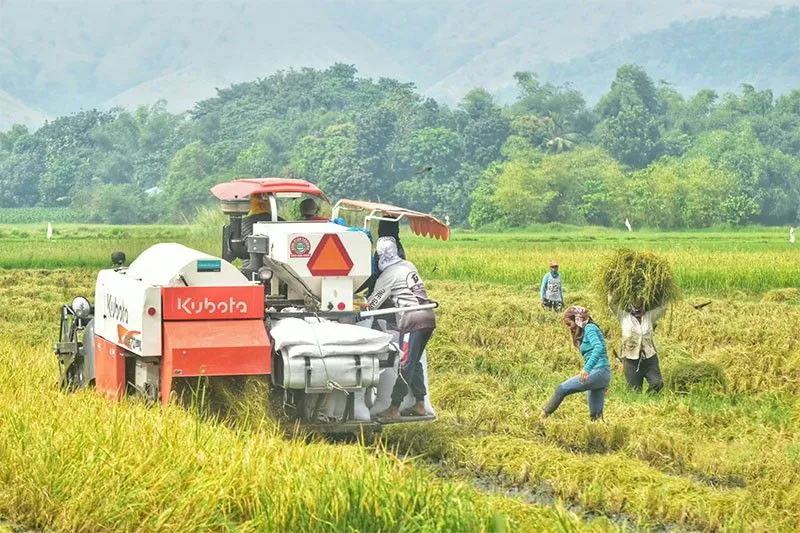
The report put employment in occupations with green potential at about 22.3 per cent. Green jobs consultant Richard Horne, who presented the findings, said this measure covers work that could become green through appropriate policies, initiatives and systems, including more sustainable agricultural practices.
Singapore’s low share of green jobs could reflect its lack of an agricultural sector, the report suggested. However, LinkedIn job-posting data for 2024 showed green talent represented up to 25.2 per cent of construction hires and more than 30 per cent of utilities hires in Singapore.
For construction, the comparable share was about 18.6 per cent in the Philippines and roughly 15 per cent to 16 per cent in Malaysia and Indonesia.
The authors cautioned that LinkedIn coverage excluded some ASEAN countries and favoured higher-skilled roles. Official statistics also differed in their definitions and collection methods, while renewable-energy jobs were difficult to identify in industry and occupation data.
Recommendations included using green potential to guide workforce planning, considering support for renewable-energy development where relevant, and factoring digitalisation and artificial intelligence into green-skills planning.