Vietnam wind workforce needs projected at 60,000-80,000 by 2030
An industry researcher said specialised courses and practical training facilities were insufficient, proposing investment in 10-15 vocational colleges.
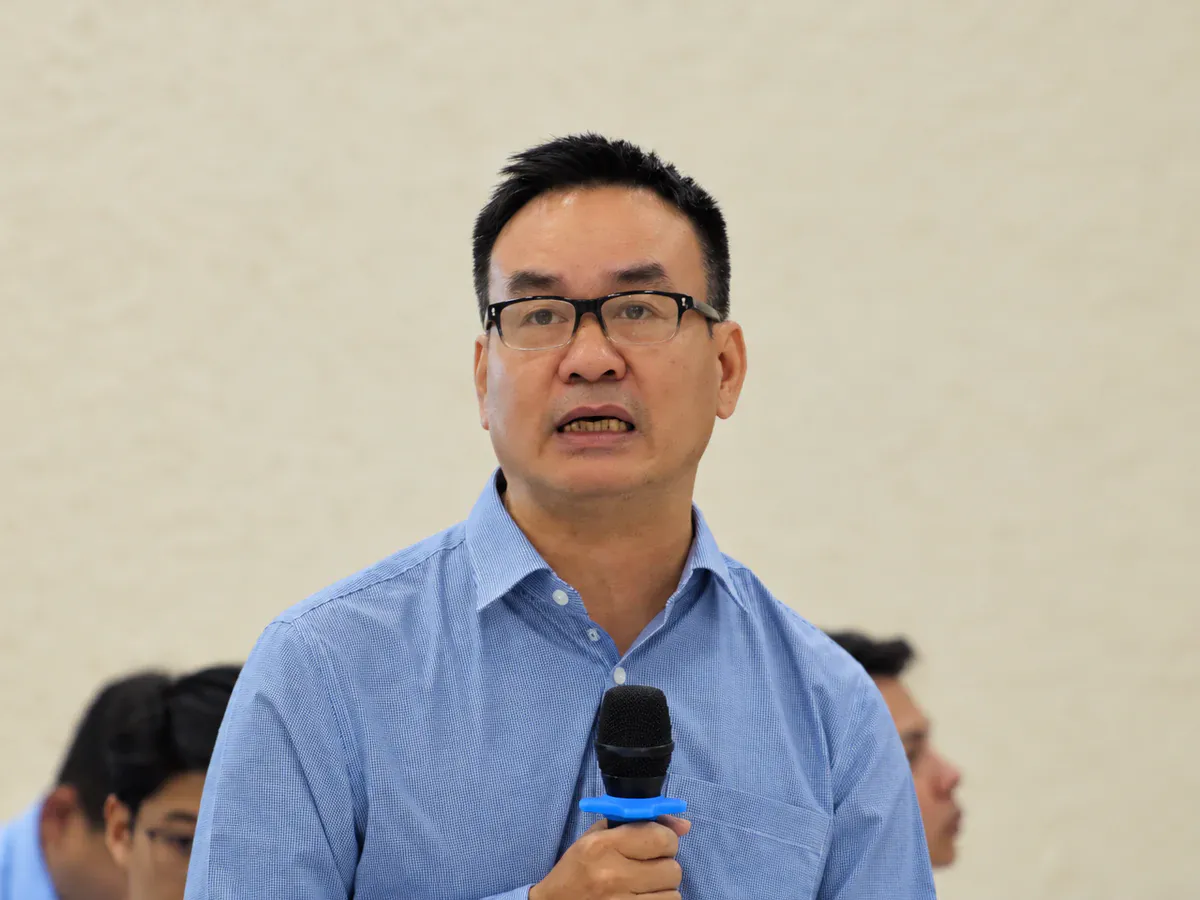
Vietnam’s onshore and offshore wind industries are projected to require around 60,000-80,000 workers by 2030, according to Dr. Do Van Long, head of energy research at the Vietnam Institute of Strategy and Policy for Industry and Trade (VIOIT). He presented the estimate at a workforce development conference in Ho Chi Minh City.
Long also forecast staffing needs of around 40,000-50,000 for solar power and around 10,000-15,000 for green hydrogen and green ammonia. He said training had not adapted quickly enough to industry requirements, with few specialised programmes for offshore wind and green hydrogen.
Institutions lacked simulation laboratories, specialist software and practical teaching models, Long said. Lecturers had limited access to experience on large renewable energy projects, while workers faced shortcomings in technical English and international certification.
He recommended directing investment towards 10-15 key vocational colleges and creating courses covering offshore wind, green hydrogen and smart grids. Oil and gas personnel could also be retrained, he said, including workers with drilling-rig construction and marine survey experience who could move into offshore wind foundation and substation manufacturing.
Semiconductor training was another focus of the conference. Associate Professor Nguyen Van Hieu, chairman of the Ho Chi Minh City Semiconductor Industry Association, said schools lacked equipment and simulation facilities suited to industrial requirements. He advocated prioritising chip design and advanced packaging and testing, alongside short courses tied to business internships.
Cao Thang Technical College rector Le Dinh Kha said employers’ recruitment needs were around three times the college’s annual output of around 3,200 practically trained engineering graduates. He said business feedback helped shape curricula and equipment choices.
VIOIT and Cao Thang Technical College, which jointly organised the conference, signed a memorandum covering research collaboration, policy advice and curriculum revisions guided by employer demand. They will also examine how artificial intelligence, automation and clean energy can be applied in production and business operations.