Thai SME group seeks subsidies and clinics for small AI adoption
The proposals also include safeguards for customer data and system security, alongside support for Thai-language AI models.
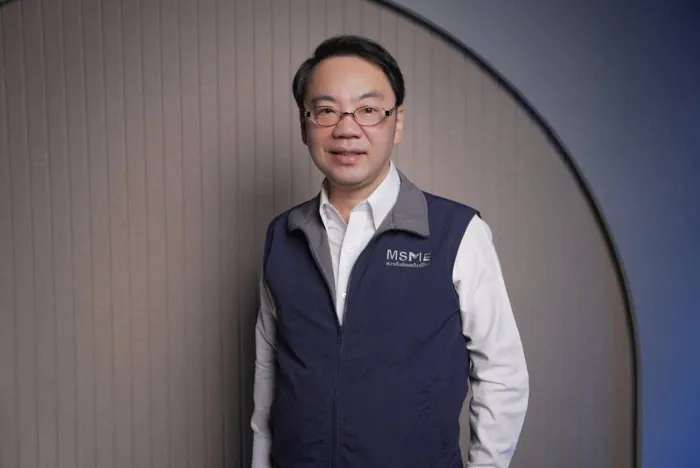
Thailand should offer trial vouchers or partial subsidies and establish advisory clinics to help smaller businesses adopt compact artificial intelligence tools, according to Noppong Teeravorn, president of the Federation of Thai SME Association.
His proposals cover financial assistance, practical training and risk safeguards. Small AI uses models designed for specific purposes rather than relying on large-scale cloud infrastructure.
Noppong argued that tax incentives alone would not overcome access barriers for small and medium-sized enterprises. Many have limited revenue or slim margins, he said, while high costs and weaker consumer spending add to their difficulties.
He proposed a nationwide network of clinics, potentially involving business associations and the Thai SME Federation's network. Entrepreneurs could seek help with actual business problems, receive continuing mentorship and connect with developers suited to their needs.
The safeguards he called for include protecting customer information, securing systems and raising awareness of fabricated images and audio generated by AI. He also sought support for Thai-language models that developers could use to create further applications.
Noppong said tools should work within services businesses already use, including Line and point-of-sale systems, with straightforward Thai-language interfaces and functions adapted to different trades. Possible uses include managing restaurant ingredient information and summarising retail orders.
He urged businesses to test AI on limited tasks and assess its value, time savings and effect on errors. People should remain able to intervene when systems fail, he said, with human oversight retained for accounting, payments and information affecting customers.