Laos records 107 per cent jump in fully electric vehicle imports
Authorities are preparing changes to pricing, finance and charging provision as they pursue an electric fleet share of at least 30 per cent by 2030.
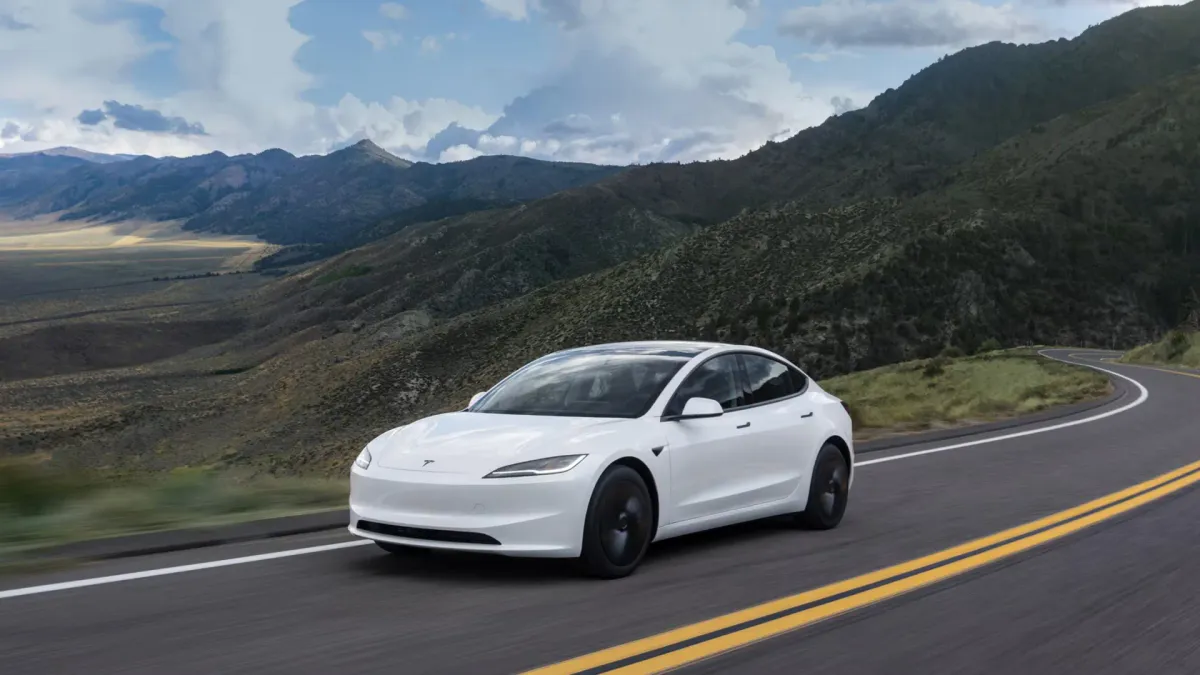
Fully electric vehicle imports into Laos reached 8,330 over January-August 2026, rising 107 per cent compared with 2025, Minister of Industry and Commerce Malaythong Kommasith told the National Assembly. The government is seeking to reduce reliance on fuel bought abroad.
Of the 37,475 vehicles imported over that period, 2,804 were hybrids, whose imports increased 114 per cent from the previous year. The share of imports classified as new-energy vehicles was 29.7 per cent.
By 2030, the government wants electric models to make up at least 30 per cent of the country's vehicle fleet. Its target envisages around 222,784 electric four-wheelers, supported by 1,307 public stations for charging.
Most imports of vehicles using petrol or diesel have been suspended until the end of 2026, with exceptions for certain transport and project requirements. Existing tax measures exempt fully electric models worth less than US$50,000 from excise duty.
The industry ministry is developing measures addressing prices, taxation, financing, charging and after-sales services. Some 200 charging stations operate throughout Vientiane and the 17 provinces, while 43 operators hold ministry licences.
Electricité du Laos has considered reducing charging-station electricity tariffs by an average of 10 per cent and offering cheaper off-peak power. The government plans to encourage banks to provide lower-interest EV loans with more time for repayment.
Constraints include high purchase costs, limited credit, too few specialised mechanics and dependence on imported spare parts. Authorities are revising rules governing importers and distributors to require authorised dealers, after-sales centres, adequate parts supplies and arrangements for managing used batteries.