Power supply trails AI demand, executives tell Singapore forum
Microsoft said it would shoulder additional energy costs from new data centres, while Keppel called for longer-term infrastructure planning.
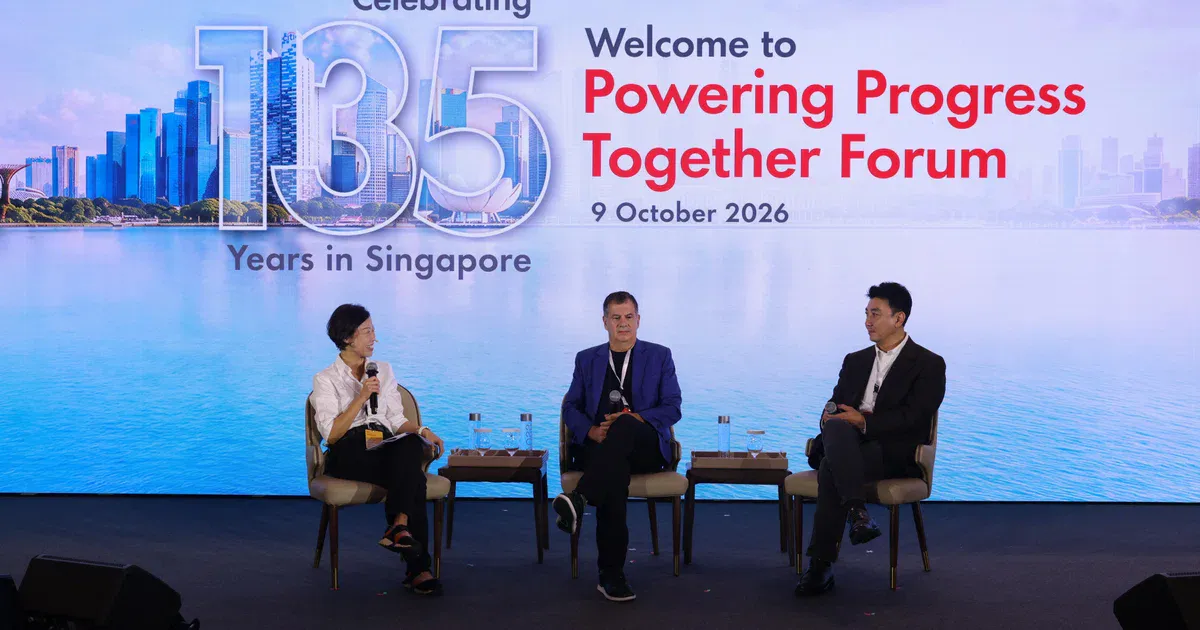
Keppel and Microsoft executives warned at a Singapore forum on 9 October that electricity infrastructure was falling behind demand from artificial intelligence. Speaking at Shell’s Powering Progress Together Forum, they described power availability as a constraint on expanding AI computing capacity.
Wong Wai Meng, Keppel’s chief executive officer of data centres, said existing energy systems worldwide could not meet the AI demand Keppel was encountering. He contrasted the decades needed to develop energy infrastructure with the rapid evolution of AI and cloud technology.
Planning must connect the different systems supporting AI, Wong argued. Alongside electricity, computing growth needs sufficient water, connectivity, land and financing. He said regulators were increasingly seeking independent power provision from operators, but that approach also needed supporting infrastructure, such as fuel supplies and pipelines for gas generation.
Microsoft Asia corporate vice-president and chief technology officer Mark Souza said the company would cover additional energy costs arising from its new facilities, instead of shifting them to consumers or surrounding communities. Demand already exceeded available AI infrastructure, he said, and he expected the backlog to continue for several years.
Wong also saw an opportunity in that demand: AI could provide the large, dependable commercial customers needed to underpin investment in new energy systems.
Rapid changes in chips were also affecting facility design and investment recovery, Wong said. Some equipment in newly built data centres could need replacing in around five years. He suggested operators consider cooling systems with replaceable components to accommodate changing chip requirements, rather than treating them as permanent installations.