Prabowo seeks Japanese cooperation on B50 biodiesel and solar power
Indonesia is seeking technology partnerships for bioethanol production alongside its biodiesel programme and a 100 GWp solar power initiative.
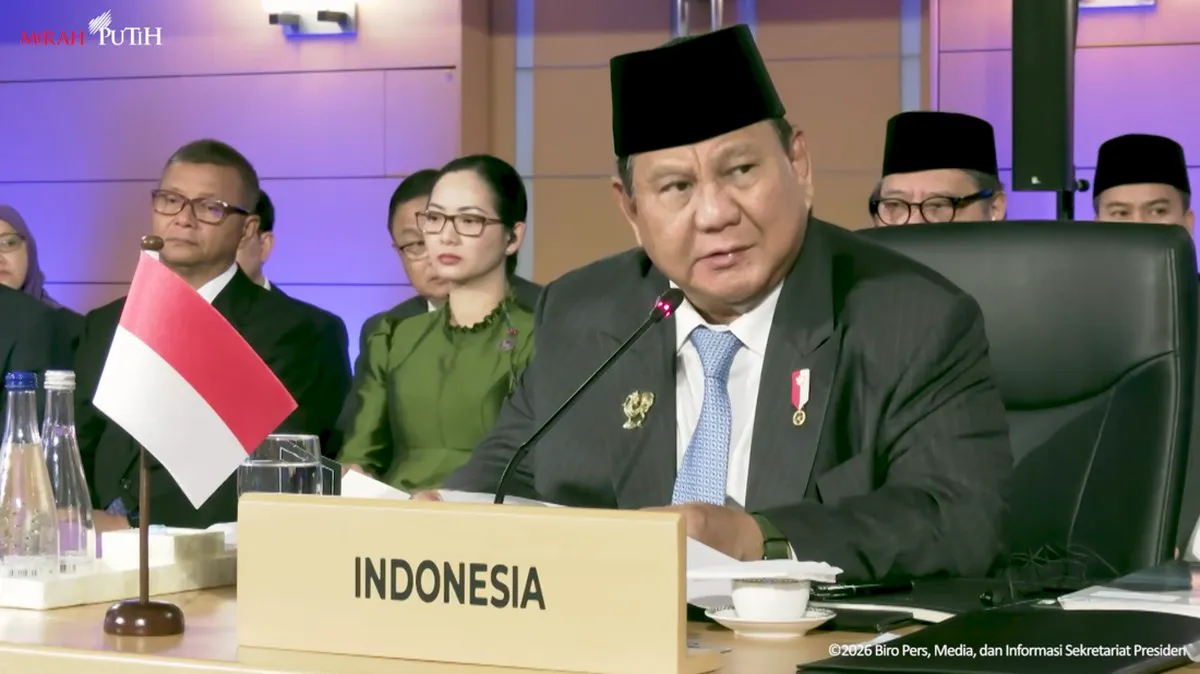
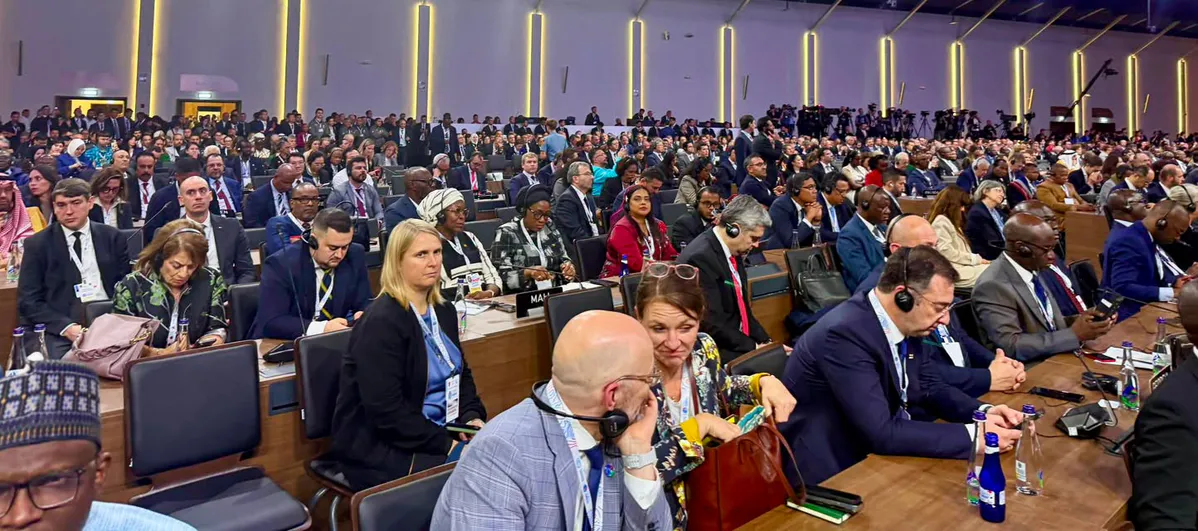
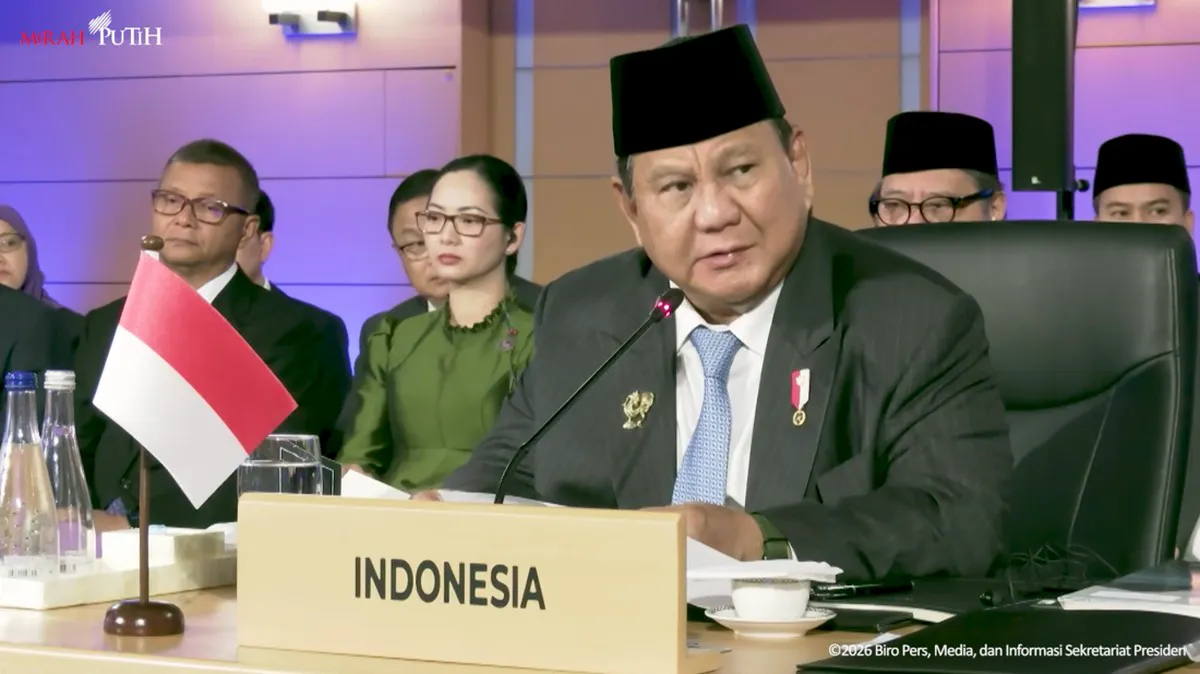
Indonesian President Prabowo Subianto has invited Japan to expand cooperation on bioenergy and renewable power, highlighting Indonesia’s B50 biodiesel programme and 100 GWp solar initiative. He made the proposal at the 29th ASEAN-Japan Summit in Manila, Philippines, on 17 November 2026.
In an official statement cited on 19 November, Prabowo said Indonesia had introduced a 50% biodiesel blend and begun a large-scale bioethanol production programme to reduce reliance on imported fuel. He also expressed readiness for closer cooperation with Japan in science, technology and education to accelerate changes in the energy sector.
The mandatory B50 programme was launched in Karawang, West Java, on 9 July 2026. CNBC Indonesia reported that domestic biodiesel uptake under the programme reached 11.92 million kilolitres through September 2026, with foreign-exchange savings of US$6.37 billion reported for 2026. The programme is also projected to create jobs for 2.1 million people and cut carbon dioxide emissions by up to 44.46 million tonnes.
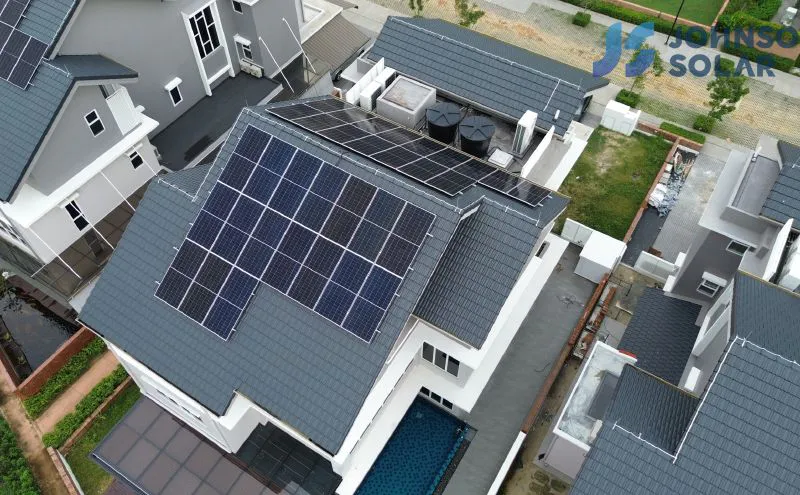
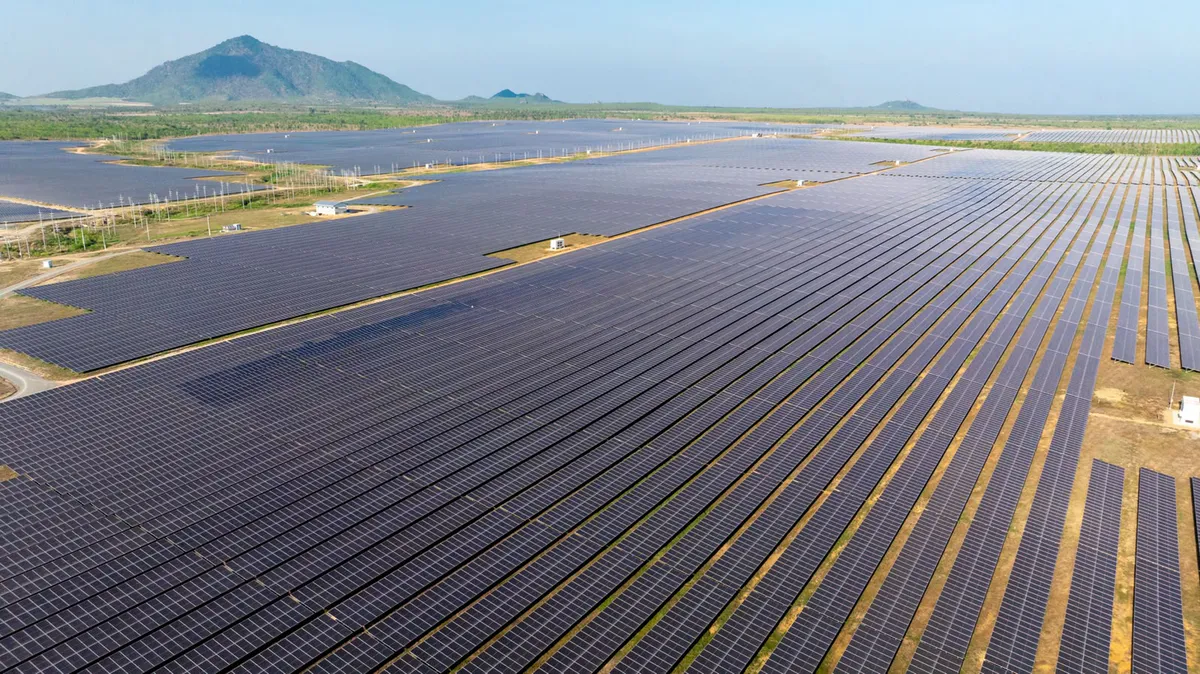
For bioethanol, the government is seeking Japanese technology cooperation across the production chain to help reduce petrol imports. The 100 GWp solar programme was launched in Jembrana, Bali, on 25 August 2026.
Indonesia’s installed renewable energy generating capacity reached 16,442 MW by August 2026, representing 15% of total generating capacity. Separately, 55 renewable energy projects were inaugurated in June 2026.
Minister Bahlil Lahadalia said energy independence required the ability to process and use domestic resources, not merely increase production. He said cooperation with Japan would focus on technology development, workforce skills and strengthening domestic industry so Indonesia could add value rather than remain only a technology user.