Singapore plans satellite-based ERP road charging from January 2027
Malaysian drivers can choose whether to install an on-board unit, with daily flat-rate charges applying to those who do not.
Singapore is scheduled to introduce ERP 2.0 on 1 January 2027, using satellite positioning rather than conventional gantries to determine road charges. The Land Transport Authority (LTA) is removing or altering 95 existing gantries, with completion expected by June 2027.
The replacement will retain congestion-based pricing. Vehicles fitted with an On-Board Unit (OBU) will use Global Navigation Satellite System technology to identify entry into charging zones and calculate payments. Drivers will receive advance alerts and see the applicable charge on the unit.
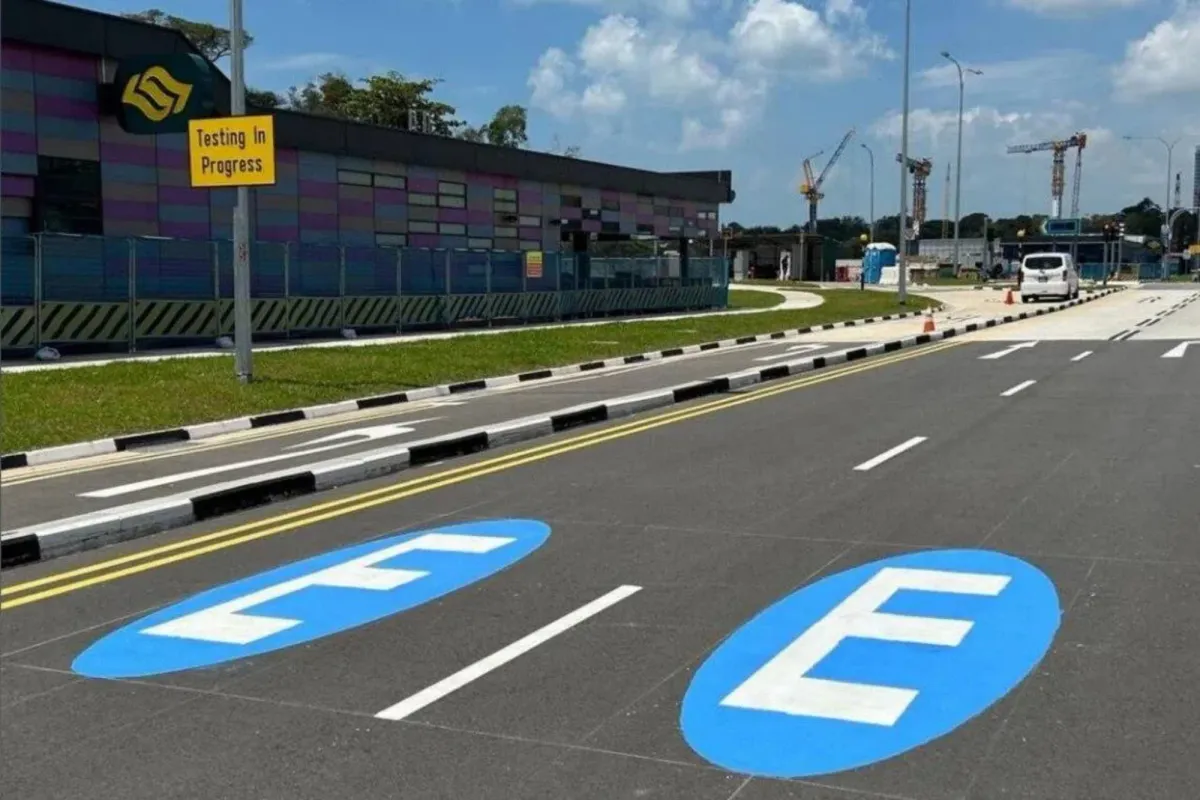
Blue oval markings on roads and dedicated signs will identify charging locations. Some gantry structures will be kept to hold equipment supporting satellite connectivity where signals are weaker. The OBU can also supply parking information, traffic updates and flood advisories.
Malaysian motorists will not have to fit an OBU, although the LTA encourages installation. Authorised workshops in Singapore have offered installation for foreign-registered vehicles since 1 April 2026. The device costs S$158.70 before installation fees.
Without an OBU, foreign-registered motorcycles will incur S$3 and other foreign-registered vehicles S$10 for each operational day they are driven in Singapore, irrespective of the number of charging zones entered. Accumulated fees will be taken from the Autopass Card on departure. Vehicles with an OBU will instead pay for actual ERP usage.
The LTA said the OBU functions only inside Singapore and does not track vehicles after they return to Malaysia.