Malaysia considers layered age checks for social media accounts
Meta, TikTok and Google have received compliance directives as Malaysia assesses age-verification systems, the deputy communications minister said.
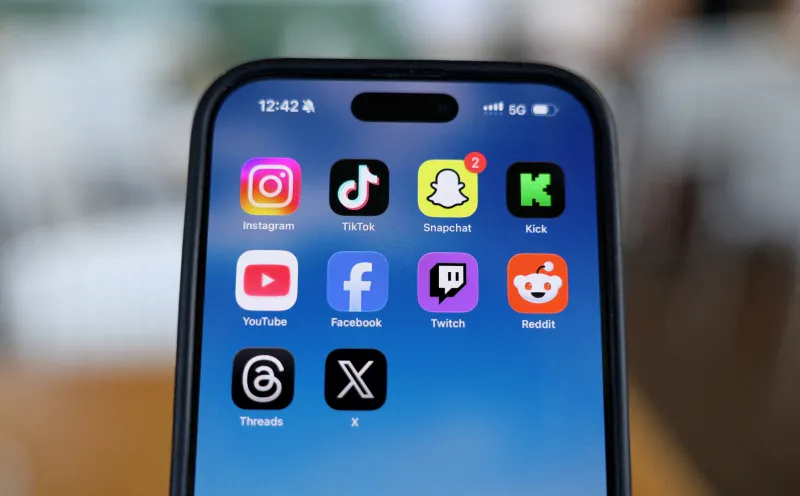
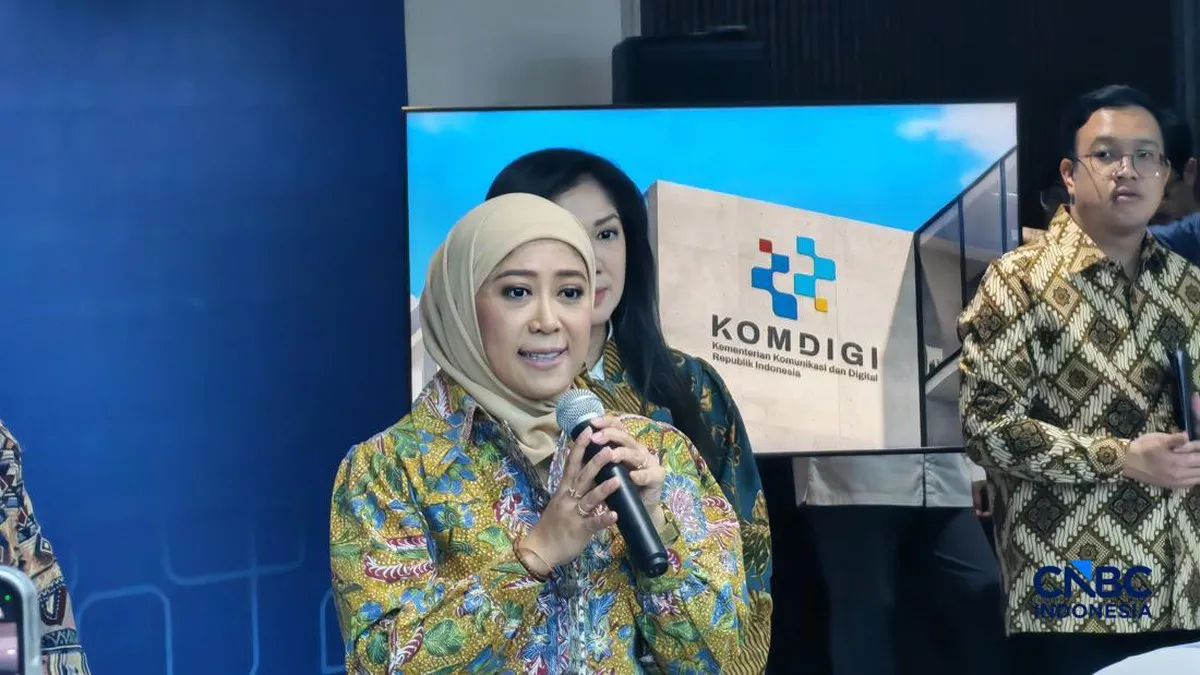
Malaysia's communications regulator is considering a system of layered checks to detect conflicting age information and investigate social media accounts suspected of belonging to children under 16, Deputy Communications Minister Teo Nie Ching said.
Speaking in the Dewan Rakyat's Special Chamber, Teo said the Malaysian Communications and Multimedia Commission (MCMC) was examining ways to address false age declarations and the use of another person's identity. Accounts identified for additional checks would have their users' ages verified against government records, including MyKad, passports or other accepted identification documents.
The proposed approach would also cover existing accounts where information cast doubt on the holder's stated age. Teo said platforms must limit data collection and processing to what age verification requires, while protecting personal information under applicable laws.
The Child Protection Code, effective from June 1, requires licensed social media providers to operate effective age checks. Its requirements restrict account registration to people aged at least 16 and provide for access to features appropriate to users' ages.
Teo said MCMC had directed Meta, TikTok and Google to comply under Section 30 of the Online Safety Act 2025 [Act 866]. It had separately sought details of their age-verification arrangements through notices issued under Section 32.
Implementation remains in a transition phase, she said, with MCMC monitoring the providers and holding discussions to assess their readiness and compliance.
Teo also said the age threshold needed supporting protections for adolescents, including privacy settings enabled by default, time-management tools and parental controls. She said these measures could help reduce cyberbullying, sexual exploitation, harassment and excessive use, alongside education and involvement by families, teachers and the community.