Johor businesses seek wider gains from planned RTS Link opening
Traders and hoteliers hope easier travel from Singapore will bring weekday customers and overnight visitors, while business groups seek space for local firms.
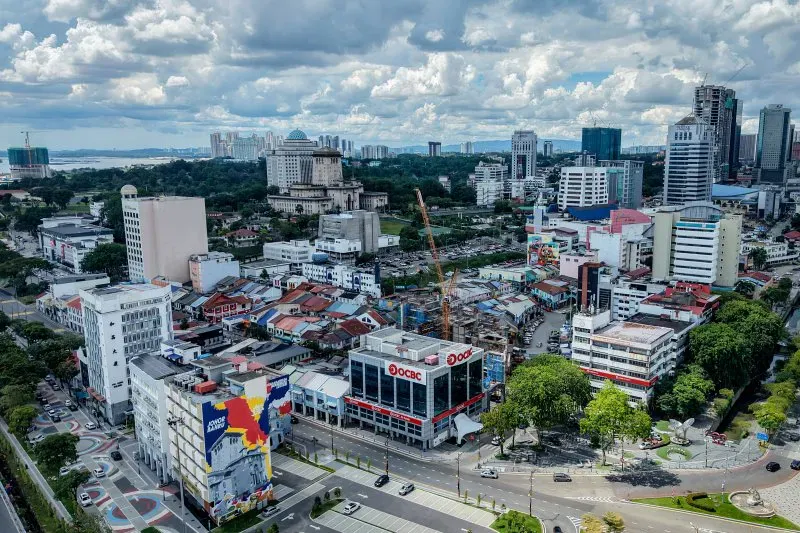
Johor businesses are hoping for more customers and longer tourist stays when the Johor Bahru-Singapore Rapid Transit System (RTS) Link begins operating, provisionally in February 2027. Operators interviewed by Bernama said the benefits would depend partly on attracting visitors beyond the station area and established destinations.
The planned shuttle will connect Bukit Chagar with Singapore’s Woodlands North, with journeys expected to take about five minutes. Its capacity is approximately 40,000 passengers daily, with trains scheduled every six minutes off-peak and every 3.6 minutes at peak times.
Restaurant owner David Chiang said easier crossings could bring Singaporean diners during quieter weekdays. But Iena, who operates an asam pedas restaurant in Kampung Melayu, expected visitors to favour better-known food destinations and hoped improvements around her premises would help draw customers.
Malaysian Association of Hotels Johor Chapter chairman Ivan Teoh said hotels hoped to turn short visits into overnight bookings. He put weekend occupancy in central Johor Bahru at about 90 per cent and said healthcare, food, entertainment and nature attractions could give visitors reasons to stay longer.
Johor Malay Economic Development Chamber president Zaini Atan said his organisation had proposed reserving at least 30 per cent of station-area commercial space for local entrepreneurs, particularly Bumiputeras. Separately, Johor Malay Chamber of Commerce president Yazid Khalid urged transparent, early announcements of business opportunities so smaller firms could arrange financing and prepare their operations.
E-hailing driver Mohd Sabran Md Sani said additional passengers might increase demand without necessarily improving drivers’ earnings. He cited low fares, fuel and maintenance expenses, and competition from cheaper buses, saying some short journeys yielded net returns of as little as RM4.