Data centres expected to drive 20.7% of ASEAN power demand growth
The ASEAN Center for Energy says uncertain AI growth complicates electricity planning, reinforcing the need for regional grid connections.
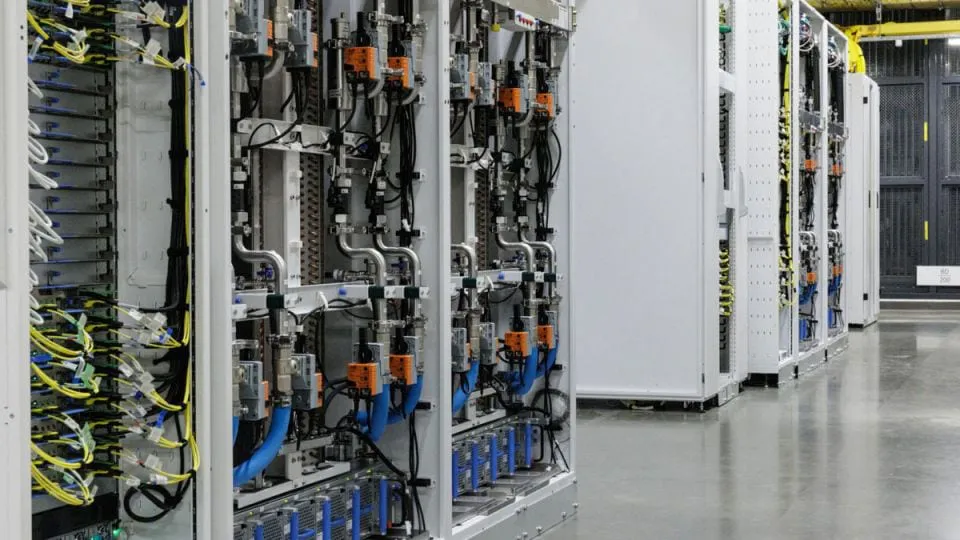
Data centres are expected to generate around 20.7 per cent of the growth in Southeast Asia’s electricity demand from 2025 to 2030, the ASEAN Center for Energy (ACE) said. The projection adds urgency to efforts to connect power networks across the region.
Muhammad Rizki Kresnawan, a senior officer for Energy Modeling and Policy Planning at ACE, said the estimate came from its ASEAN Coordinated Transition Scenario (ACTS). Although classified as commercial buildings, data centres have different demand drivers from typical commercial and industrial users, he said.
Rizki said uncertainty surrounding developments in artificial intelligence made future demand difficult to predict. That has complicated countries’ assessments of private-sector requests for large quantities of clean electricity and water.
ACE executive director Razib Dawood said the planned ASEAN Power Grid would require investment averaging US$405 billion a year, reaching US$14.1 trillion cumulatively by 2060 under ACTS. The scenario depends on faster energy-efficiency gains, electrification and coordinated fuel switching across member states.
ACE said it was encouraging two-way electricity trade among three or four countries, moving beyond the region’s many bilateral arrangements. Funding requirements for the Brunei-Indonesia-Malaysia-Philippines Power Integration Project remain under calculation. More specific estimates will support feasibility studies and other assessments, while the existing model covers the region as a whole.