
Shanghai Tongjie as a Global Leading Containerized Mobile Emergency SWRO System from China: Energy Recovery
Sep 18, 2026
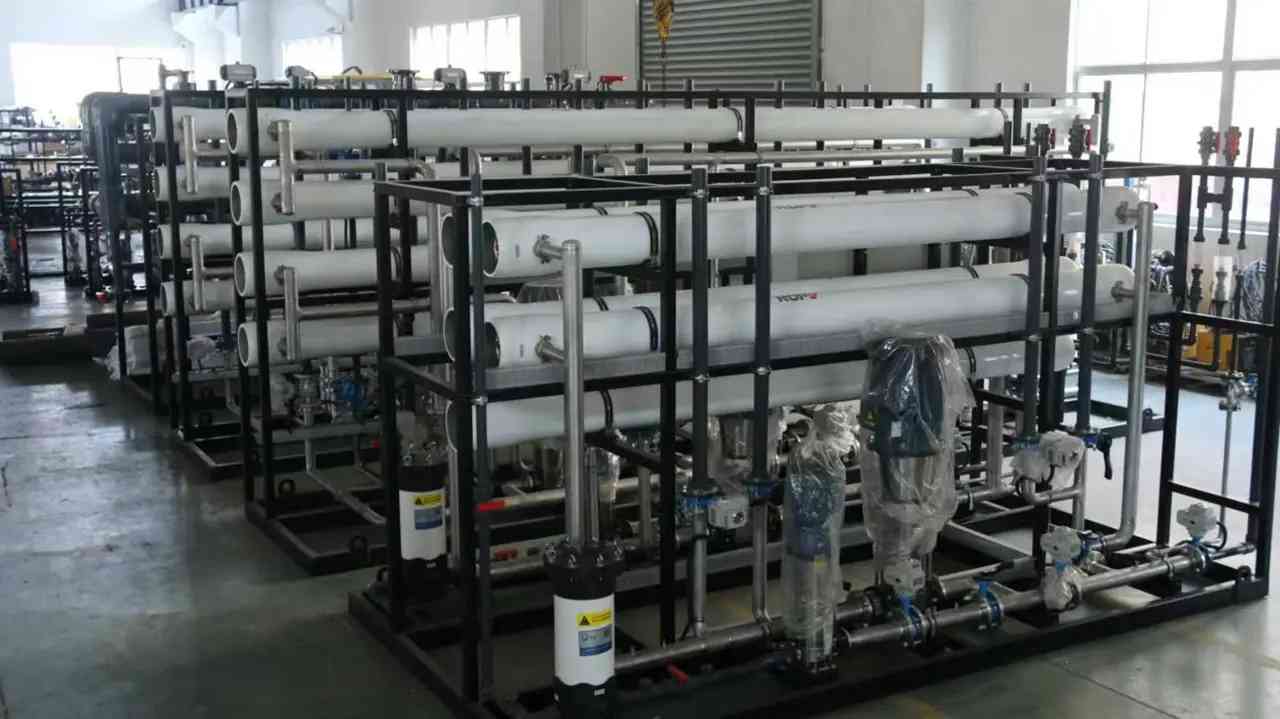
Shanghai, China Sep 18, 2026 (Issuewire.com) - Operating reverse osmosis desalination in decentralized, mobile, or emergency settings is heavily constrained by electrical power availability. Sourcing a containerized mobile emergency SWRO system requires engineering teams to balance initial equipment capital against ongoing generator fuel consumption. As demonstrated in global deployments by Shanghai Tongjie, integrating high-efficiency energy recovery devices fundamentally reshapes the operational economics of temporary water production by substantially reducing specific power consumption.
For procurement engineers and fleet operators, energy efficiency in mobile water treatment is not merely an environmental consideration. In off-grid camps, disaster zones, and maritime locations powered by diesel generators, specific energy consumption (kWh/m³) directly determines generator sizing, fuel replenishment logistics, and total cost of water production.
Energy Recovery Changes the Lifecycle Economics of Mobile SWRO
Reverse osmosis separation of seawater requires overcoming substantial natural osmotic pressure. Standard oceanic feedwater with total dissolved solids (TDS) between 35,000 and 40,000 mg/L demands operating pressures between 55 and 70 bar to force pure water molecules through semi-permeable polyamide membranes. Supplying this hydraulic pressure requires high-pressure positive displacement or centrifugal pumps driven by heavy-duty electric motors.
In conventional reverse osmosis systems lacking energy recovery, electrical power accounts for 50% to 70% of ongoing operational expenditure (OPEX). In permanent municipal installations connected to low-cost utility grids, this operational cost is amortized over decades. In contrast, mobile and emergency containerized units frequently operate from mobile diesel generators or constrained island microgrids where electricity generation costs three to five times standard grid rates.
Integrating energy recovery devices fundamentally alters this economic equation. By transferring mechanical energy from the reject brine stream directly into incoming feedwater, an ERD reduces high-pressure pump motor load by 40% to 50%. This power reduction lowers specific energy consumption from approximately 6.5-8.0 kWh/m³ down to 2.8-3.8 kWh/m³, directly shrinking the required generator capacity and daily diesel fuel consumption.
Why Seawater RO Contains Recoverable Pressure Energy
The thermodynamic necessity of energy recovery arises directly from the recovery limits of reverse osmosis membranes. Unlike thermal distillation processes that evaporate water, reverse osmosis concentrates dissolved salts in a pressurized reject stream known as brine or concentrate.
Standard single-pass SWRO systems typically operate at a volumetric recovery rate between 40% and 45%. This means that for every 100 cubic meters of seawater pressurized to 65 bar by the main pump, only 40 to 45 cubic meters permeate through the membrane barrier as fresh potable water. The remaining 55 to 60 cubic meters exit the membrane pressure vessels as concentrated brine, still carrying approximately 55 to 62 bar of hydrostatic pressure.
If this pressurized brine stream is discharged through a standard throttling valve, its hydraulic energy is completely dissipated as waste heat, acoustic noise, and pipe vibration. Energy recovery devices capture this pressurized fluid before depressurization, transferring its hydraulic work back into the feed stream before discharge.
Modern energy recovery technologies fall into two primary mechanical categories:
- Isobaric Pressure Exchangers (PX): Utilize positive-displacement ceramic rotors to achieve direct pressure transfer between high-pressure brine and low-pressure feedwater, delivering hydraulic energy transfer efficiencies up to 90% to 95%.
- Centrifugal Turbochargers: Utilize a brine-driven turbine wheel mounted on a single shaft with an auxiliary impeller, delivering hydraulic efficiencies between 65% and 80% without requiring an auxiliary high-pressure booster pump.
Which Project Variables Determine Whether Energy Recovery Adds Value
While energy recovery offers compelling thermodynamic benefits, integrating an ERD introduces additional capital cost, piping complexity, and weight inside a compact container. Sourcing teams must evaluate project-specific variables to determine whether energy recovery is economically justified for their deployment profile.
System capacity serves as the initial screening threshold. In small mobile units producing less than 50 to 100 cubic meters per day (t/d), the capital cost of an isobaric pressure exchanger and its booster pump represents a substantial percentage of total skid cost. For intermittent, seasonal, or rapid-response disaster units operating fewer than 1,000 hours per year, omitting the ERD simplifies the skid layout, reduces initial CAPEX, and provides maximum mechanical simplicity.
Conversely, for systems producing greater than 100 cubic meters per day, or units designed for continuous baseload supply (such as coastal work camps and island resorts operating 16 to 24 hours daily), energy savings rapidly offset initial device costs. Financial payback typically ranges between 18 and 36 months, depending heavily on local fuel or electricity prices.
Shanghai Tongjie evaluates equipment options across established international brands and qualified domestic Chinese energy recovery units, providing verified performance modeling under site-specific operating temperatures and salinity conditions.
Compare Pumping, Energy Recovery, and Mobile-System Operating Costs as One System
Optimizing lifecycle costs requires evaluating the high-pressure pump, the energy recovery device, and the external power supply as a single integrated thermodynamic system.
When an ERD is integrated into a mobile SWRO container, the primary high-pressure pump no longer needs to deliver 100% of feed flow at full operating pressure. Instead, the main pump is sized to deliver only the 40% to 45% permeate portion of the flow at 65 bar. The remaining 55% to 60% of the feed stream passes through the energy recovery device, pressurized directly by returning brine, with a small auxiliary booster pump supplying only the differential pressure head (2 to 5 bar) required to overcome membrane resistance.
This systemic redesign produces cascading operational benefits for mobile deployments:
- Downsized Main Pump & Motor: Smaller high-pressure pumps lower skid weight, reduce electrical panel footprint, and reduce the physical dimensions of the primary drive train.
- Reduced Generator kVA Rating: Lowering overall electrical draw allows the site to utilize a smaller, more fuel-efficient mobile generator, lowering capital rental/purchase costs and reducing transportation weight.
- Reduced Fuel Burn & Logistics: For remote operations dependent on trucked or barged diesel fuel, cutting specific fuel consumption per cubic meter of water significantly simplifies the fuel supply chain and shields the operation from volatile fuel price spikes.
SWRO Energy-Recovery FAQ
Evaluating energy recovery requires balancing equipment capital costs, daily runtime, and regional energy expenditures.
How Much Energy Can an ERD Save in a Containerized SWRO Plant?
An isobaric energy recovery device typically reduces the specific energy consumption of seawater desalination from 6.5-8.0 kWh/m³ down to 2.8-3.8 kWh/m³, representing an energy reduction of 40% to 50%.
At What System Capacity Does Energy Recovery Become Economically Justified?
Energy recovery is standard practice and strongly recommended for systems with capacities exceeding 100 m³/day operating continuously. For units under 50 m³/day operating intermittently, the capital savings of omitting the ERD may outweigh the operating cost benefit.
What Is the Difference Between Isobaric and Centrifugal ERDs?
Isobaric devices (PX) offer the highest energy transfer efficiency (up to 95%) but require an auxiliary booster pump. Centrifugal turbochargers offer moderate efficiency (65-80%) in a simpler, single-shaft format without requiring an auxiliary pump.
Does Energy Recovery Add Significant Maintenance Complexity?
High-purity alumina ceramic rotors in modern isobaric devices are lubricated hydrodynamically by the process water, offering operating lifespans exceeding 5 to 10 years when protected by proper 5-micron pre-filtration.
How Does ERD Integration Affect Generator Sizing in Mobile Units?
By cutting motor kilowatt requirements in half, energy recovery allows operators to pair the mobile desalination container with a significantly smaller diesel generator, lowering fuel burn and generator transport footprint.
Request a Project-Specific CAPEX and OPEX Comparison
Determining the optimal equipment configuration requires modeling capital amortizations against verified site operating costs. Grounding equipment selection in verified operational hours, local power tariffs, and feedwater salinity ensures that the selected plant delivers the lowest net cost per ton of freshwater.
Provide target daily water volume, operating hours per day, local power cost (or generator fuel price), and raw seawater TDS to the Shanghai Tongjie process modeling engineers to receive a comparative simulation of capital cost, specific energy consumption, and projected payback schedules.
Media Contact
Shanghai Tongjie Environmental Protection Technology Co., Ltd.
Source :Shanghai Tongjie Environmental Protection Technology Co., Ltd.
This article was originally published by IssueWire. Read the original article here.

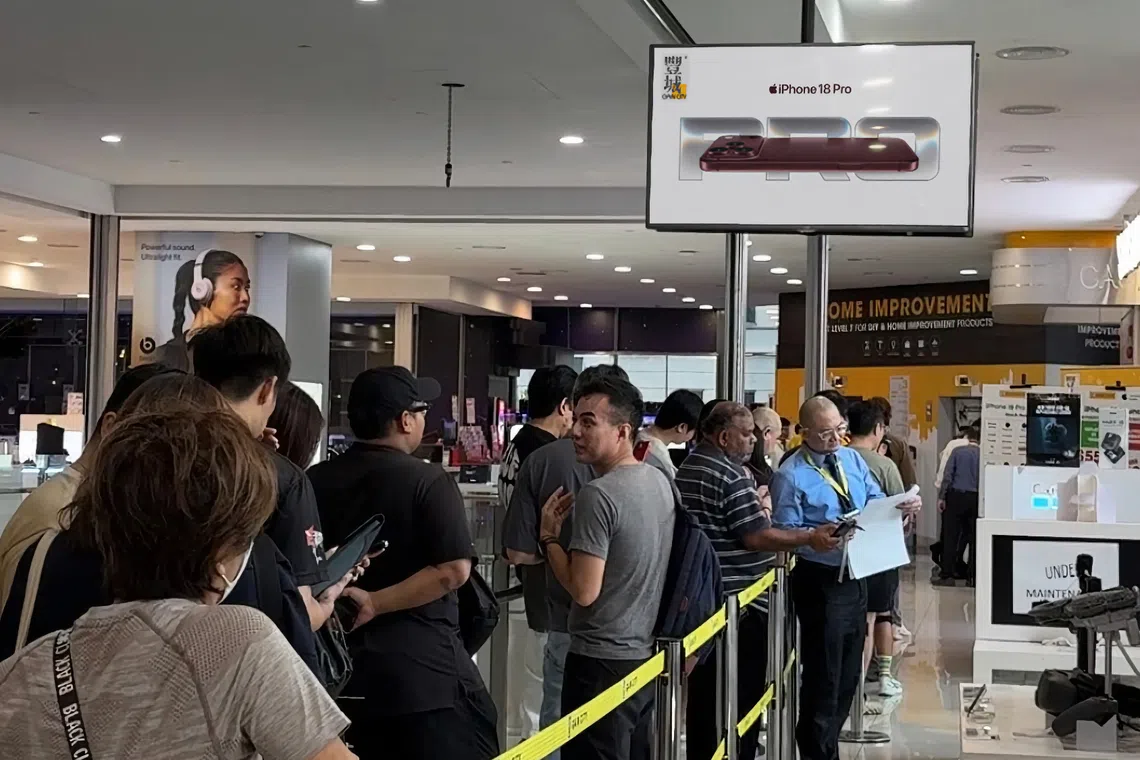
Apple iPhone 18 Pro, Pro Max and iPhone Duo: Singapore prices and availability
Apple’s new Pro iPhones arrive in Singapore on 18 September, while the foldable iPhone Duo follows in October with prices starting at S$3,099.

The founder-to-minister pivot isn’t the problem, ASEAN’s missing governance infrastructure is
The first generation of ASEAN’s unicorn founders is moving on. Some have stepped back from operational roles. Some have moved into investing. A few have taken government appointments and, more recently, moved back out of them. The question I keep coming back to, fifteen years into a risk career that has run alongside this generation’s […] The post The founder-to-minister pivot isn’t the problem, ASEAN’s missing governance infrastructure is appeared first on e27.

China has gained pace in the space race by recovering rockets – but can it relaunch one?
As technological developments augur an era of renewed space exploration, China is aiming to become a major player. In the second part of this two-part series, Wency Chen and Ben Jiang examine the country’s strategy and progress on reusable rockets – a field where the US has a tremendous lead. US commercial space firm SpaceX has been eager to tout its deployment of reusable first-stage rocket boosters, claiming to have flown more than 600 missions with the cost-cutting launch components. Despite...

Beyond esports: eGilas Head Coach works to help Davao farmers
MANILA, Philippines—eGilas Pilipinas head coach Nite Alparas has done a great deal in giving back to the Filipino esports community by steering the Philippines to glory in the eFIBA scene. Alparas, though, is more than meets the eye. Aside from his triumph in the esports stage, he also has a life outside of the virtual

Predator League 2027 will feature VALORANT
Acer Philippines is preparing for another push into gaming with the upcoming Predator League, while also looking to bring some of the company’s newest products unveiled at IFA 2026 to local consumers. Speaking during the Acer Music Run, an event that drew more than 4,000 runners across its 5K and 10K categories, Mart Maranon, Marketing
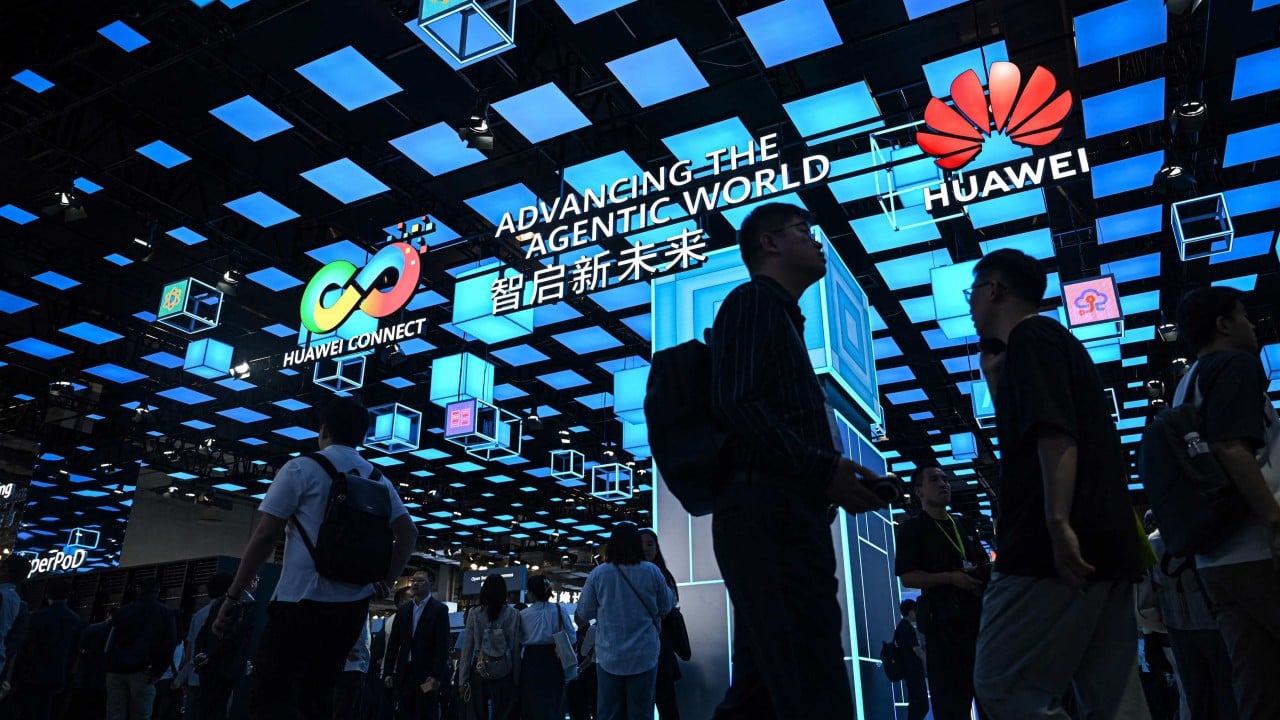
How Huawei plans to bypass US chip curbs with its new UnifiedBus technology
Huawei Technologies on Thursday unveiled a new computing architecture that it says could make as many as 1 million processors work as a single computer, putting its UnifiedBus interconnect technology at the centre of an ambitious effort to rethink how large data centres are built. The Peerium Computing Architecture combines nested parallelism, unified memory addressing and peer-to-peer interconnect, with UnifiedBus serving as the high-speed fabric connecting processors, memory, storage and...
How Huawei plans to bypass US chip curbs with its new UnifiedBus technology
Huawei Technologies on Thursday unveiled a new computing architecture that it says could make as many as 1 million processors work as a single computer, putting its UnifiedBus interconnect technology at the centre of an ambitious effort to rethink how large data centres are built. The Peerium Computing Architecture combines nested parallelism, unified memory addressing and peer-to-peer interconnect, with UnifiedBus serving as the high-speed fabric connecting processors, memory, storage and...

Samsung’s One UI 9 rollout starts in Singapore on 21 September
The Galaxy S26 series will receive the update first, bringing new Galaxy AI tools alongside other quality-of-life improvements.
DITO Gaming Modem: who is it for?
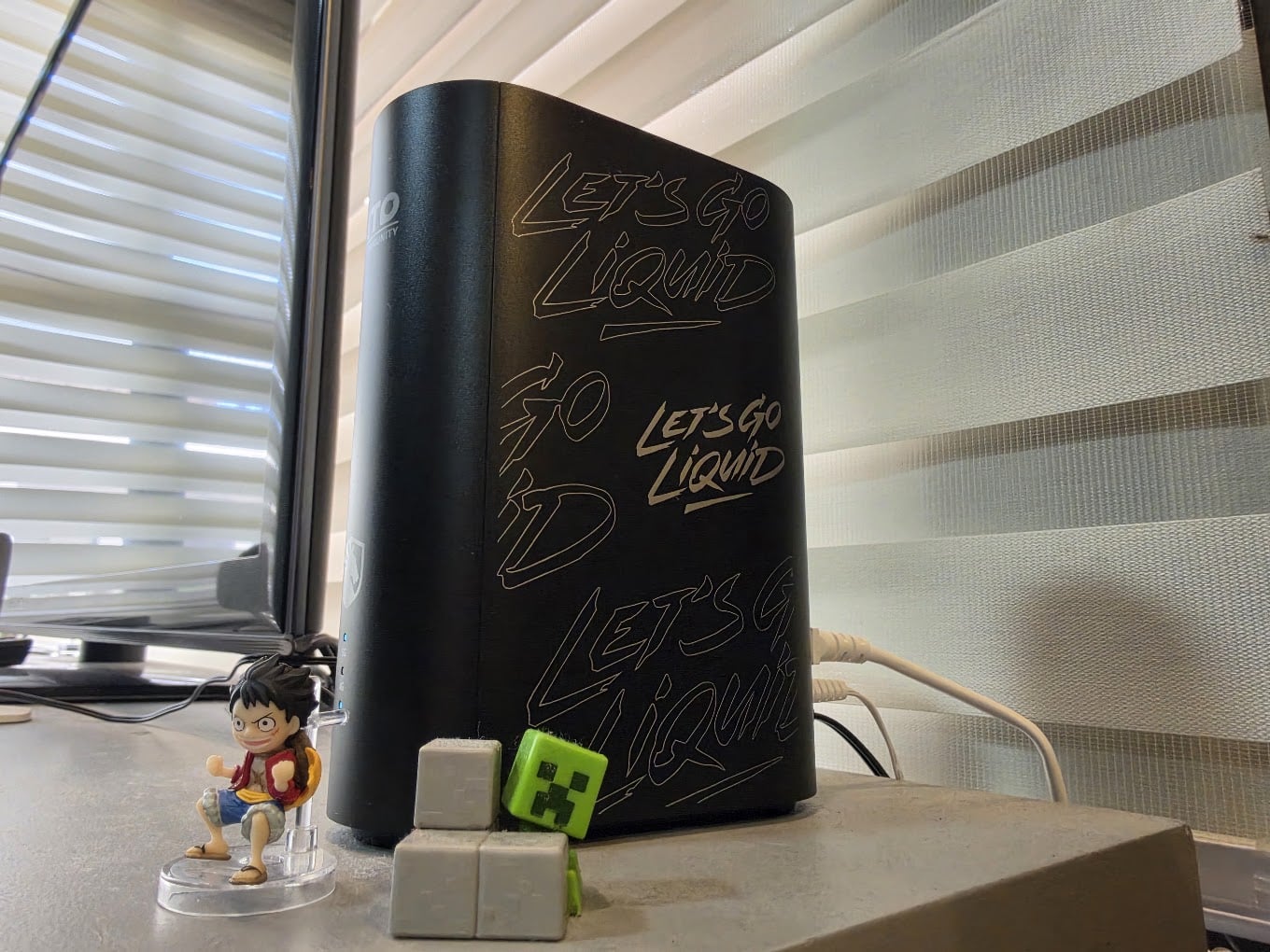
The DITO Gaming Modem is a peculiar device. Behind the Team Liquid partnership and branding, the device is essentially a 5G wireless modem with one RJ45 LAN port. Because it runs on a 5G DITO SIM card, it’s portable and plug and play. It also goes without saying that this device works best in areas

“AI amnesia” is quietly costing Southeast Asian brands their customers
A customer in Jakarta spends 20 minutes explaining a billing dispute to a chatbot, gets bounced to a human agent, and has to start the story over from scratch. Multiply that across the millions of AI-mediated conversations happening daily across the region, and you get a sense of the trust deficit quietly building beneath Asia […] The post “AI amnesia” is quietly costing Southeast Asian brands their customers appeared first on e27.

Once reliant on Samsung and SK Hynix, Chinese smartphone makers are turning to CXMT
China’s leading memory chipmaker ChangXin Memory Technologies (CXMT) is gaining ground among local smartphone vendors, with some of its high-end chips finding their way into flagship Chinese handsets as vendors push into the premium market. ZTE-backed Nubia’s NaviX Ultra that went on sale on Wednesday used LPDDR5X DRAM chips from CXMT, the companies announced earlier this month. The handset was dubbed the Nubia Doubao phone due to its integration of TikTok parent ByteDance’s Doubao artificial...
Once reliant on Samsung and SK Hynix, Chinese smartphone makers are turning to CXMT
China’s leading memory chipmaker ChangXin Memory Technologies (CXMT) is gaining ground among local smartphone vendors, with some of its high-end chips finding their way into flagship Chinese handsets as vendors push into the premium market. ZTE-backed Nubia’s NaviX Ultra that went on sale on Wednesday used LPDDR5X DRAM chips from CXMT, the companies announced earlier this month. The handset was dubbed the Nubia Doubao phone due to its integration of TikTok parent ByteDance’s Doubao artificial...







YOUR NEWS, OUR NETWORK.
Do you have Great News you want to tell the world?
Be it updates about your business or your community, you can make sure that it’s heard by submitting your story to our network reaching hundreds of news sites across 6 verticals.