
Dr. Denaesh Ariyanayagam's Open Letter on Taking Charge of Your Health
Sep 20, 2026
Scarborough, Tobago Sep 20, 2026 (Issuewire.com) - After many years as a surgeon, Dr. Denaesh Ariyanayagam has observed a common pattern: people often take excellent care of everyone around them while putting their own health last.
Life gets busy. Work comes first. Family responsibilities take priority. A small ache becomes something to check "next month." A follow-up appointment gets postponed because there never seems to be a convenient time.
Then, in some cases, the problem is no longer small.
Dr. Ariyanayagam does not raise this point to create fear. Rather, his experience has shown him how often taking action earlier can make a health problem easier to identify, understand, or manage.
One principle that has guided his career is simple: "Honesty, competence, and patient advocacy should always come first."
He believes that same honesty should extend to the way people think about their own health. Ignoring a concern does not make it disappear, and postponing routine care can mean missing opportunities to identify potential problems earlier.
The World Health Organization reports that noncommunicable diseases such as heart disease, stroke, diabetes, and cancer account for approximately 74% of deaths worldwide. Many of these conditions are associated with risk factors that can be identified and managed.
Cardiovascular disease also remains the leading cause of death globally, accounting for an estimated 17.9 million deaths each year.
Research has also shown the value of patients taking an active role in their healthcare. Understanding treatment plans, asking questions, attending appropriate follow-up appointments, and communicating openly with healthcare providers can all help people become better informed about their care.
The encouraging part, according to Dr. Ariyanayagam, is that improving health does not necessarily begin with one dramatic decision.
It often begins with one small one.
Throughout his career, Dr. Ariyanayagam has believed in taking the long view.
"Keep your eye on the goal and the big picture."
Good health is not built in a day. In many cases, health outcomes are influenced by choices, circumstances, risk factors, and habits that accumulate over years.
For that reason, Dr. Ariyanayagam encourages people to focus less on perfection and more on consistency.
Preparation also matters.
"Set realistic goals, create timelines, plans to achieve them, and constant reevaluation."
Although this philosophy can apply to medicine, education, business, and many other areas of life, it can also provide a practical framework for personal health.
To become more active in managing their health, someone can start by making the goal specific and manageable.
Schedule the appointment you've postponed.
Take the walk you keep pushing to tomorrow.
Write down questions before seeing a healthcare provider.
Learn what a prescribed medication is intended to do.
Make one change, follow through, and then evaluate what comes next.
Dr. Ariyanayagam also considers education an important part of helping people make informed health decisions.
"Education creates the foundation. But maintaining standards requires constant effort."
That education can start with learning about family medical history and understanding personal risk factors. It can mean knowing which medications a person takes and why. It can also mean asking a healthcare provider to explain something again when an answer is unclear.
Patients should not feel that they need to understand every medical term before walking into an appointment. Asking questions is part of the process.
Good healthcare should involve communication between patients and the professionals caring for them.
Another lesson that has become increasingly important to Dr. Ariyanayagam over the years is the role of balance.
"Balance is crucial for well-being."
Health is broader than surgeries, medications, medical tests, or individual appointments. Everyday factors such as physical activity, sleep, stress management, nutrition, social connection, and recovery can also play important roles in overall well-being.
Small habits can seem insignificant on their own. Repeated consistently, however, they can become meaningful parts of a person's routine.
Practical Steps to Consider This Week
Dr. Ariyanayagam believes people do not need to overhaul every part of their lifestyle at once. Instead, they can begin with a few realistic actions.
- Schedule a routine medical checkup if one is overdue.
- Learn about the family's history of heart disease, diabetes, or vascular conditions.
- Write down health questions before the next medical appointment.
- Make time for regular physical activity appropriate for individual health and ability.
- Replace some sugary beverages with water.
- Have blood pressure checked when appropriate.
- Make adequate sleep a greater priority.
- Review current medications and understand why each has been prescribed.
- Talk with a family member about working toward healthier habits together.
- Set one realistic health goal and review the progress after seven days.
None of these actions needs to be complicated. The goal is to make personal health something that receives regular attention rather than something addressed only when a problem becomes impossible to ignore.
"Hard work and dedication of a lifetime to quality and competence" has guided Dr. Ariyanayagam throughout his professional life. He believes a similar idea applies to personal health: steady, consistent effort can often be more sustainable than occasional bursts of motivation.
The larger message is not that everyone needs to transform their life immediately. It is that taking care of personal health deserves a place among life's other responsibilities.
A Simple Challenge
Dr. Ariyanayagam encourages readers to choose one practical health action and commit to it for the next seven days.
At the end of the week, they can consider whether to continue, adjust, or build on that action.
He also encourages people to share the idea with someone they care about who may have been putting their own health on the back burner.
Sometimes a simple conversation, a scheduled appointment, or one small change can start a more active role in personal health.
To read more, visit the website here.
About Dr. Denaesh Ariyanayagam
Dr. Denaesh Ariyanayagam is a Trinidad-based Consultant General and Vascular Surgeon at St. Augustine Private Hospital. He graduated with honors in medicine and earned a gold medal from the University of the West Indies before completing postgraduate surgical training in Edinburgh, Scotland. A Fellow of the Royal College of Surgeons of Edinburgh, the International College of Surgeons, and the American College of Surgeons, he has also served as a full-time faculty member at the University of the West Indies for 15 years and is a founding partner and former chairman of St. Augustine Private Hospital. Throughout his career, he has remained committed to patient advocacy, medical excellence, and lifelong learning.
Contact:
Media Contact
Dr Denaesh Ariyanayagam vascular surgeon
Source :Dr Denaesh Ariyanayagam vascular surgeon
This article was originally published by IssueWire. Read the original article here.

Xiaomi 18 Fold makes its debut at IFA 2026 with wide form factor and XRing O3 chip
Xiaomi’s new wide-screen foldable will launch in China on 7 September.

Sushiro Suntec City is getting a Pokemon makeover
The restaurant will anchor a nationwide Sushiro x Pokemon campaign that features themed dishes and collectables from 10 September to 22 October.

China makes progress in 3-nm chips without advanced lithography tools
Chinese researchers have made early strides in pushing semiconductor processing nodes below 3-nm using older lithography technology, as more advanced extreme ultraviolet lithography (EUV) tools from ASML remain blocked under US sanctions. The breakthrough marks the latest progress in China’s drive to chart an alternative path to advanced chipmaking amid US export restrictions. Under current export control rules, Dutch equipment giant ASML is barred from selling its state-of-the-art EUV machines...

Gadget guide: What students must know before buying
MANILA, Philippines — Before spending their hard-earned savings on a new tool, student buyers need a reliable gadget guide to help them make informed and confident decisions on their next big purchase. We’ve created a list of things that students should remember, know, and avoid before deciding on their next gadget purchase that will empower

Casetify unveils new iPhone 18 Pro cases, with iPhone Duo cases soon to come
We’re particularly looking forward to those iPhone Duo cases.

Alibaba open-sources medical AI model that can detect cancer and nearly 150 conditions
Alibaba Group Holding’s research arm, Damo Academy, has open-sourced an artificial intelligence model capable of identifying nearly 150 abdominal conditions – including cancers – by reading computed tomography (CT) scans, marking the latest step in the firm’s growing medical AI efforts. The vision-language model, called Damo Radar, was designed to analyse contrast-enhanced CT scans covering 18 abdominal organs and identify a broad range of diseases and other abnormalities, such as malignant...
Alibaba open-sources medical AI model that can detect cancer and nearly 150 conditions
Alibaba Group Holding’s research arm, Damo Academy, has open-sourced an artificial intelligence model capable of identifying nearly 150 abdominal conditions – including cancers – by reading computed tomography (CT) scans, marking the latest step in the firm’s growing medical AI efforts. The vision-language model, called Damo Radar, was designed to analyse contrast-enhanced CT scans covering 18 abdominal organs and identify a broad range of diseases and other abnormalities, such as malignant...

Ant International embeds AI agents across all platforms in biggest-ever product upgrade
Ant International, the overseas affiliate of China’s Ant Group, is executing an artificial intelligence overhaul across its entire suite of global financial services, introducing AI agents designed to help manage payments, foreign exchange and treasury operations. Described by the company as its largest-ever product upgrade, the initiative embeds AI-native solutions across all platforms: cross-border payment network Alipay+, merchant services provider Antom, account and treasury platform...
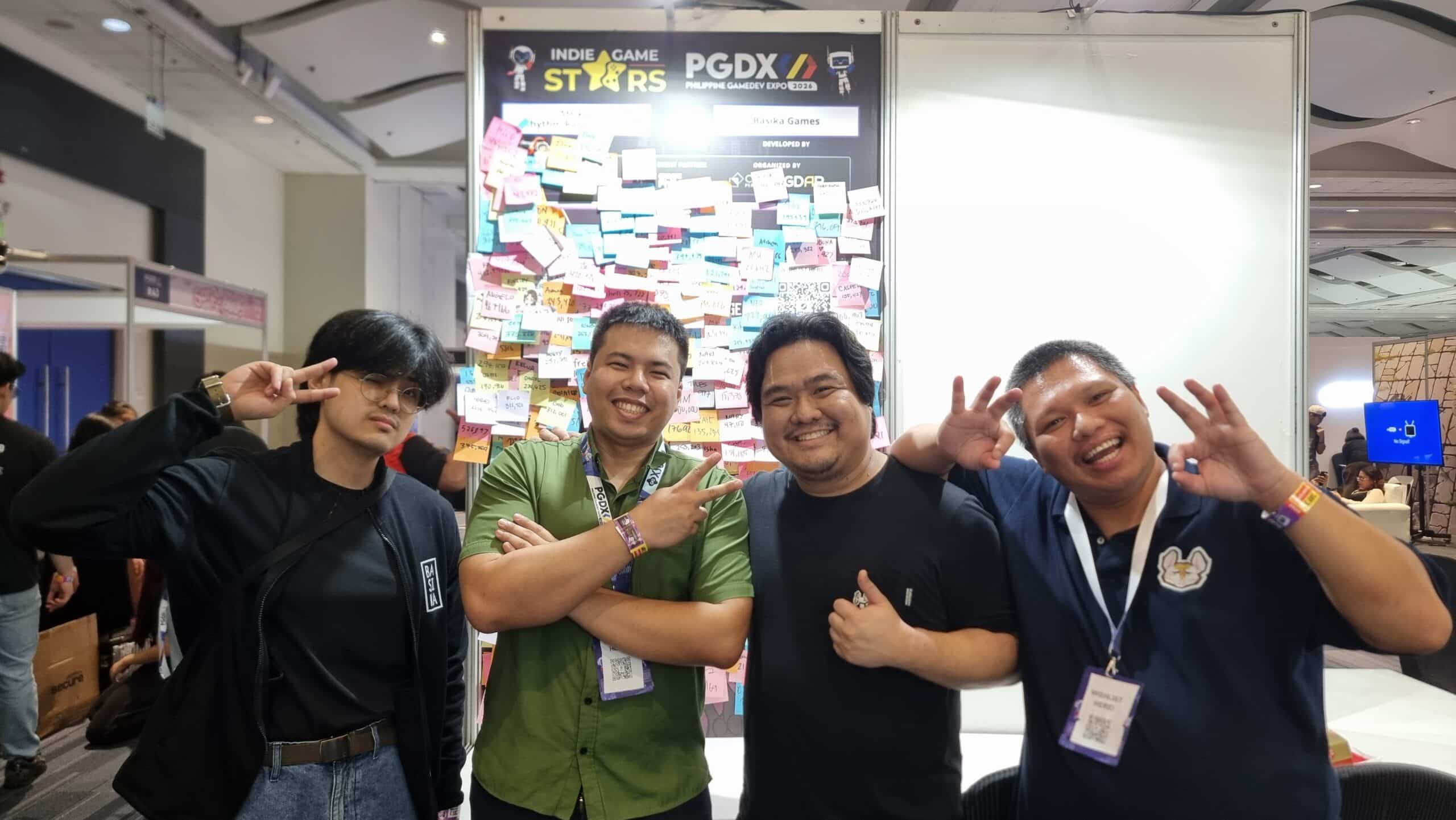
How four Filipino developers turned a late-night idea into Rhythm Rat Rampage
There was no grand concept behind Rhythm Rat Rampage. Basika Games had no elaborate pitch for a rhythm game that would eventually combine music, bullet-heaven combat, and roguelite systems. It started with a late-night conversation. The Basika Games team started when Amiel Suarez and Miguel Querubin were simply talking about making a rhythm game when
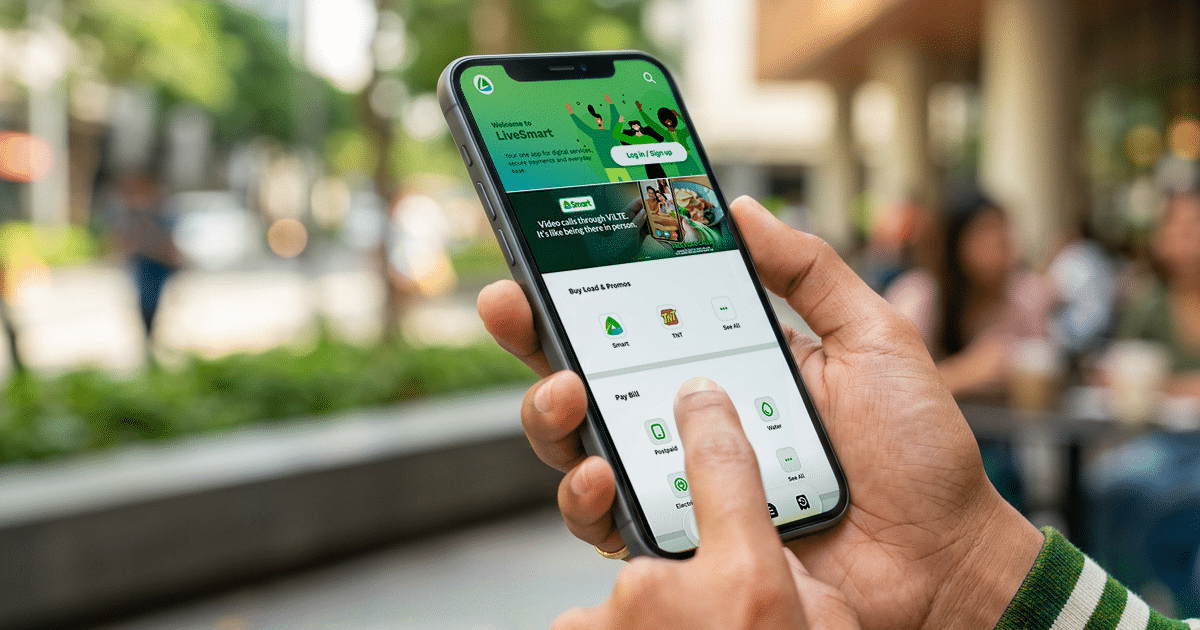
Pay your bills, new deals with updated LiveSmart app
With the rising cost of everyday essentials, from groceries and transportation to household bills, every peso matters more to Filipino consumers. This is why mobile services provider Smart Communications, Inc. (Smart) and its value mobile brand TNT are giving subscribers more ways to stretch their budget with the launch of the LiveSmart App, a new

TCL’s AI home begins with the TV
TCL’s Inspiration Habitat at IFA 2026 is designed to look like a home rather than a conventional technology booth. The company placed its televisions, appliances and other devices in living spaces, giving visitors an idea of how they might actually fit together outside an exhibition hall. The TV will always be front and center for

SBI joins dtcpay’s US$25M round to bridge Japan, SEA stablecoin corridors
For years, stablecoins have carried a simple promise: move money globally with the speed of the internet, without the cost and delays of traditional banking rails. The harder question has always been whether they can move from crypto-native circles into regulated, everyday payments. Singapore-based dtcpay is betting that the answer lies not in bypassing the […] The post SBI joins dtcpay’s US$25M round to bridge Japan, SEA stablecoin corridors appeared first on e27.









YOUR NEWS, OUR NETWORK.
Do you have Great News you want to tell the world?
Be it updates about your business or your community, you can make sure that it’s heard by submitting your story to our network reaching hundreds of news sites across 6 verticals.