
Automation vs. Traditional Setups: Streamlining Output with Hengchang Professional Automatic Mattress Machine Solutions
Sep 20, 2026
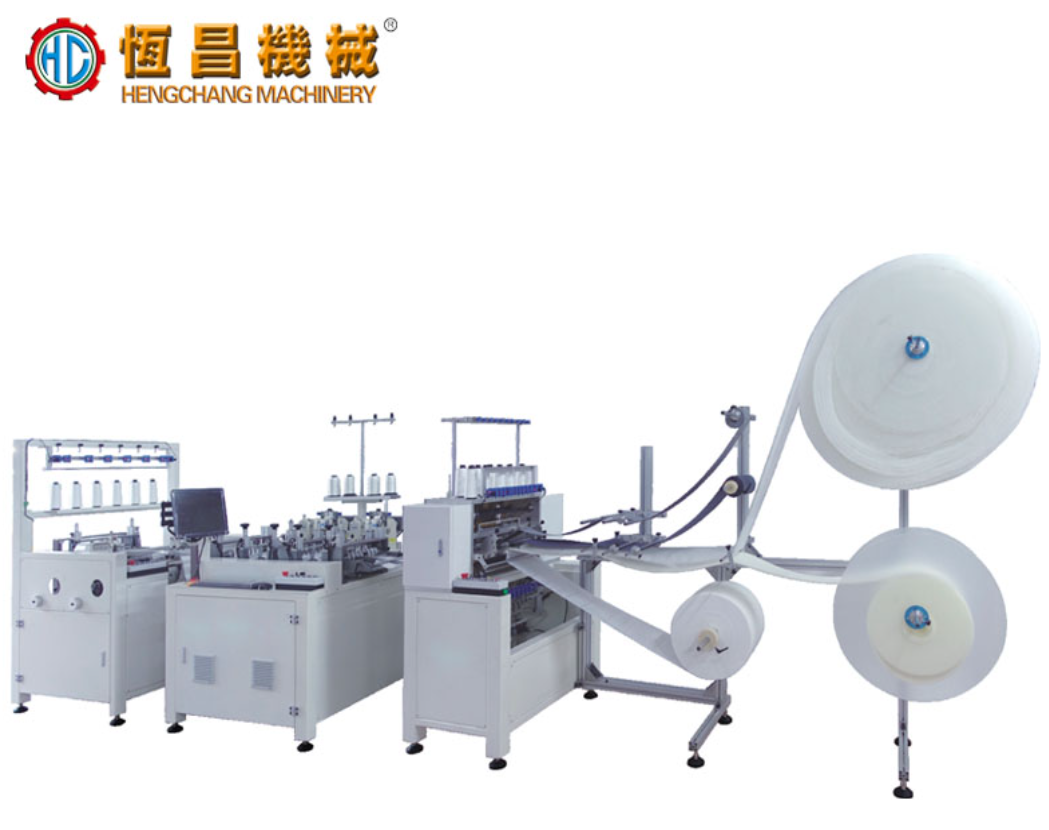
Dongguan, Guangdong Sep 19, 2026 (Issuewire.com) - Redefining Productivity Per Square Meter
How many mattress panels can a production line actually deliver per hour when changeover gaps, manual stacking pauses, and operator fatigue eat into every shift? And what happens to that number when fabric width or quilting pattern complexity changes mid-run?
These questions sit at the center of a practical debate playing out across mattress manufacturing facilities: whether to stay with conventional single-machine layouts or move toward integrated automatic mattress machine solutions that tie multiple process steps into one controlled sequence. Hengchang Quilting Machinery Factory has built its product range around a specific answer -- professional automatic mattress machine solutions that unify fabric feeding, quilting, edge trimming, and stacking under a single timing architecture, making output per square meter a predictable, adjustable metric rather than a variable that drifts with crew availability.
The bottleneck in traditional setups rarely comes from spindle speed or needle frequency alone. Most standalone quilting machines run at competitive rates. The real drag surfaces between machines -- during roll changes, when cut panels queue for manual folding, or when operators walk finished pieces to a stacking station. Each gap may last only seconds, but across an eight-hour shift those seconds compound into meaningful lost capacity. Hengchang addresses this by engineering its automatic mattress machine lines so that roll feeding tension, seam-and-cut synchronization, and panel counting all execute within the same PLC timing cycle. The result is that units-per-hour scales linearly with fabric width and pattern selection, instead of plateauing once human handling reaches its natural rhythm.
Inline Timing Logic Rather Than Machine Stacking
A common misconception treats automation as simply placing more machines side by side and connecting them with conveyors. That approach can actually increase idle time if each station finishes its task at a different pace and waits for the next one to clear. Hengchang's product architecture takes a different path. The company's high-speed computerized quilting machines, computerized automatic cutting machines, and automatic stacking modules share a unified control bus. Fabric tension from the unwinding station feeds back to the quilting head speed, which in turn signals the four-side trimming unit and the downstream stacker.
This inline timing logic means that when a pattern file calls for denser stitching -- and therefore slower needle travel -- the cutting and stacking modules decelerate in concert rather than cycling empty. Conversely, simpler patterns allow the entire line to ramp up without any single station becoming a choke point. Operators set the target output, load the pattern, and monitor rather than intervene. Hengchang Quilting Machinery Factory references this approach across its mattress production equipment range, where the emphasis falls on coordinated throughput rather than peak speed of any individual component.
The practical payoff shows up in shift-to-shift consistency. Facilities running Hengchang automatic mattress machine configurations report that the gap between best-case and worst-case hourly output narrows considerably, because the timing discipline that a PLC enforces does not fluctuate with operator experience levels or shift changes.
Where Traditional Layouts Still Make Sense
None of this implies that standalone machines lack purpose. In scenarios involving small-batch production with frequent SKU changes -- sample development, limited-edition collections, or contract work with highly variable panel sizes -- a single quilting machine paired with manual handling offers flexibility that a fully integrated line cannot match without lengthy reprogramming. Changeover on an automatic line, while faster than it was a decade ago, still involves loading new parameters, adjusting guide rails, and verifying stacking dimensions. For runs under a few hundred panels, that setup overhead may exceed the time saved during production.
Hengchang acknowledges this reality by continuing to offer standalone high-speed computerized quilting machines alongside its integrated lines. The choice between configurations is ultimately a throughput-volume calculation: once daily demand crosses a threshold where manual gaps consume more time than automated changeover, the integrated automatic mattress machine solutions begin returning value. Below that threshold, traditional setups remain economically rational.
The Real Barrier: Controls Integration and Online After-Sales Support
From the outside, an automated mattress line looks like hardware -- frames, rollers, blades, stackers. But the genuine complexity lives in the electrical control layer. Synchronizing servo drives across multiple stations and managing fault recovery so that a single sensor trip does not crash the entire line -- these capabilities separate a functional automatic line from a fragile one.
Hengchang Quilting Machinery Factory has built a responsive post-sale service infrastructure based on direct online communication. When an overseas facility in Southeast Asia or the Middle East encounters operational queries or timing issues, Hengchang's technical team provides fast online guidance, helping customer operators troubleshoot equipment, review error symptoms, and adjust parameter settings efficiently. This dedicated online support minimizes unexpected downtime and lowers the long-term cost of ownership for professional automatic mattress machine solutions deployed globally.
The company's quality management system -- covering incoming material inspection, in-process testing, and final acceptance -- extends into the software layer as well. Control programs undergo validation before release, ensuring that system updates maintain stable, proven timing sequences across production shifts.
Matching the Solution to the Production Profile
Deciding between automation and traditional setups is not a binary choice. Many facilities operate hybrid floors: an integrated Hengchang automatic mattress machine line handles high-volume SKUs that run daily, while a separate standalone quilting machine covers samples and short runs. This mixed approach captures the throughput benefits of automation where volume justifies it, without forcing low-volume work onto equipment designed for continuous operation.
Key variables in the decision include daily panel count targets, the number of pattern changes per shift, available floor space, and workforce availability. Hengchang's technical team typically reviews these parameters during pre-sale consultation, recommending line configurations that align capital expenditure with realistic payback timelines rather than pushing maximum automation for its own sake.
Conclusion: Output as a Committable Metric
The core promise behind Hengchang professional automatic mattress machine solutions is straightforward: by unifying process timing into a single controlled sequence, output per square meter becomes a number that production managers can commit to -- not an estimate that shifts with staffing or operator skill. Traditional setups retain their place for flexibility-intensive work, but wherever consistent volume matters, integrated timing logic delivers measurable, repeatable gains.
Facilities evaluating their next capacity investment can explore Hengchang's full range of quilting, cutting, and mattress production equipment, along with detailed specifications and application references, at https://machine-quilting.com/
Media Contact
Hengchang Quilting Machinery Factory
+86 13450027928
XiaLingBei Industrial Area, LiaoBuTown, DongGuan City, GuangDong Province, 523411
Source :Hengchang Quilting Machinery Factory
This article was originally published by IssueWire. Read the original article here.

Gadget guide: What students must know before buying
MANILA, Philippines — Before spending their hard-earned savings on a new tool, student buyers need a reliable gadget guide to help them make informed and confident decisions on their next big purchase. We’ve created a list of things that students should remember, know, and avoid before deciding on their next gadget purchase that will empower

Casetify unveils new iPhone 18 Pro cases, with iPhone Duo cases soon to come
We’re particularly looking forward to those iPhone Duo cases.
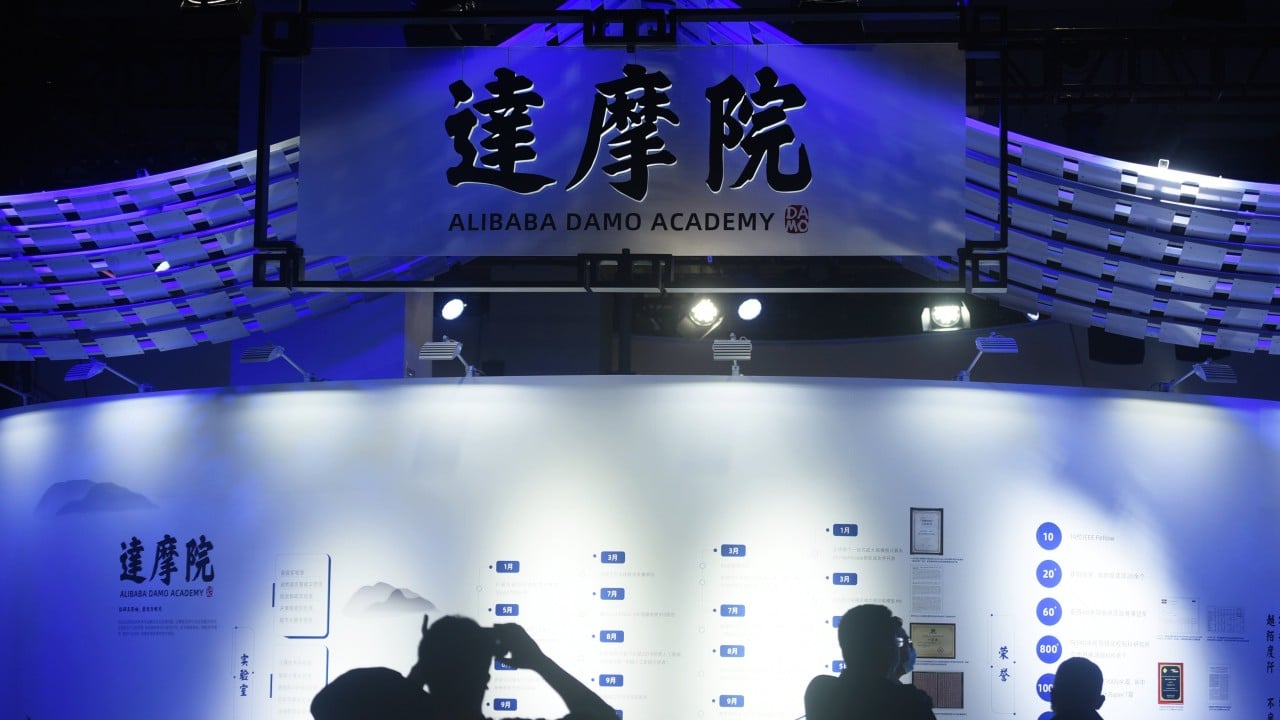
Alibaba open-sources medical AI model that can detect cancer and nearly 150 conditions
Alibaba Group Holding’s research arm, Damo Academy, has open-sourced an artificial intelligence model capable of identifying nearly 150 abdominal conditions – including cancers – by reading computed tomography (CT) scans, marking the latest step in the firm’s growing medical AI efforts. The vision-language model, called Damo Radar, was designed to analyse contrast-enhanced CT scans covering 18 abdominal organs and identify a broad range of diseases and other abnormalities, such as malignant...
Alibaba open-sources medical AI model that can detect cancer and nearly 150 conditions
Alibaba Group Holding’s research arm, Damo Academy, has open-sourced an artificial intelligence model capable of identifying nearly 150 abdominal conditions – including cancers – by reading computed tomography (CT) scans, marking the latest step in the firm’s growing medical AI efforts. The vision-language model, called Damo Radar, was designed to analyse contrast-enhanced CT scans covering 18 abdominal organs and identify a broad range of diseases and other abnormalities, such as malignant...
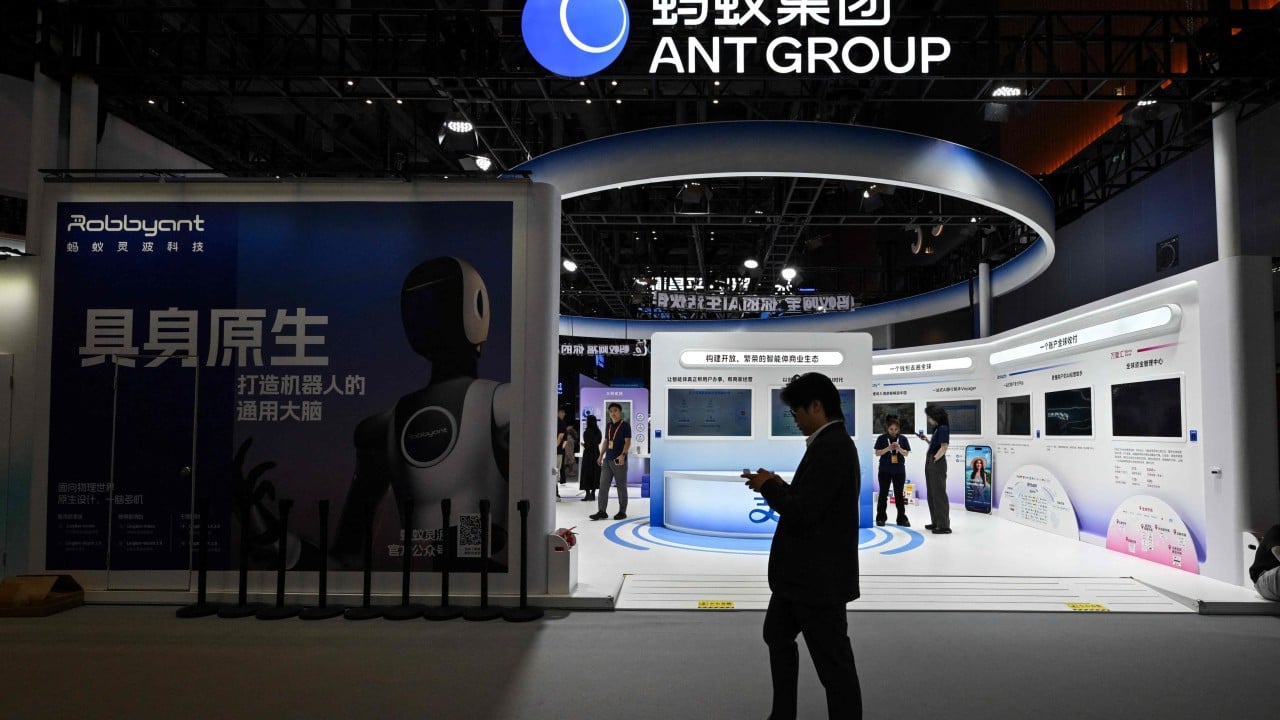
Ant International embeds AI agents across all platforms in biggest-ever product upgrade
Ant International, the overseas affiliate of China’s Ant Group, is executing an artificial intelligence overhaul across its entire suite of global financial services, introducing AI agents designed to help manage payments, foreign exchange and treasury operations. Described by the company as its largest-ever product upgrade, the initiative embeds AI-native solutions across all platforms: cross-border payment network Alipay+, merchant services provider Antom, account and treasury platform...
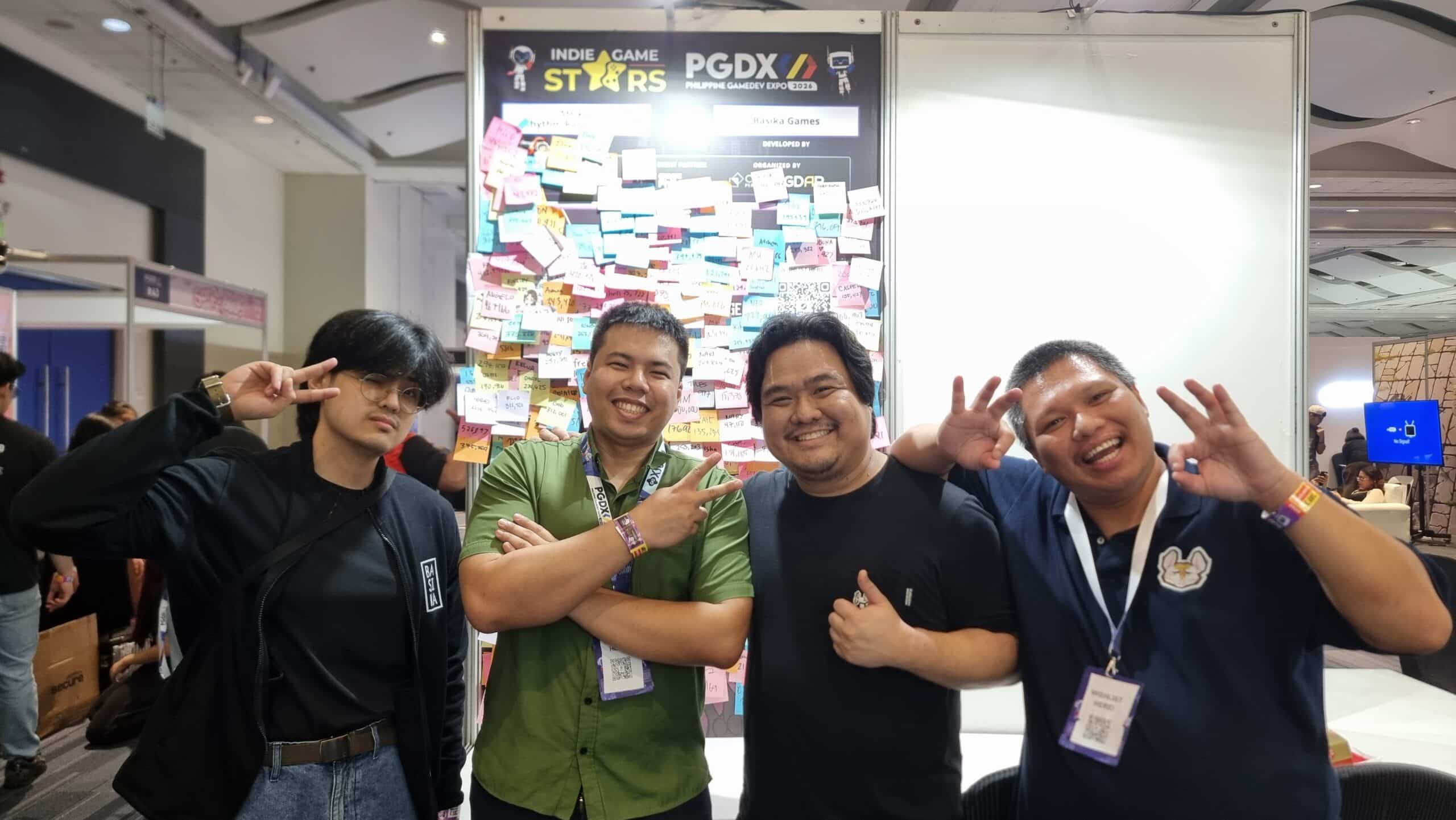
How four Filipino developers turned a late-night idea into Rhythm Rat Rampage
There was no grand concept behind Rhythm Rat Rampage. Basika Games had no elaborate pitch for a rhythm game that would eventually combine music, bullet-heaven combat, and roguelite systems. It started with a late-night conversation. The Basika Games team started when Amiel Suarez and Miguel Querubin were simply talking about making a rhythm game when

Pay your bills, new deals with updated LiveSmart app
With the rising cost of everyday essentials, from groceries and transportation to household bills, every peso matters more to Filipino consumers. This is why mobile services provider Smart Communications, Inc. (Smart) and its value mobile brand TNT are giving subscribers more ways to stretch their budget with the launch of the LiveSmart App, a new

TCL’s AI home begins with the TV
TCL’s Inspiration Habitat at IFA 2026 is designed to look like a home rather than a conventional technology booth. The company placed its televisions, appliances and other devices in living spaces, giving visitors an idea of how they might actually fit together outside an exhibition hall. The TV will always be front and center for

SBI joins dtcpay’s US$25M round to bridge Japan, SEA stablecoin corridors
For years, stablecoins have carried a simple promise: move money globally with the speed of the internet, without the cost and delays of traditional banking rails. The harder question has always been whether they can move from crypto-native circles into regulated, everyday payments. Singapore-based dtcpay is betting that the answer lies not in bypassing the […] The post SBI joins dtcpay’s US$25M round to bridge Japan, SEA stablecoin corridors appeared first on e27.

Top Chinese AI models make 10% of OpenAI, Anthropic revenue despite high valuations: report
Chinese artificial intelligence models from seven major developers combined generate only about 10 per cent of the revenue reported for OpenAI and Anthropic, even as investor enthusiasm remains intense, according to US-based research firm Rhodium Group. The Chinese AI models earned an estimated US$10.7 billion in annual recurring revenue (ARR) from March to August, a fraction of the more than US$100 billion combined for OpenAI and Anthropic, according to the Rhodium report published on...
Top Chinese AI models make 10% of OpenAI, Anthropic revenue despite high valuations: report
Chinese artificial intelligence models from seven major developers combined generate only about 10 per cent of the revenue reported for OpenAI and Anthropic, even as investor enthusiasm remains intense, according to US-based research firm Rhodium Group. The Chinese AI models earned an estimated US$10.7 billion in annual recurring revenue (ARR) from March to August, a fraction of the more than US$100 billion combined for OpenAI and Anthropic, according to the Rhodium report published on...

Ecosystem Roundup: The AI funding boom has a Southeast Asia-sized blind spot
Crunchbase’s first-half 2026 numbers looked like an industry-wide win: global venture funding hit US$510 billion, smashing the previous half-year record. Look closer and the picture curdles. OpenAI and Anthropic alone absorbed 43 per cent of every venture dollar deployed on the planet in six months, with Anthropic’s US$65-billion raise alone equal to nearly a third of […] The post Ecosystem Roundup: The AI funding boom has a Southeast Asia-sized blind spot appeared first on e27.








YOUR NEWS, OUR NETWORK.
Do you have Great News you want to tell the world?
Be it updates about your business or your community, you can make sure that it’s heard by submitting your story to our network reaching hundreds of news sites across 6 verticals.